
Natural hair is a spectrum of textures, from sleek to voluminous, coily to wavy. This year, the focus is on cuts that enhance natural form and movement, think soft face-framing layers, curtain bangs, and lived-in color that works with your texture, not against it.
Here are 18 ideas for natural hair, spanning short crops to mid-back lengths, salon-leaning cuts to DIY-friendly styles. Whether your hair falls flat, your fringe won’t cooperate, or you just want a shape that makes mornings easier, this collection has a cut that works with what you’ve got.
Mid-Back Wavy Black Hair With Extreme Volume
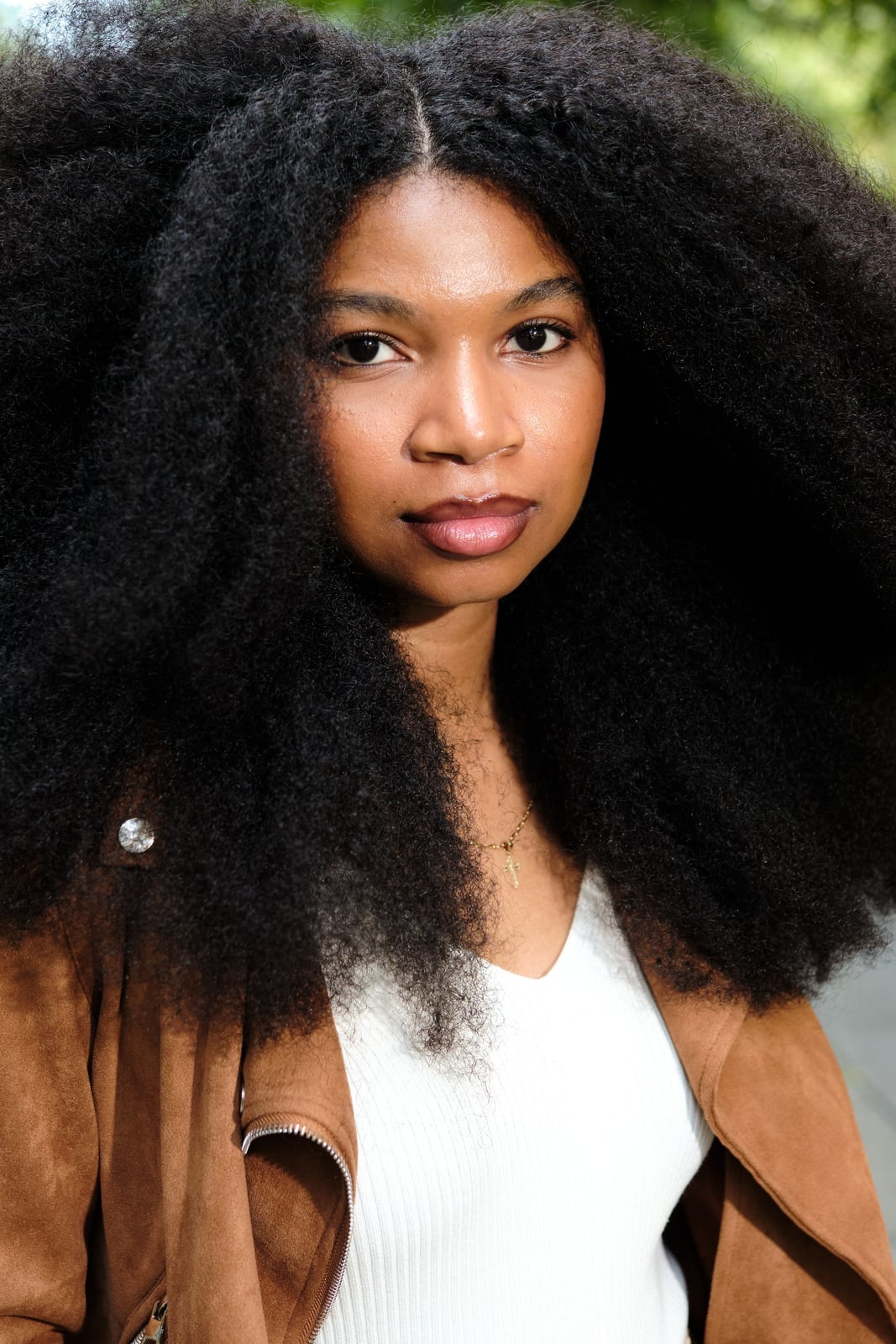
There is volume, and then there is this. The cut uses long layers throughout so the weight does not pull the waves flat, which is exactly what thick hair needs when it reaches mid-back. A middle parting keeps the shape symmetrical and lets the wave pattern read as one continuous piece. Ask your stylist for: mid-back length with long layers for volume. Suits oval and heart faces and hair that already has some natural wave or bend at shoulder length or longer. On damp hair, work a volumizing mousse through the midsection and ends, then air dry with occasional fluffing at the roots. A trim every eight weeks preserves the shape without sacrificing the growth.
Mid-Back Wavy Dark Hair With Honey Highlights
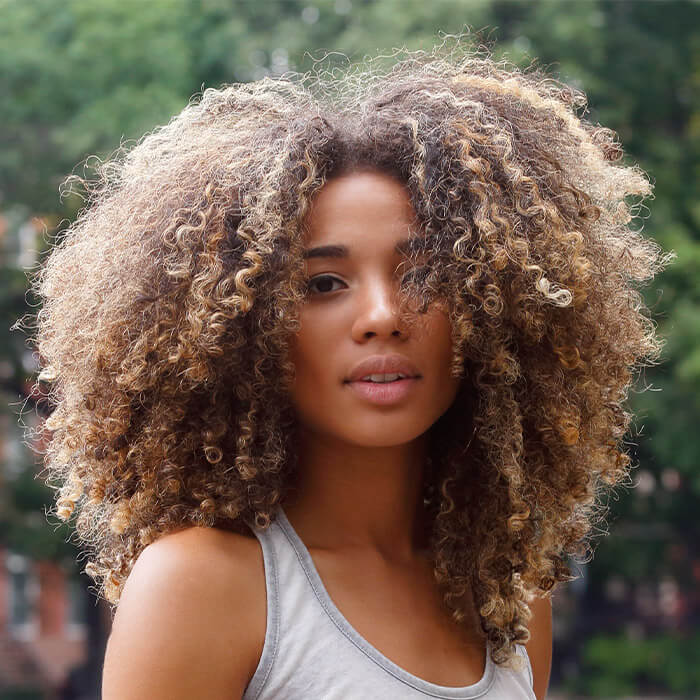
Honey blonde on a dark base is a balancing act: too thick and it looks painted on, too fine and it disappears. This version uses a hand-painted balayage that starts a few inches from the roots, so the dark base stays rich at the top while the honey warms up the ends and the layers. A side parting adds lift at the crown. Ask your colorist for: honey balayage with face-framing highlights. Works on thick, wavy hair of mid-back length and suits round and square faces. The season for this is fall through spring, when the warmth looks like a deliberate choice rather than sun-faded. A toning gloss every six to eight weeks keeps the honey from pulling brassy.
Full Volume Mid-Back Curly Black Hair
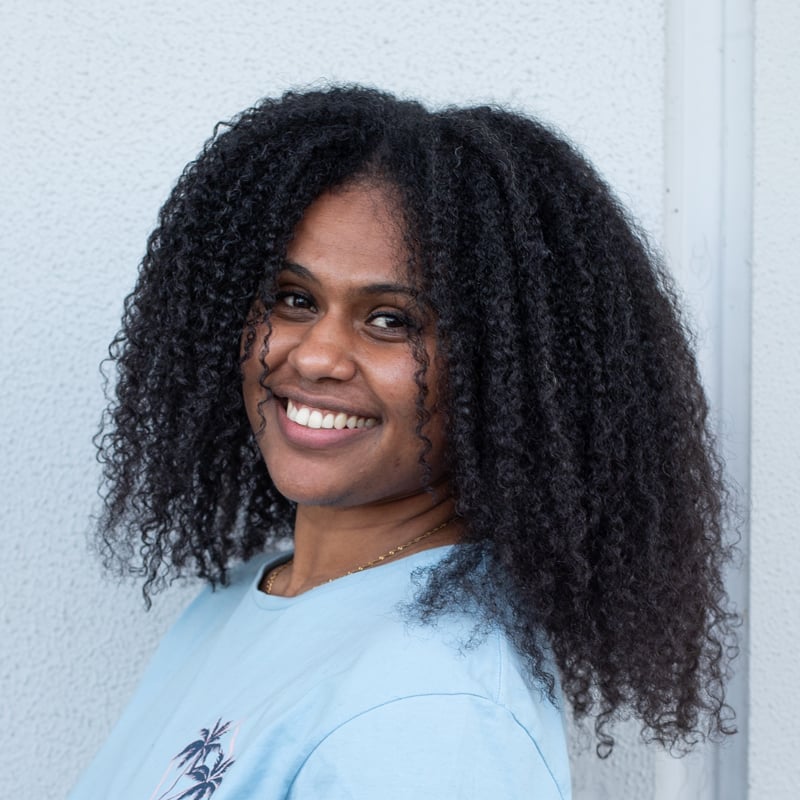
Can you have too much volume on curly hair? Only if the cut does not support it. Loose layers here do the work: they remove weight from the interior so the curls spring up instead of hanging heavy at the ends. Mid-back length keeps the shape grounded. Ask your stylist for: loose layers for volume with a middle parting. Suits thick, curly hair and oval or long faces. On soaking wet hair, scrunch with a curl-defining cream and let it air dry without touching it. A trim every eight to ten weeks stops the ends from going see-through while the top keeps its lift.
Collarbone Wavy Dark Brown With Caramel
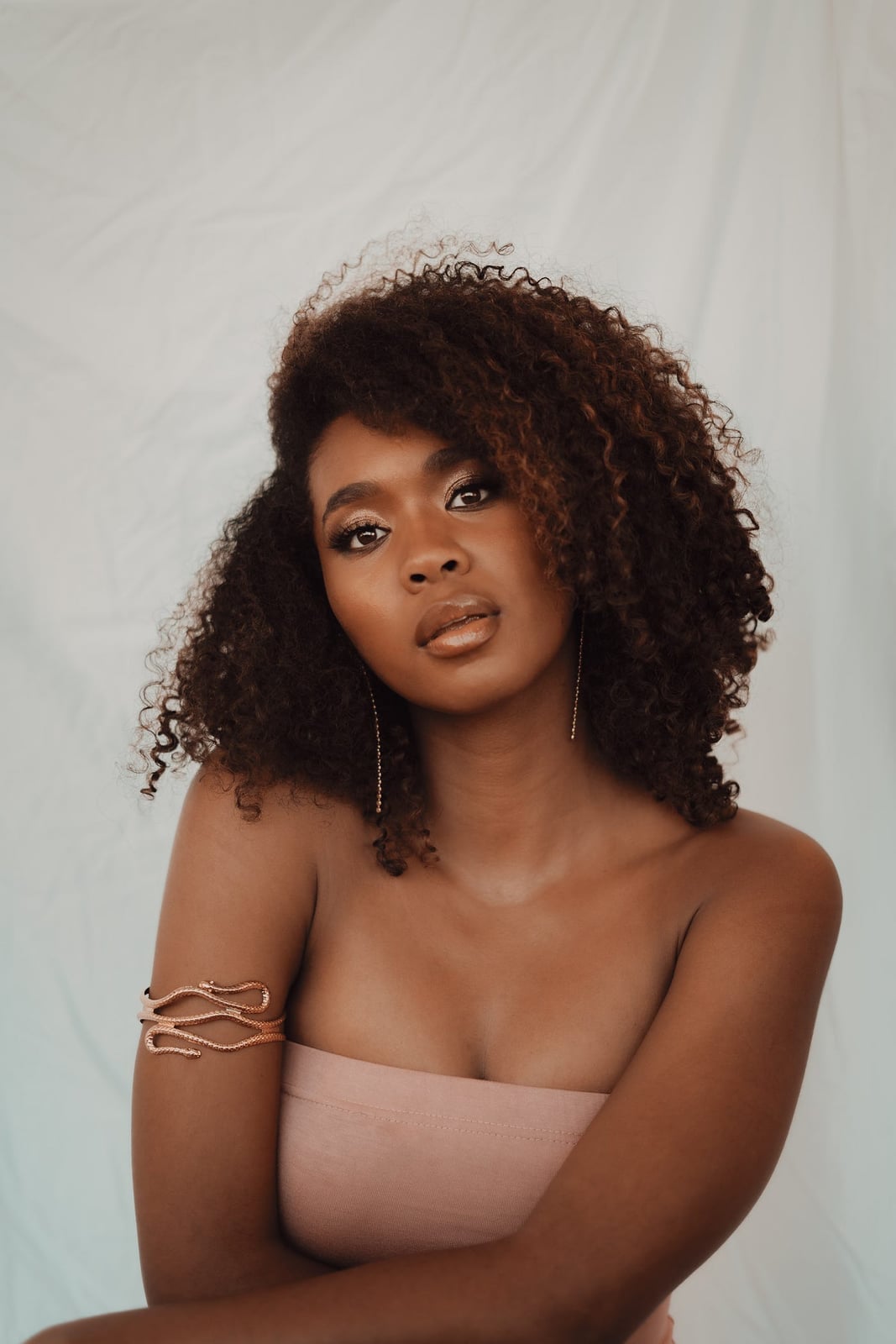
The shortest path to a face-framing effect without a full fringe is soft layers that start at the jaw and taper into the collarbone length. The caramel highlights here sit mostly around the face and on the ends, so they add dimension when the hair moves rather than creating a block of color. A side parting adds asymmetry. Ask your stylist for: collarbone length with soft face-framing layers and subtle caramel highlights. Suits medium-density wavy hair and square or round faces. This is a salon appointment for the color, but the air-dried waves are diy: a sea salt spray on damp hair, then twist sections around your finger and leave them alone.
Collarbone Curly Brown With Honey Highlights
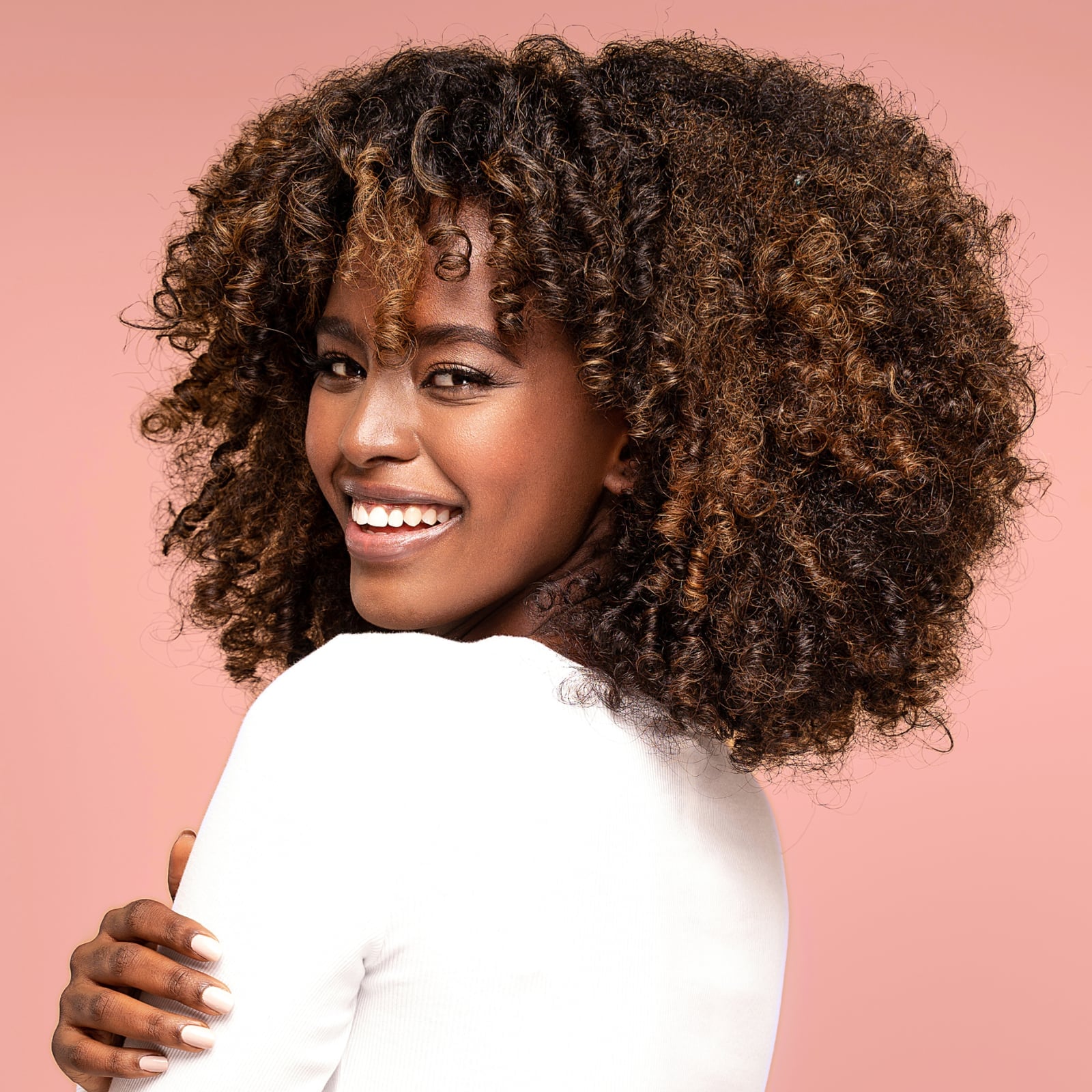
Solid color on curly hair is low maintenance, but it can look flat on thick texture. Honey highlights break up the brown base without the high-contrast look of caramel or copper. The trick is keeping the highlights fine enough that they follow the curl pattern. A side parting helps the color variation show evenly. Ask your colorist for: fine honey highlights on a brown base. Suits thick, curly hair starting at shoulder length and works for oval and long faces. Compared to a single-process color, highlighted curls need a gloss every six weeks to keep the tone clean, but the grow-out is softer and less obvious.
Collarbone Curly Dark Brown With Curtain Bangs
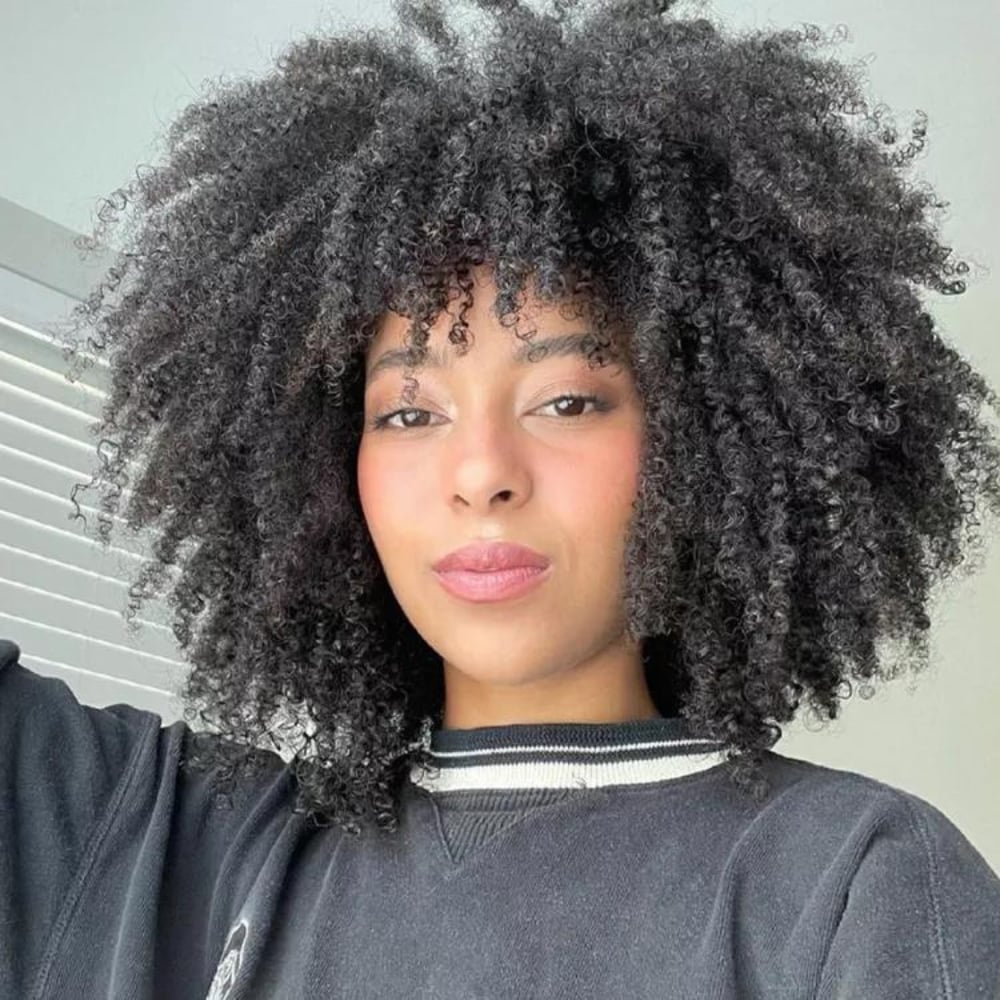
You have the collarbone length and the curtain bangs, but the air-dried finish might not be cooperating. The trick is to let the hair dry in its natural curly texture, then gently coax the bangs into shape with a round brush and low heat. Ask your stylist for: collarbone length, soft curtain bangs. A curl-enhancing cream applied to damp hair keeps the waves defined without crunch. The drawback is the bangs need a trim every four to six weeks, or they will start wearing you instead of the other way around.
Collarbone Straight Dark Brown Blowout
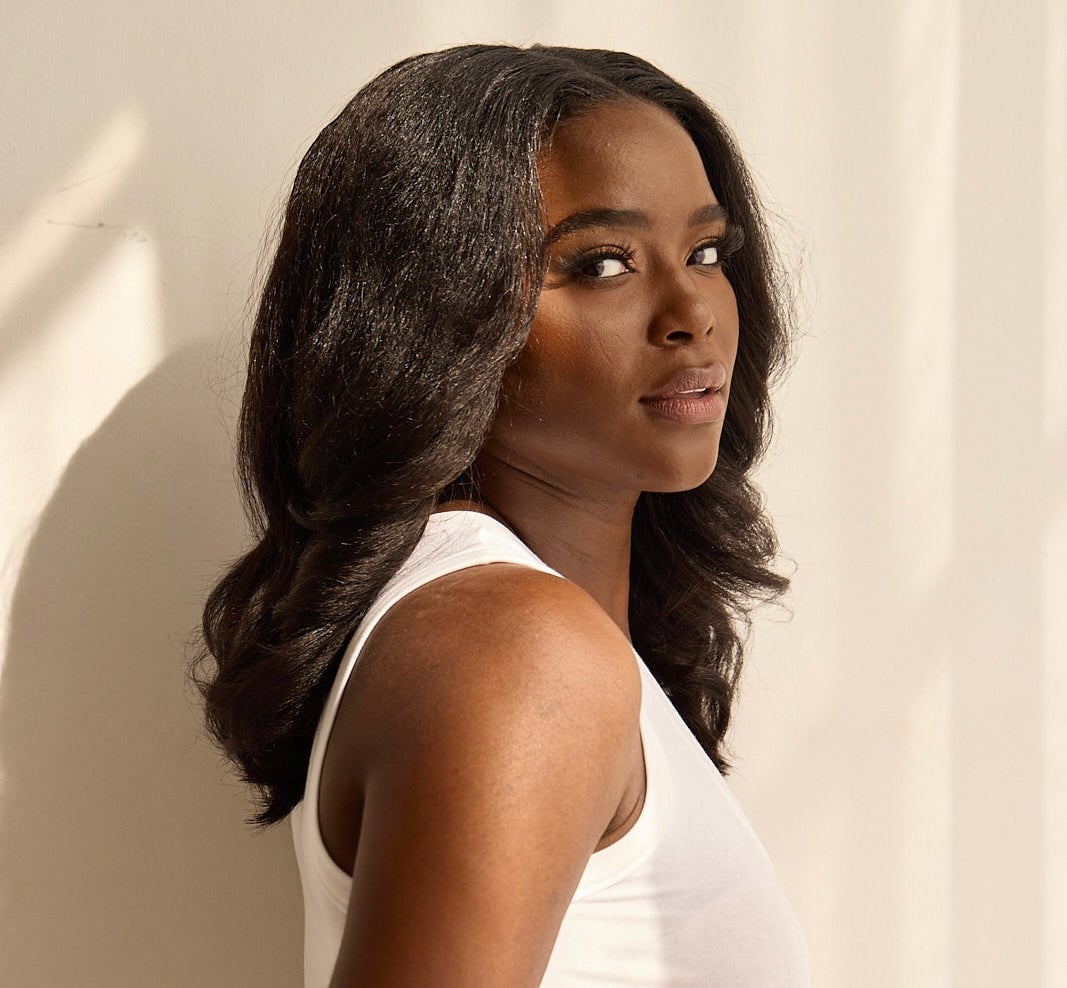
The mistake people make with a collarbone-length blowout on thick, straight hair is treating it like a marathon and ending up with a puffed, round shape that doesn’t move. The fix is in the layers: subtle ones cut through the interior give the hair shape and prevent that heavy, helmet-like finish. Ask your stylist for: collarbone length, voluminous blowout, subtle soft waves. Use a large round brush, pull sections taut, and finish with a smoothing serum to keep the shine. The result is a glossy, natural texture that works for long days and still holds its movement.
Shoulder Length Kinky Black Afro
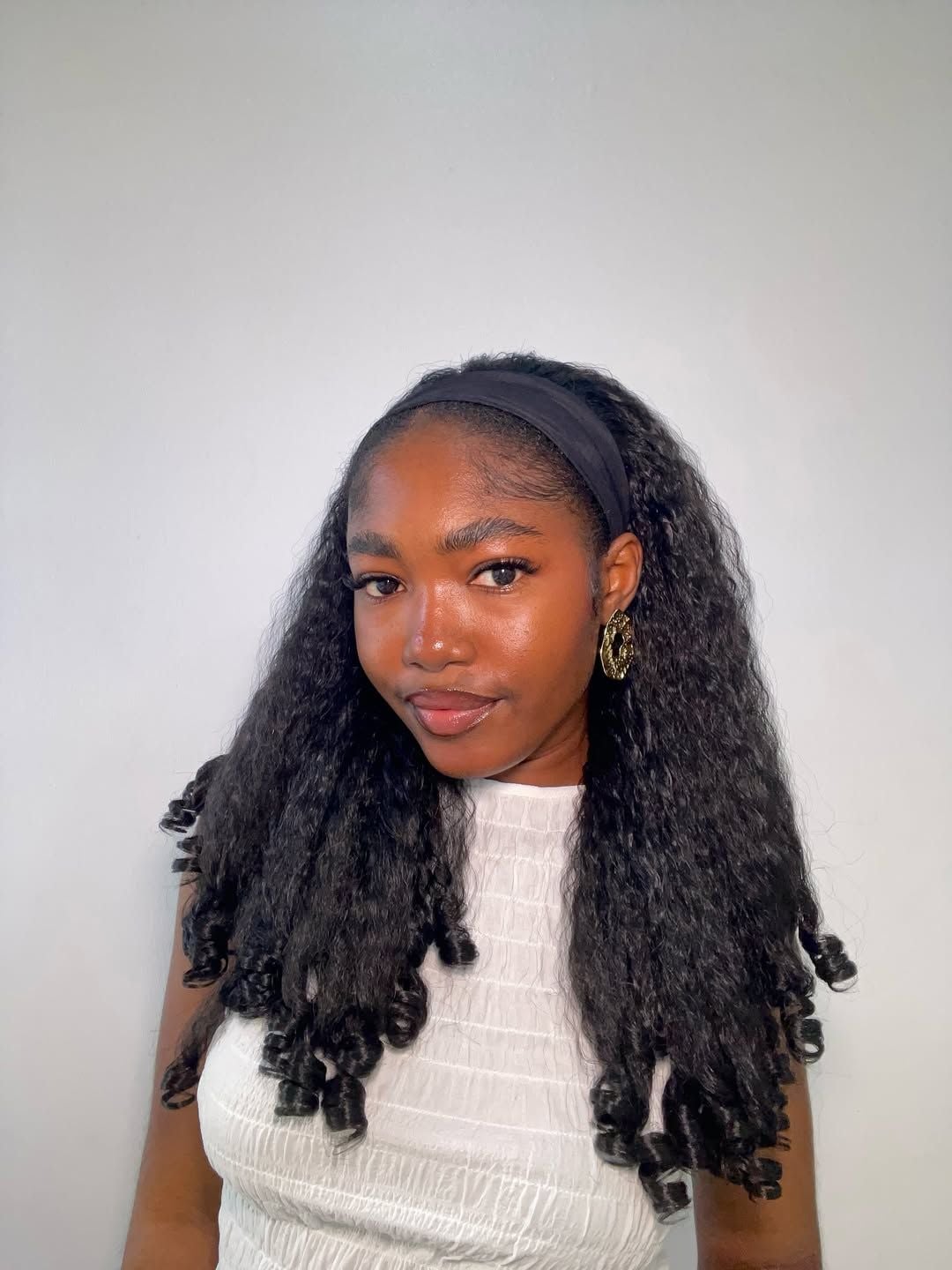
An afro at shoulder length is a statement in natural volume, and it works for all face shapes because the shape is so adaptable. The key is the cut: ask your stylist for a shoulder length afro with maximum natural volume, keeping the edges soft. Kinky, thick texture takes well to this shape, but it demands upkeep: daily moisture with a leave-in conditioner and a pick to lift the roots. It’s a salon cut, but the daily styling is all yours, and it’s worth the effort for the payoff of that full, rounded silhouette.
Shoulder Length Coily Dark Brown
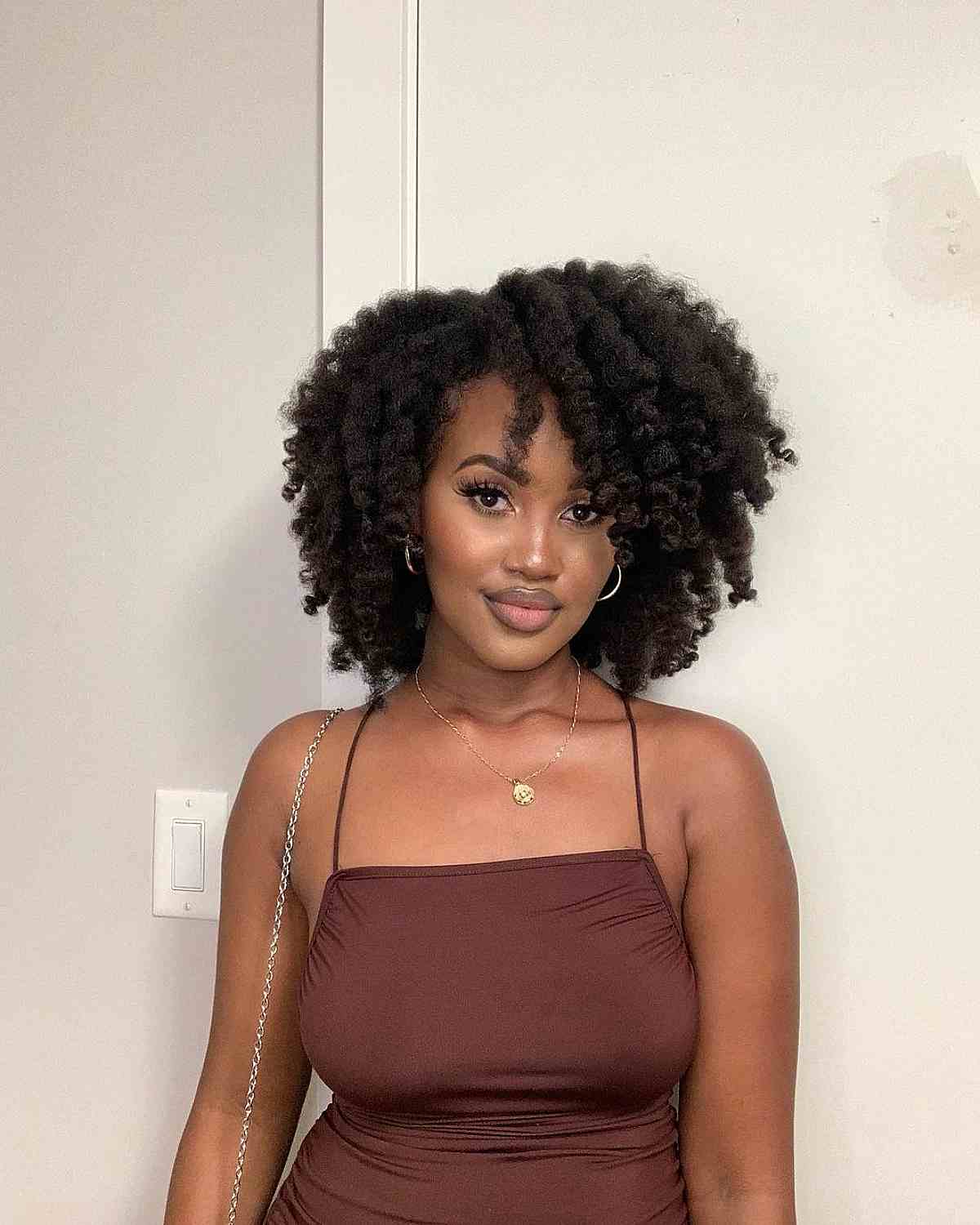
The cut is layered, so the coils sit with natural volume instead of shrinking into a flat shape. Ask your stylist for: shoulder length, defined coils, natural volume. To keep the definition, apply a curl-defining gel and twist sections while the hair is damp, then let it air dry. The upkeep is real: a trim every eight to ten weeks keeps the shape from looking straggly, and the daily twist routine is a commitment. But the result is a healthy, vibrant texture that moves as you do.
Shoulder Length Curly Dark Brown With Highlights
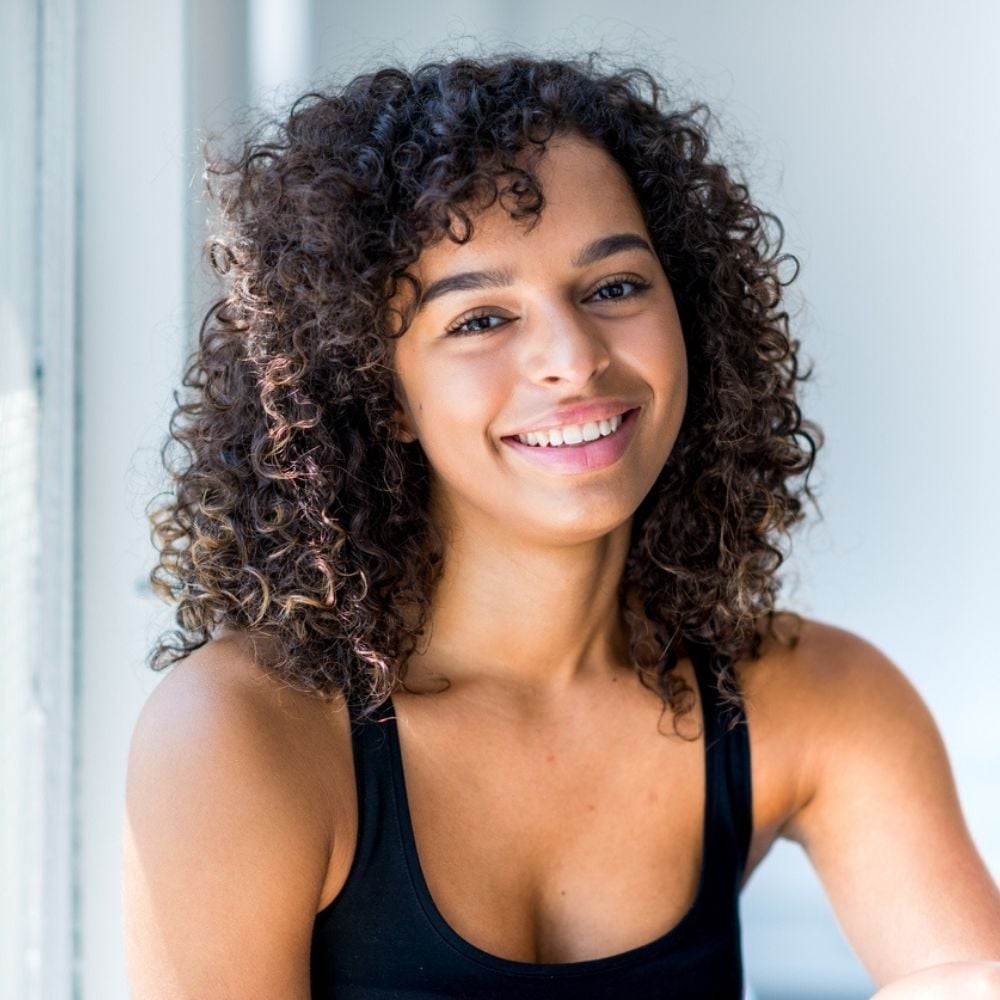
How do you get subtle highlights on shoulder-length curly hair without ending up with a stripey mess? The answer is placement: ask your colorist for shoulder length, loose curls, subtle highlights, and let the curls dictate where the light hits. The layers are cut to let the curl pattern show, and the side parting helps the highlights fall naturally. It’s a DIY-friendly look if you’re comfortable with a diffuser on low heat, but the color is best left to a pro. Refresh the tone with a color-depositing conditioner monthly, and you’ll keep the dimension without the brass.
Mid-Back Dark Brown Hair In Two Buns
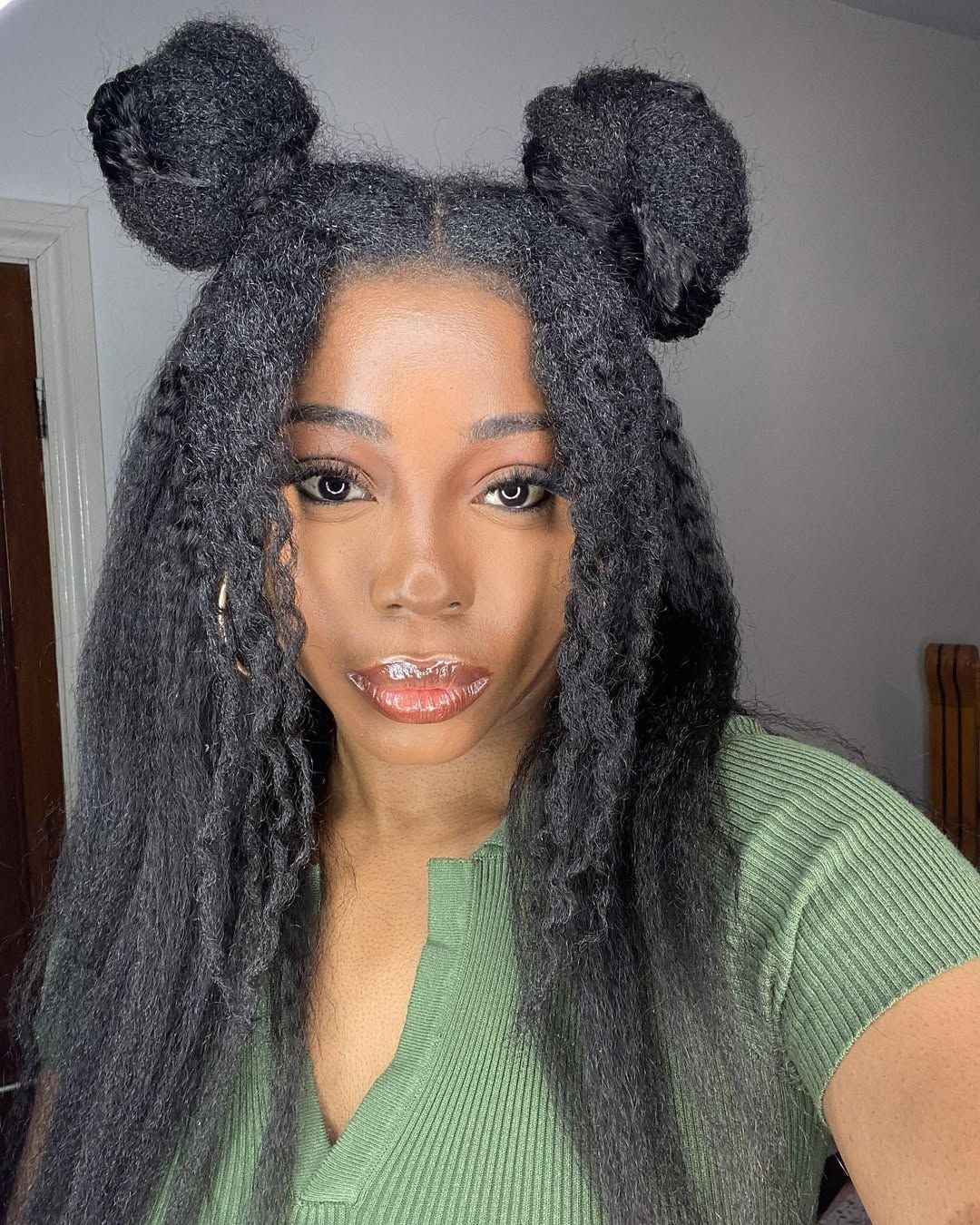
Two buns create a playful look, but the real trick is the tension. The face-framing strands keep the style from skewing too literal. The kinky, thick texture holds the shape without a dozen pins. Mid-back length hair that has some weight to it works well for this style.
Ask your stylist for: mid-back length, two high buns, face-framing pieces. Suits all face shapes, though the vertical lines from the middle part elongate a round face. Use elastic bands and bobby pins for security, then mist with hairspray to control flyaways. A trim every eight weeks keeps the ends tidy, but the buns themselves need no maintenance between washes.
Voluminous Reddish-Brown Afro
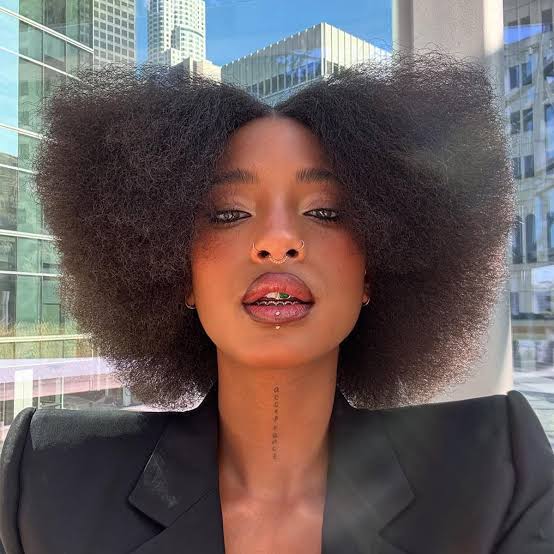
The afro is a shape, not a lack of shape. This one builds its volume from the coily texture itself, air-dried and left alone to expand outward into a rounded silhouette. The vibrant reddish-brown shade is the real project. On thick, coily hair, achieving that even pigment means a two-step process: a gentle lightener to lift the natural pigment, then a semi-permanent gloss in a warm copper-red tone.
Ask your colorist for: voluminous afro, vibrant reddish-brown color. Works for mid-back length coily hair and suits all face shapes. Apply a moisturizing spray and use a diffuser on low heat to set the shape. Trim only when the ends feel dry, roughly every ten to twelve weeks. This is a statement style for any season, but fall light makes that red pop.
Mid-Back Black Braids With Beads
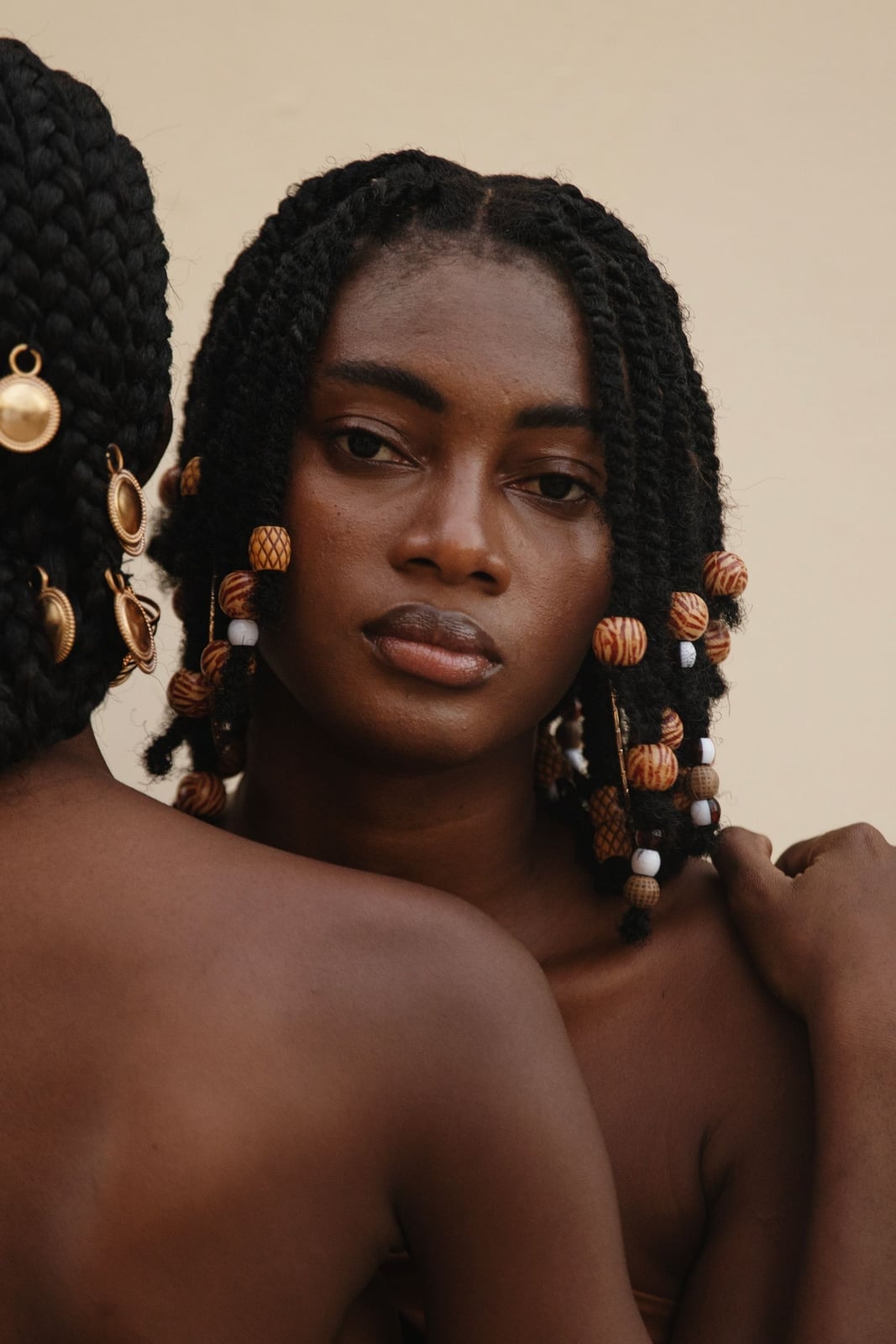
How long do braids with beads actually last? About four to six weeks, assuming you treat the scalp right. The intricate braiding on coily, thick hair of mid-back length takes a salon session of two to three hours, but after that, the daily work is minimal. The decorative beads add weight, so the braids hang with a satisfying swing rather than bouncing. Ask your stylist for: mid-back length intricate braids with beads. Keep the scalp moisturized with oil or serum applied on a cotton pad, and sleep on a satin bonnet to prevent frizz at the roots. The beads stay put if you avoid catching them on collars and seat belts.
Short Undercut With Grey Black Curls
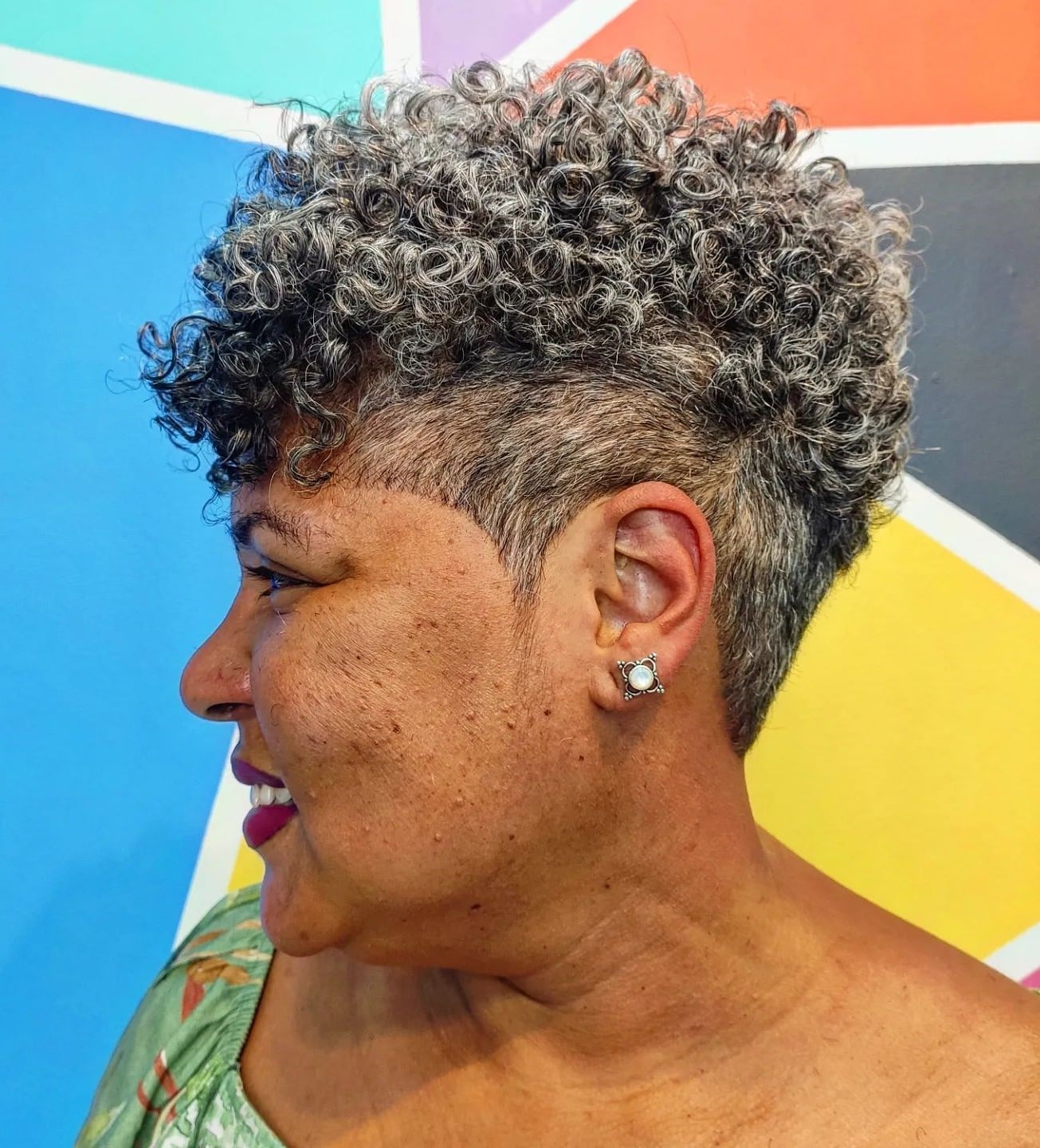
The undercut is a commitment, but the clean silhouette shows off the curl pattern on top. The contrast between the shaved sides and the longer, curly top section is clear, not accidental. The grey and black mix here is natural, not painted. Ask your stylist for: short undercut with longer curly top, grey and black tones. Suits oval and heart faces. This is a salon cut; the undercut needs a clipper refresh every three to four weeks to stay sharp. The top section needs a curl enhancer applied to wet hair and air-dried. The one drawback: growing out the undercut is awkward, so be sure you want the shape for at least six months.
Short Curly Pixie With Textured Top
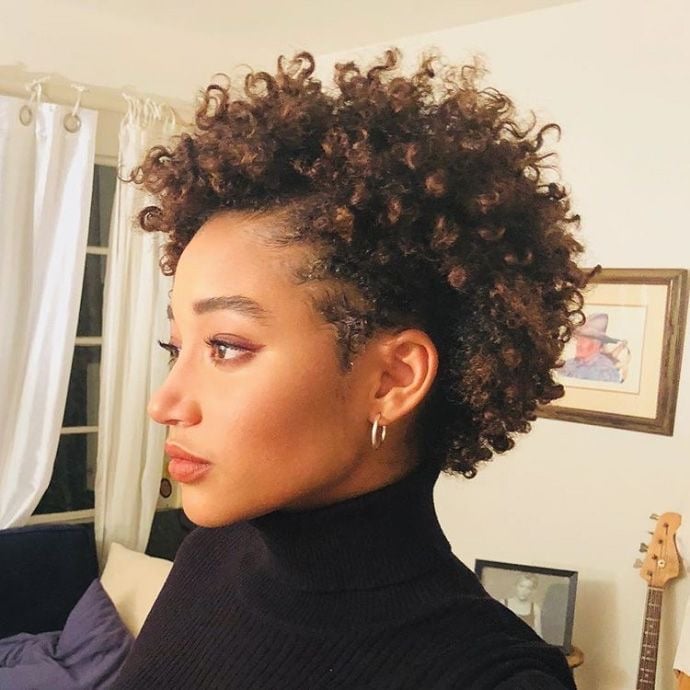
The mistake with a fine-textured curly pixie is skipping the layering on top. Without it, the curls collapse into a flat cap. This version keeps the sides cropped around the ear and uses a side parting to add lift at the root. The dark brown color is single-process, no dimension needed. Ask your stylist for: short curly pixie, textured top, side parting. Suits round and oval faces. The one real drawback: fine curls lose definition by midday without product. Use a matte paste worked through damp hair and let it air-dry. Schedule trims every four to six weeks or the shape turns shaggy.
Short Textured Black Afro With Accessory
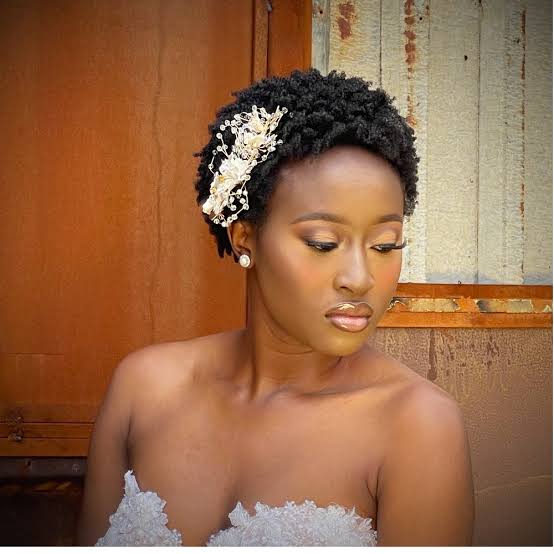
How do you make an ear-length coily afro feel dressed up without a salon visit? Pin a decorative accessory on one side and let the texture do the rest. The cut is a short, thick afro with no bangs, so the shape is already round and full. Ask your stylist for: short textured afro, ear length. At home, start with damp hair and apply a light oil to define the coils. Then fluff the roots with a pick to build volume. Finish by clipping the accessory just above the ear, and you have a styled look that took five minutes.
Short Platinum Blonde Curly Crop
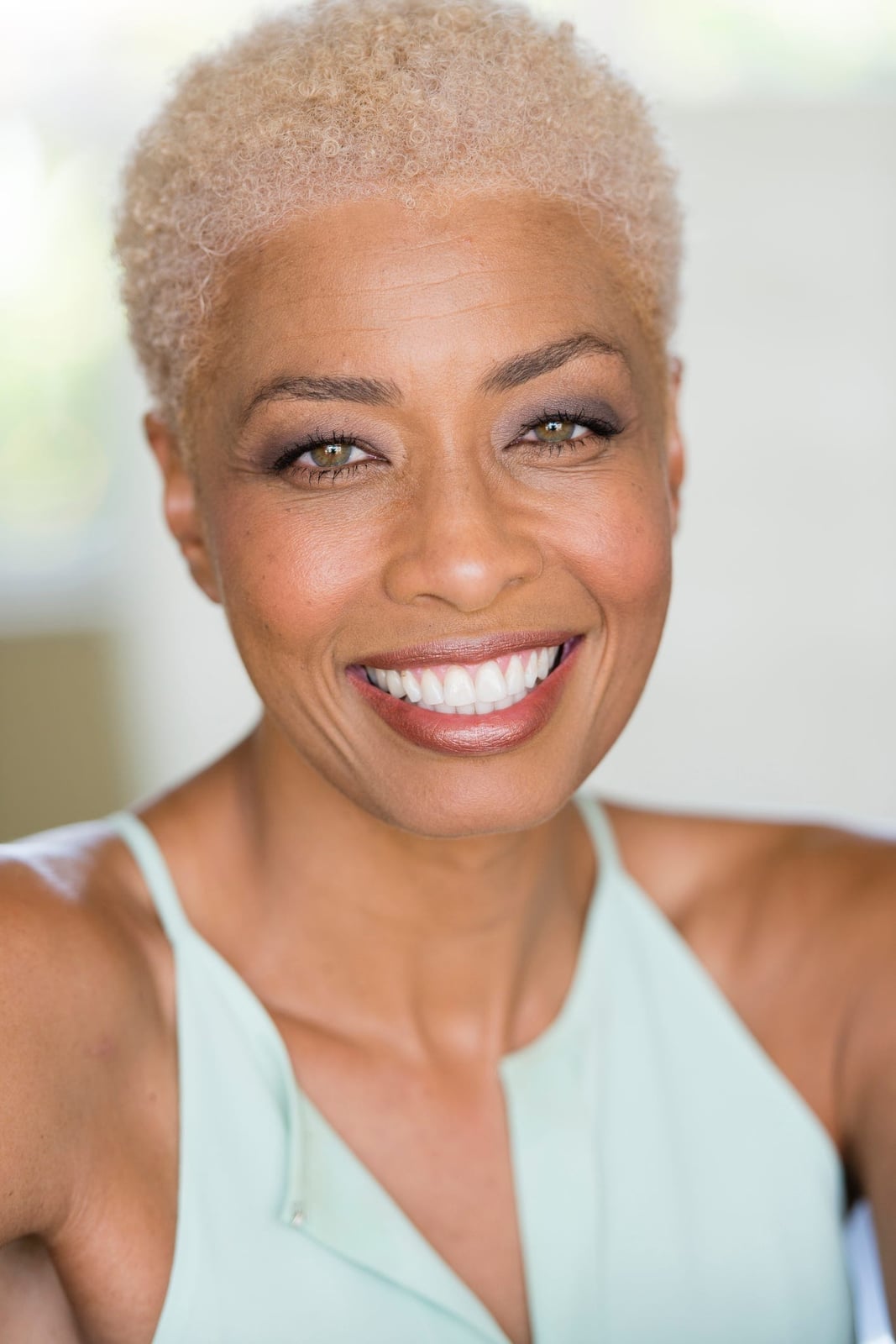
The slicked-back parting on this ear-length curly crop is what turns a simple cut into a statement. Fine, air-dried curls in platinum blonde keep the design soft, not severe. It suits oval and heart faces best, since the volume sits high and the length stays close to the head. Ask your stylist for: short curly crop, platinum blonde. A light hold gel keeps the parting in place, and platinum blonde typically needs toning every four to six weeks to stay bright.
Short Black Pixie With Wispy Bangs
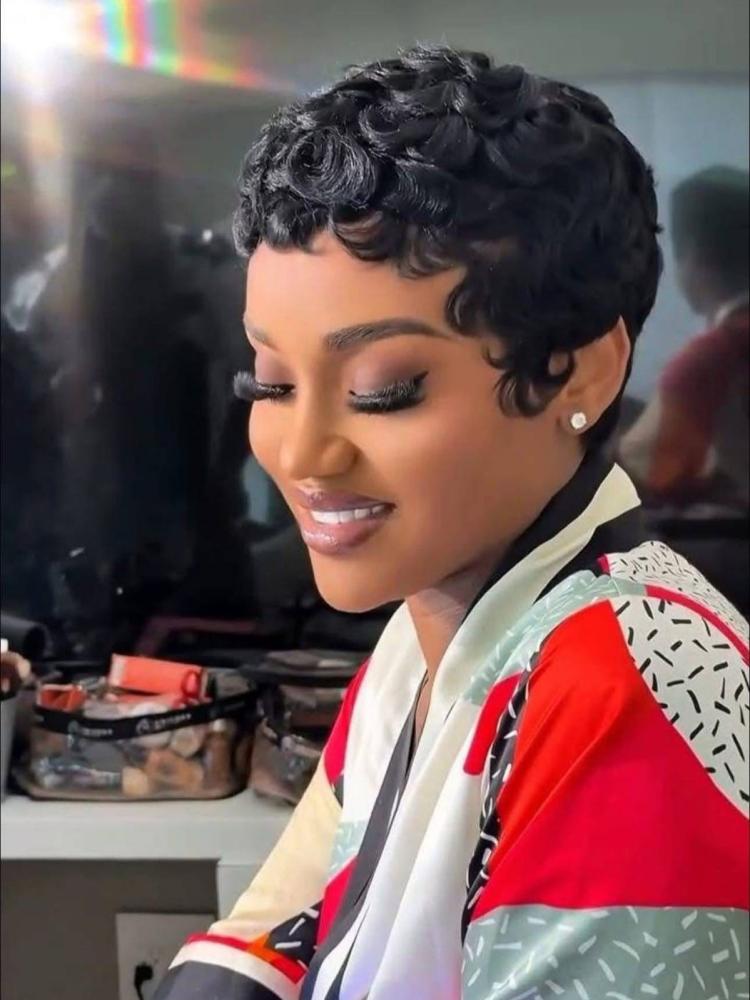
Defined finger waves on a short black pixie are not a wash-and-go situation. The side part and short wispy bangs give the cut its shape, but the waves need coaxing with a styling cream and a fine-tooth comb each morning. Fine, curly texture holds the pattern well once set, and the style suits oval and square faces. Ask your stylist for: short pixie, wispy bangs, finger wave detail. Plan on a trim every four to six weeks, because the silhouette depends on precise lines.
Final Thoughts
For coily and kinky textures, prioritize cuts that allow for maximum volume and definition, like layered afros or well-maintained braids. For wavy and curly types, consider cuts that encourage curl formation and minimize frizz, such as layered styles or well-shaped bobs.
- Trim coily and curly hair every 8-12 weeks to maintain shape and health.
- Deep condition regularly, especially for dry or textured hair types.
- Use air-drying techniques or low-heat styling to preserve natural texture.
- Protect braids and intricate styles with silk or satin bonnets at night.
Embrace your natural texture; the right cut will make styling simpler and more beautiful.

