
Natural hair braiding is an art form that keeps evolving, and this season it’s all about glossy texture and lived-in color, with soft face-framing layers and curtain bangs woven into the braids themselves. Braids are no longer just a protective style, they’re a full-on statement.
Here are 20 Natural Hair Braiding Styles for 2027, ranging from quick DIY twists to intricate salon cornrows. Whether your hair is fine, thick, coily, or low-density, you’ll find a look that works for your texture and your schedule. Say goodbye to fringes that won’t sit and grow-out lines that show, because every style here holds its shape and its cool.
Braided Headband With Loose Curls
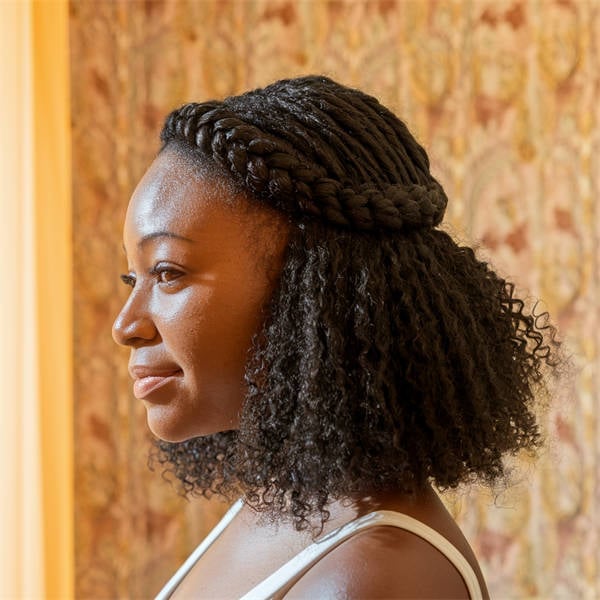
A braided headband across the crown does the work of a hair accessory without requiring a single bobby pin. The loose wavy curls fall to collarbone length, and the middle part keeps the whole shape balanced rather than lopsided. Thick, wavy hair can hold a curl without deflating by noon. Ask your stylist for: braided headband with loose collarbone curls. A smoothing serum on the braided section and a curl enhancer on the loose hair keep each texture distinct. A trim every six to eight weeks prevents the ends from looking stringy against the headband.
Twist Out With Braided Accents And Beads
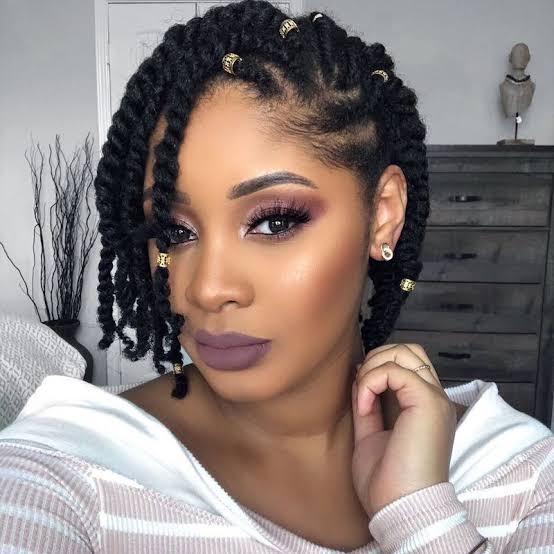
This style builds texture in layers: a twist out with defined coils and curls forms the base, while smaller braids along the hairline add an extra line of detail. Gold beads sit at the ends of the braids and break up all that volume, which is useful if you have a narrow face that could use a little width at the sides. Ask your stylist for: collarbone length twist out with hairline braids and gold beads. A light oil keeps the twists from frizzing, and a curl refresher spray brings the definition back between washes. The beads stay put either way.
Chin Length Twist Out With Metal Cuffs
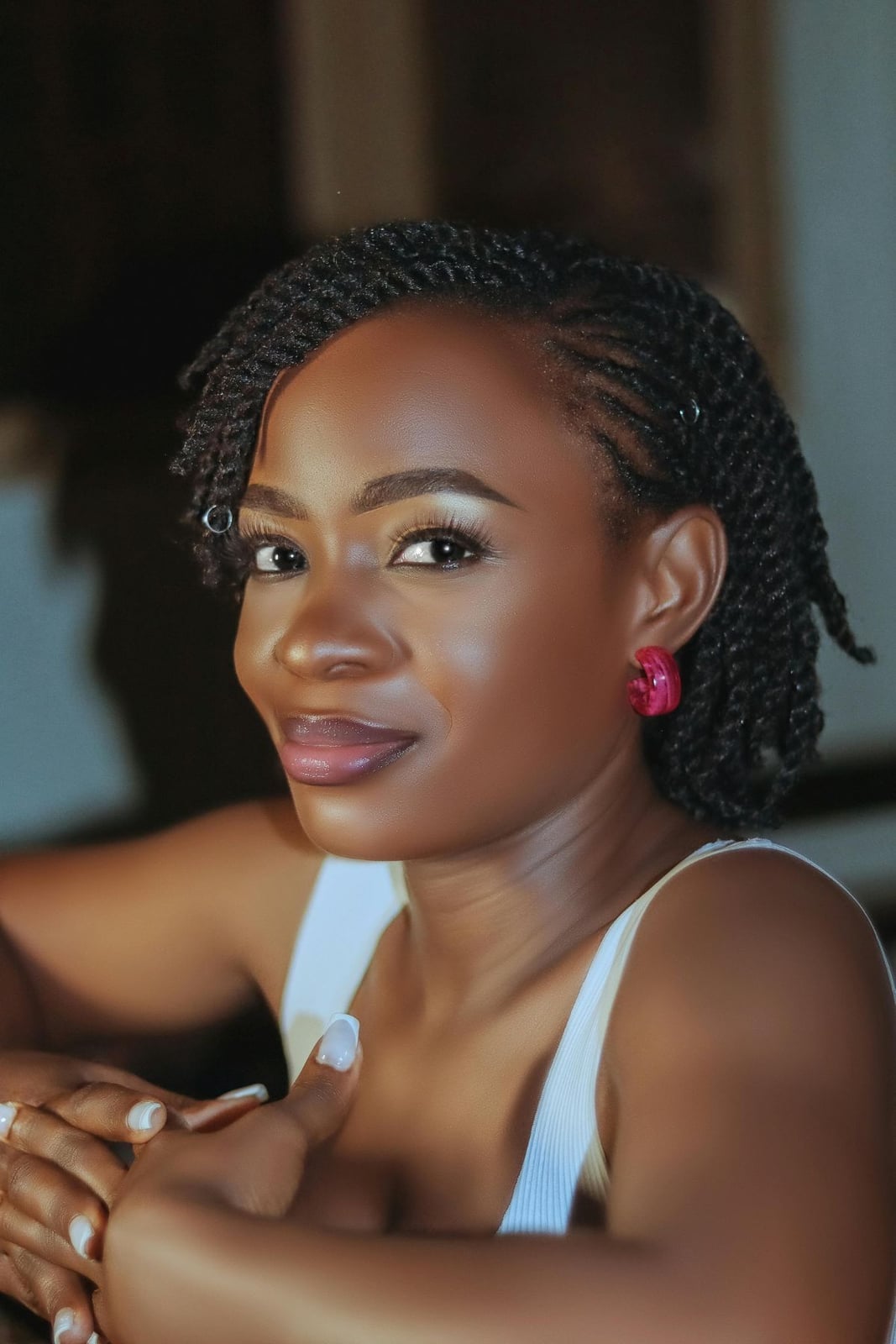
Can you get defined twists at chin length without it looking like a bob that gave up? Yes, if you start with thick, coily hair and use a moisturizing balm for separation. The metal cuffs near the ear add a detail that draws the eye up, so the short length looks purposeful rather than in-between. Ask your stylist for: chin length twist out with subtle metal cuffs. Cuffs go on after styling, which makes this a diy option if you have a steady hand and good lighting.
Short Finger Waves With Braided Sides
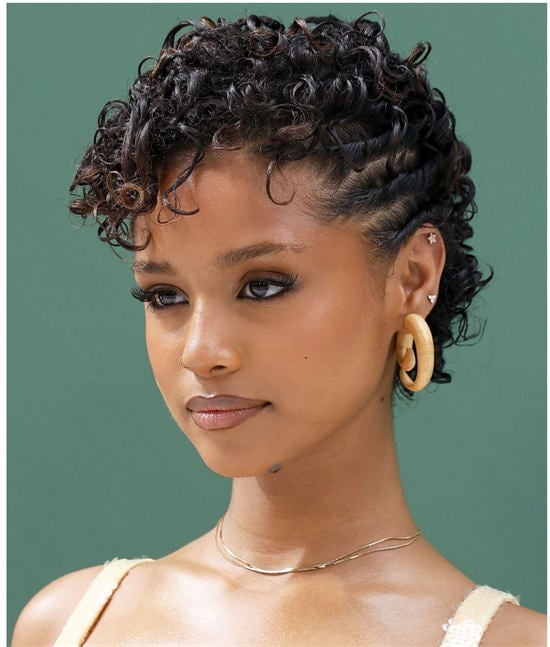
Finger waves and side braids occupy different eras, but they share one thing: a need for hold. The waves sit across the top on fine, curly hair at ear length, and the braids pinch in the sides so the whole shape stays compact. The side swept bangs soften a square jaw, though the trade-off is that refreshing finger waves takes more time than a standard wash-and-go. Ask your stylist for: short finger waves with braided sides and side swept bangs. A setting lotion holds the wave pattern, while a light spray keeps the braids from slipping.
Long Braids With Wavy Curly Ends
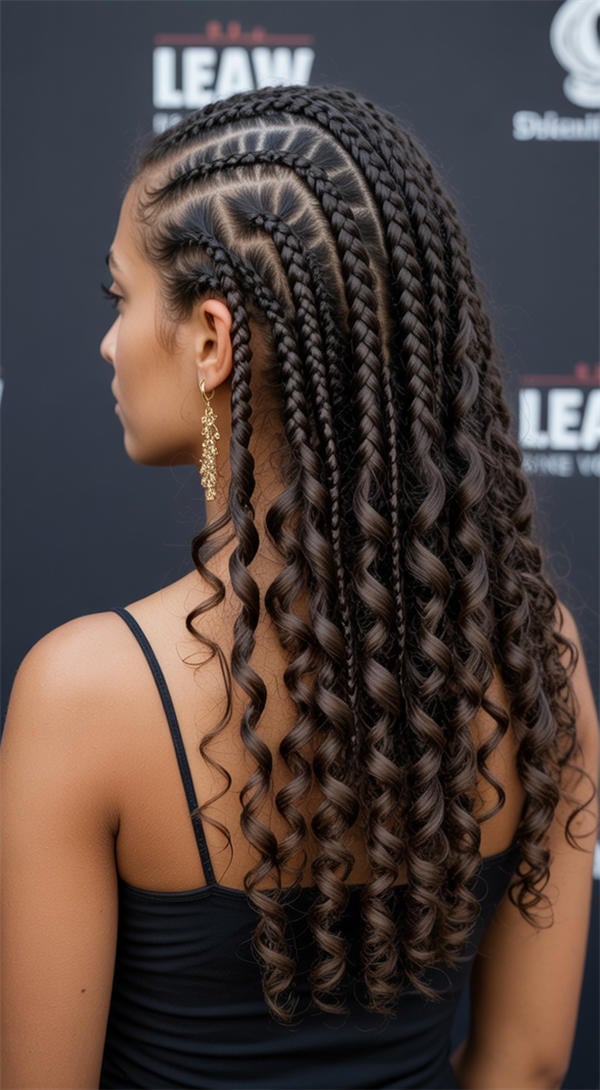
Ask your stylist for: long braids with defined wavy curly ends. Conditioner on the ends preserves the curl pattern, and a trim every ten to twelve weeks prevents the wavy sections from fraying. The hold is solid, braids this long stay put until you take them down, no re-pinning required.
Heart Shaped Cornrow Pattern
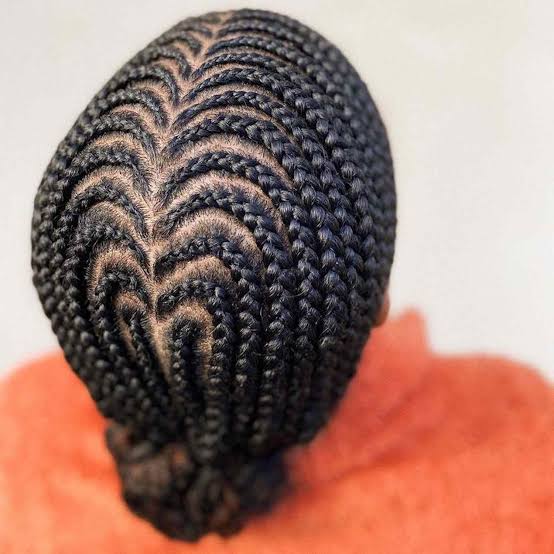
Getting a heart-shaped cornrow pattern on short black hair requires a stylist who maps the design on the scalp before starting. The grid has to be symmetrical from the middle parting out to the nape, and the rows need to curve without gaps. Thick, straight hair holds the lines best, and the short length keeps the pattern visible instead of getting lost in length. Ask your stylist for: short cornrows in a heart pattern. That pattern is the point, so a light edge control gel along the part keeps it crisp. A braid spray on the scalp prevents dryness while you wear the design.
Micro Braids Half Up Half Down
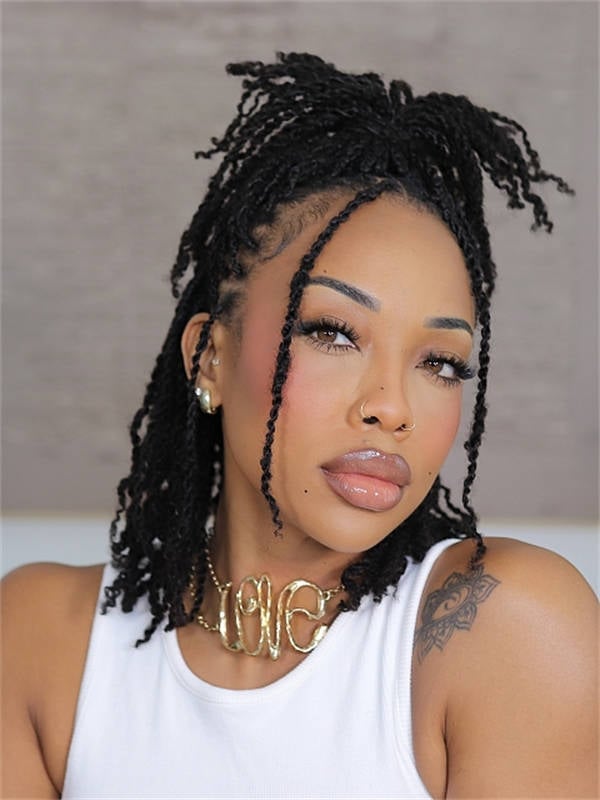
How do you wear micro braids without committing to all of them being down? Ask your stylist for: shoulder length micro braids half up half down with face framing. The half-up section is gathered from the crown and secured with bobby pins or a small clip, leaving the rest falling to the shoulders. The face-framing pieces keep the front from looking bare, which helps soften angular jawlines. Coily, thick texture at shoulder length gives the braids enough body to hold the style without slipping. Refresh the look by misting the braids with water and re-smoothing any frizz at the roots.
Cornrows To Loose Wavy Strands
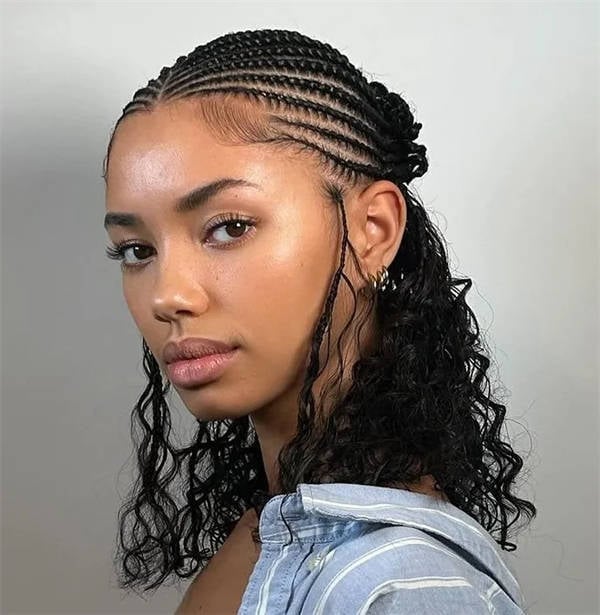
The design here is two textures in one head: tight cornrows at the scalp and loose wavy strands cascading to mid-back. The transition happens around ear level, where the braided sections stop and the natural curly texture takes over. That means two different upkeep rhythms. The cornrows need retightening every four to six weeks, and the loose ends need a curl cream after washing to keep the wave pattern defined. Thick, curly hair at mid-back length can support the braids without pulling at the roots. Ask your stylist for: mid-back cornrows transitioning to loose wavy curls.
Sleeping with the hair in a pineapple or loose bun protects the wave pattern overnight. The braids will last longer if you avoid heavy products on the scalp, which can build up and accelerate loosening. A satin scarf or bonnet helps both sections stay smooth.
Ponytail With Braided Accents And Gold Rings
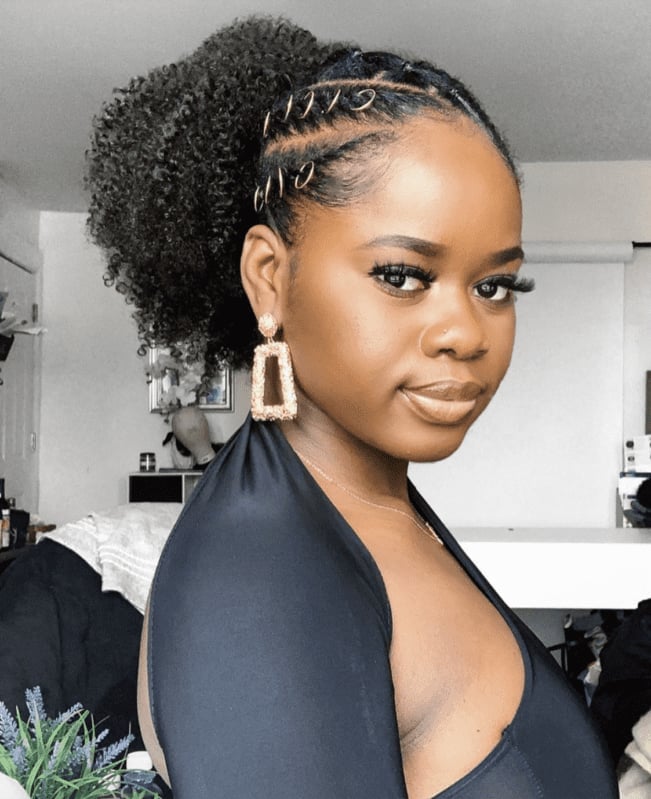
When a high ponytail is the base but you want more than just a puff, braided accents with gold rings add the detail. The ponytail is pulled from thick, coily hair at mid-back, and small braids wrap around the base, each threaded with a gold ring before being tucked under. The baby hairs are laid down with gel for a clean edge. Ask your stylist for: mid-back ponytail with braided accents and gold rings. This is a style that works for events where you want the hair off the face but still decorated, weddings, date nights, or any occasion where the hair is part of the outfit.
The gold rings mean the ponytail needs a little extra care in the shower. Wash with the ponytail inside a shower cap to keep the rings from tarnishing, and dry the metal pieces with a towel after each wash. The ponytail itself holds for three to five days if you refresh the edges with edge control daily.
Long Thin Box Braids With Highlights
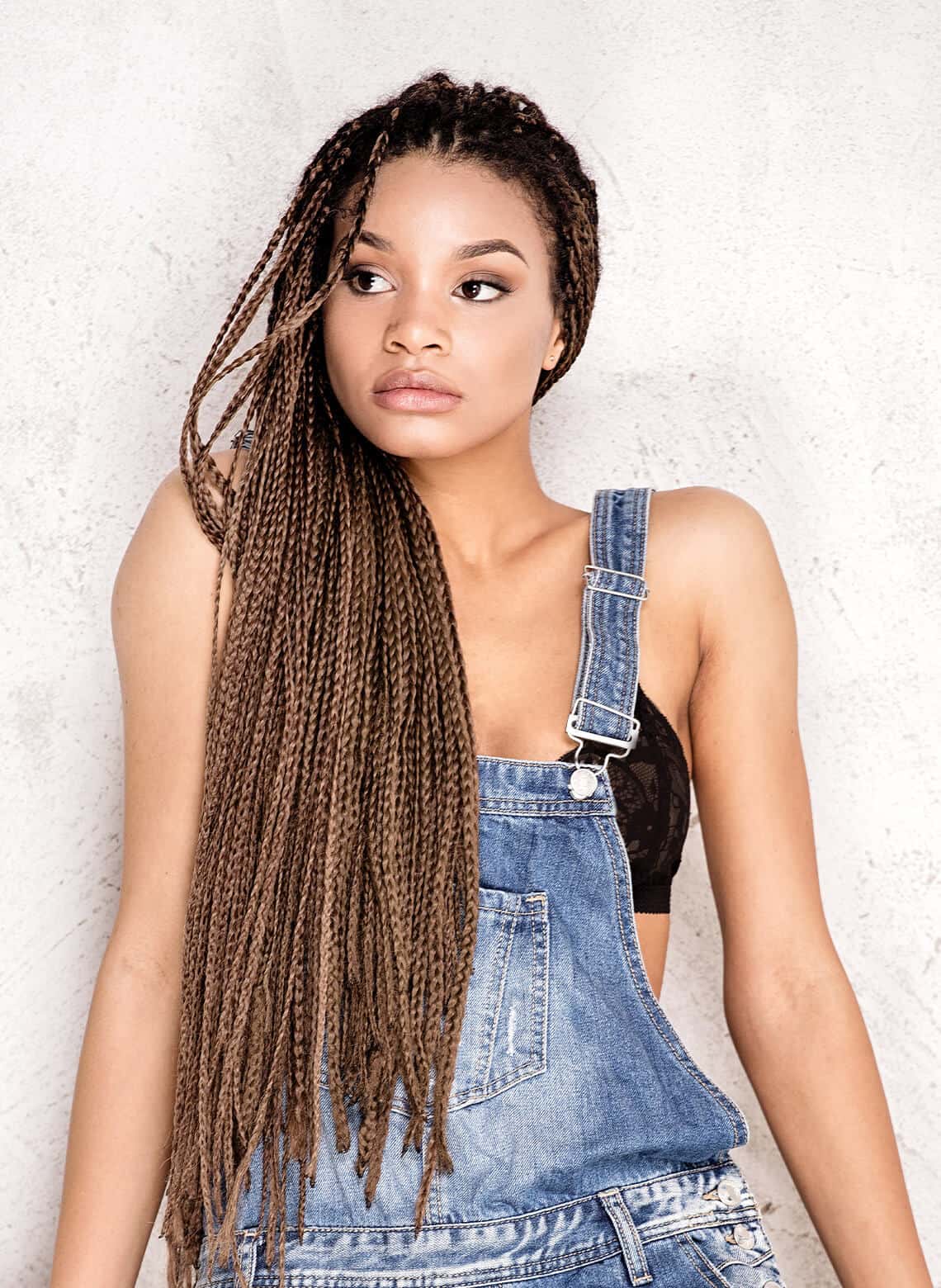
Long, thin box braids at mid-back length gain dimension from subtle lighter highlights woven through a warm brown base. The fine, wavy texture here means the braids are lighter than chunkier versions, but that thinness also comes with a trade-off. The braids can pull at the roots more than thicker sections, and if the hair is already fragile, the tension may lead to breakage over time. A good stylist will keep the braids firm but not tight enough to cause strain. Ask your stylist for: long thin box braids with subtle warm highlights. The highlights require retouching every eight to ten weeks to keep the dimension without buildup.
Cornrows With Wooden Beads
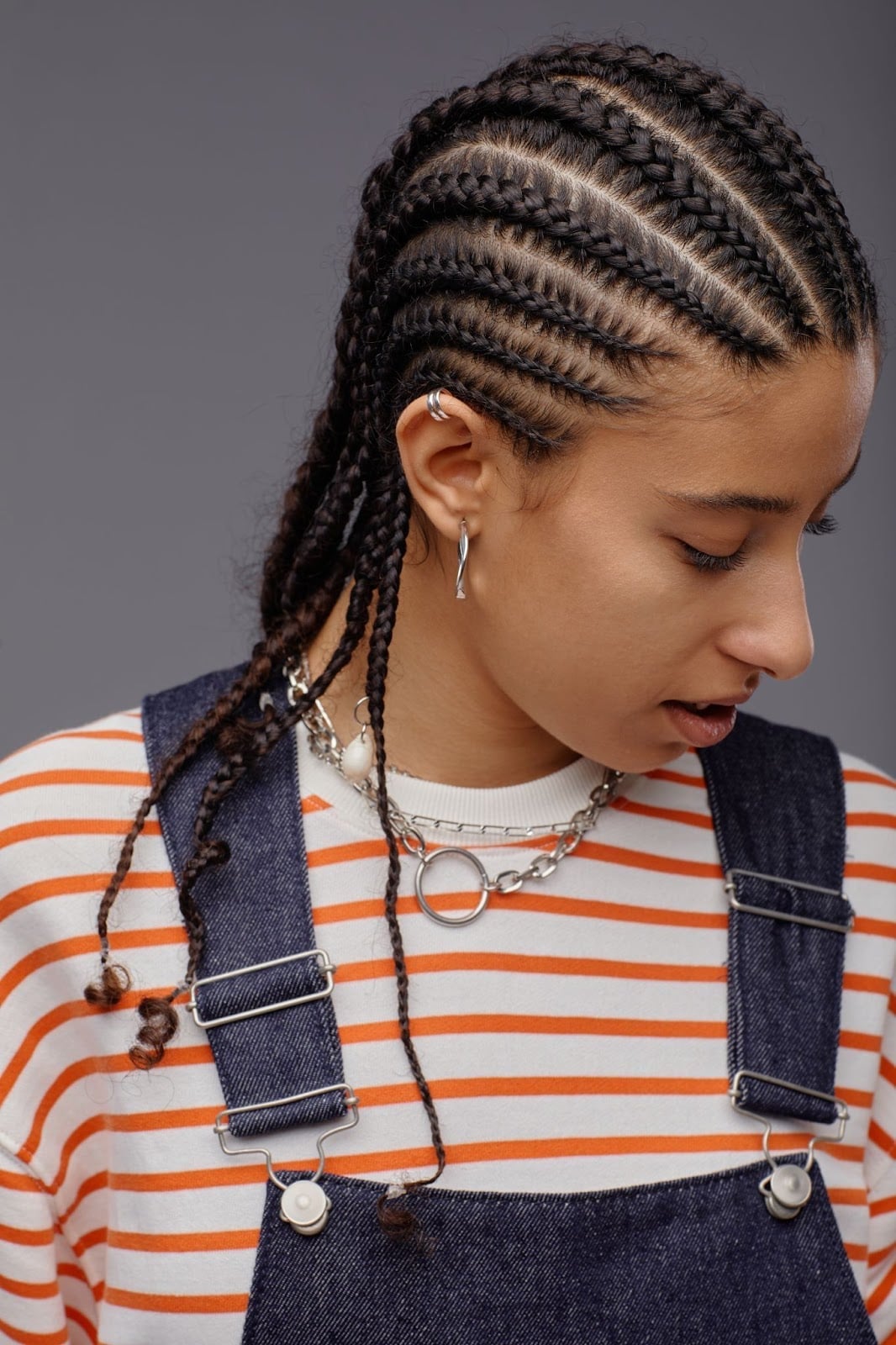
The design starts with tight cornrows at the front hairline, then transitions into longer hanging braids that reach mid-back. The natural wooden beads are threaded onto the braids at intervals, adding weight and a soft click when you move. This style suits thick, natural-texture hair that can support both the braid tension and the beads without strain.
Ask your stylist for mid-back cornrows transitioning into braids with wooden beads. The beads are not a DIY addition; they need to be secured during the braiding process so they stay put. A side or middle part works, but the side view here shows how the beads cluster along the length for maximum visual effect.
Intricate Cornrows To Mid-Back
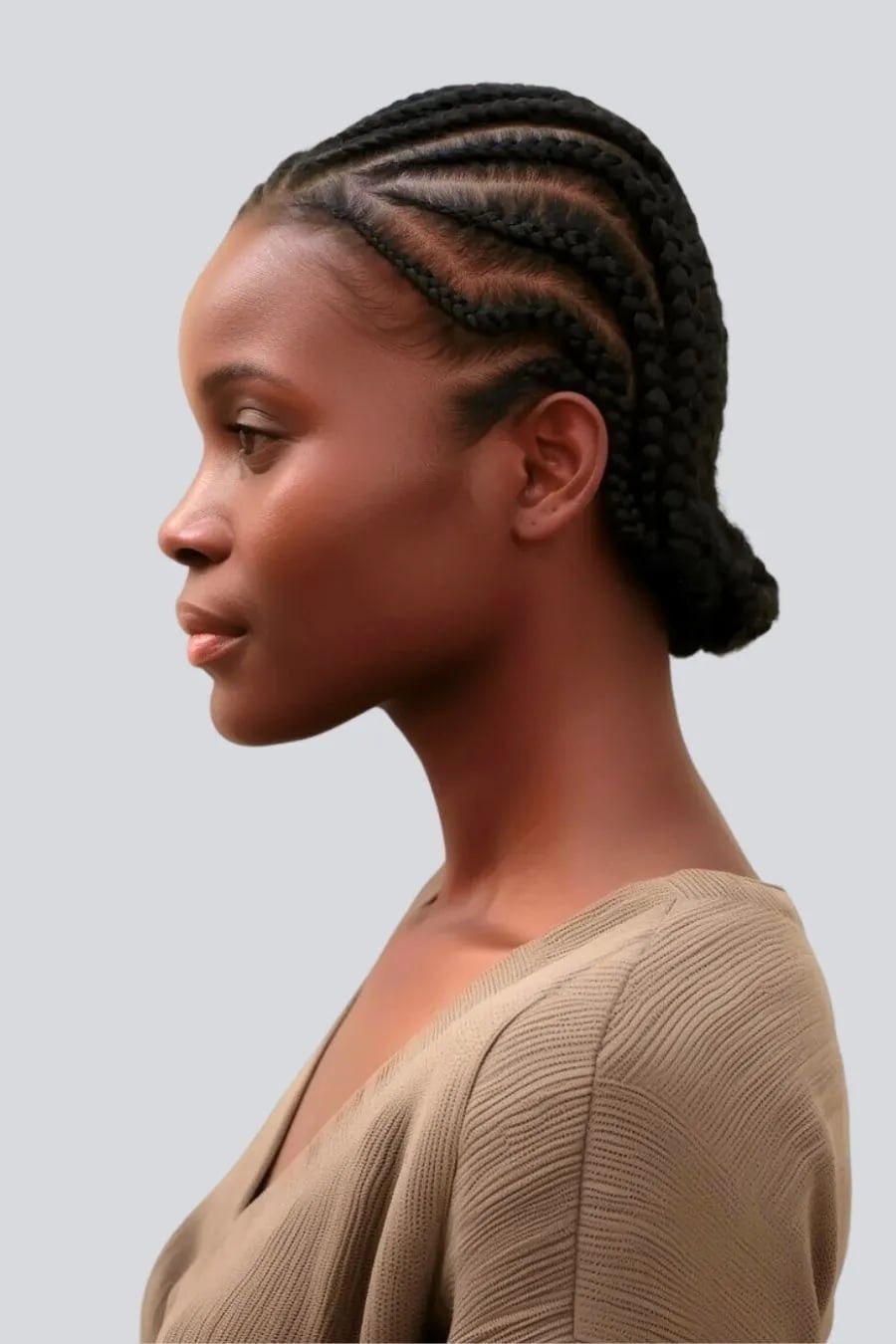
Who should wear intricate cornrows to mid-back? Anyone with dense, coily hair who wants a polished style. The side view here shows the cornrows starting at the front hairline and running in clean, uniform lines to the nape, then continuing down to mid-back. The black hair and thick texture emphasize the precision of each braid.
Ask your stylist for intricate cornrows to mid-back. The middle parting keeps the pattern symmetrical and highlights the braiding technique. This is a salon-only style that takes several hours to install, and the braids typically hold their shape for weeks.
Knotless Braids With Subtle Highlights
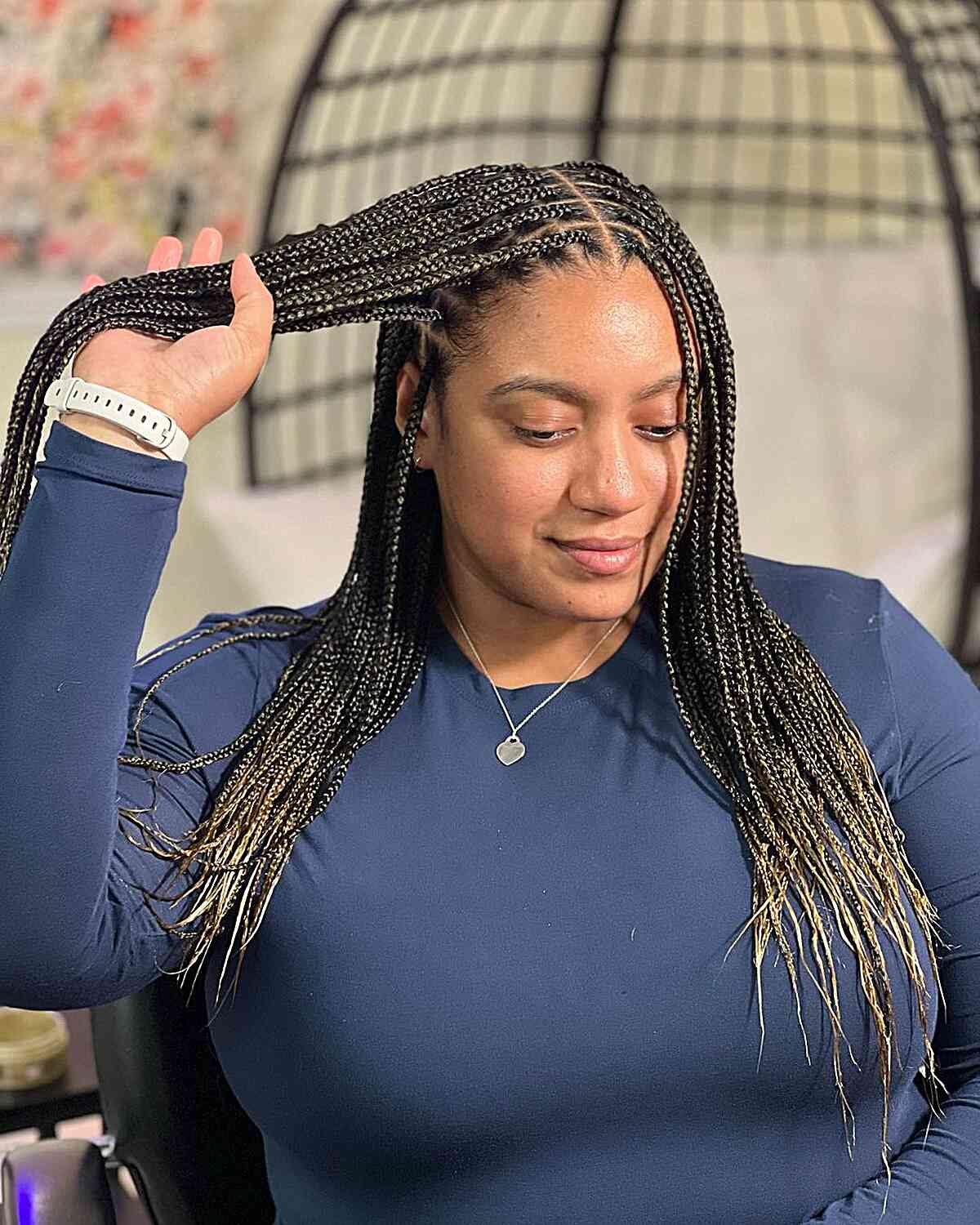
The knotless technique means the braids lie flat against the scalp from the start, no bulky knot at the root. These mid-back length braids are black with subtle highlights that catch natural light, and the straight, thick texture keeps each braid uniform. The front view shows how the clean finish and middle parting create a neat, professional look. Ask your colorist for mid-back knotless braids with subtle highlights. The highlights are added during installation, so the tone stays consistent from root to end. To keep the braids smooth, a silk scarf or bonnet at night prevents frizz and preserves the sleek finish.
Long Uniform Box Braids
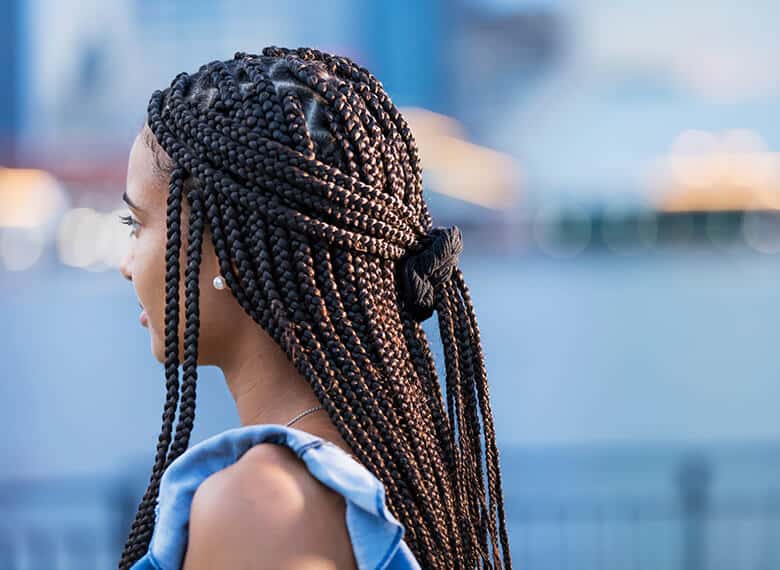
Long uniform box braids are the classic choice, but how do they compare to knotless braids? Box braids start with a visible square knot at the root, which gives them a more structured, defined look against the scalp. These dark brown braids reach mid-back and are styled straight, as seen from the back. The thick, straight texture keeps each braid the same width from root to end.
Ask your stylist for long uniform box braids. A salon is the only way to get the even partings and consistent tension this style demands. Styling at home means keeping them neat, not creating them from scratch: a braid refresher spray extends the life between washes.
Extremely Long Flowing Box Braids
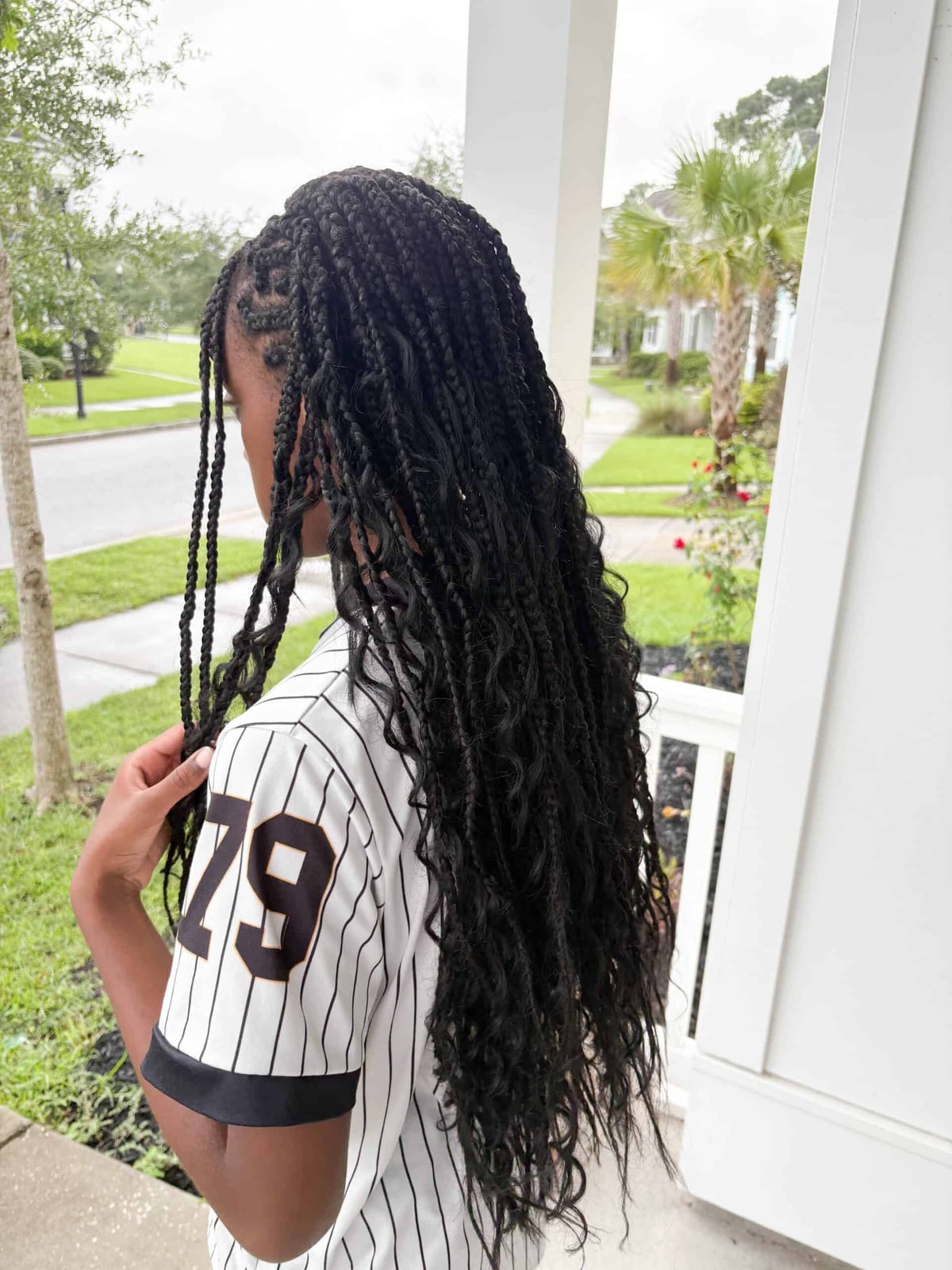
Extremely long box braids that extend past mid-back have a dramatic visual weight, but there is a trade-off. The fine, wavy texture and curly ends shown here mean the braids are lighter than they look, which reduces scalp tension. The subtle heart shape braided near the nape is a decorative detail that requires a skilled hand.
Ask your stylist for extremely long flowing box braids with curly ends. The honest drawback is maintenance: the length increases the risk of tangling at the ends, and the fine texture means the braids can fray over time. A satin bonnet at night and a mist of water to refresh the waves help, but expect more frequent touch-ups than a shorter style.
Large Box Braids With Laid Edges
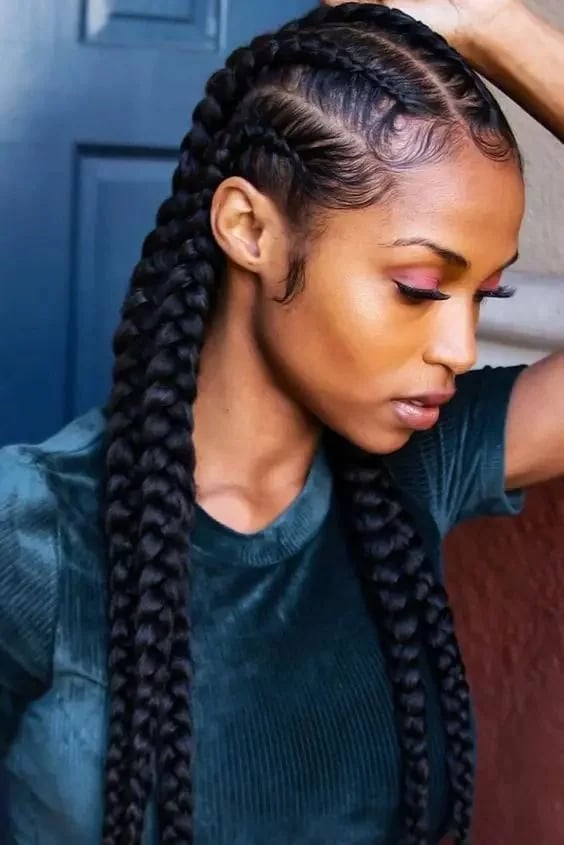
Ever wondered how to get that polished finish where the edges of your braids lie perfectly flat against your scalp? For thick, coily hair at mid-back length, large box braids with a middle part and laid edges deliver a clean, graphic look. Ask your stylist for: large box braids with neat parts and laid edges. The size of each braid makes the installation faster than micro styles, and the laid edges keep flyaways in check for about three weeks before a touch-up. A light gel brushed along the hairline each morning keeps the hold going.
Dense Micro Braids
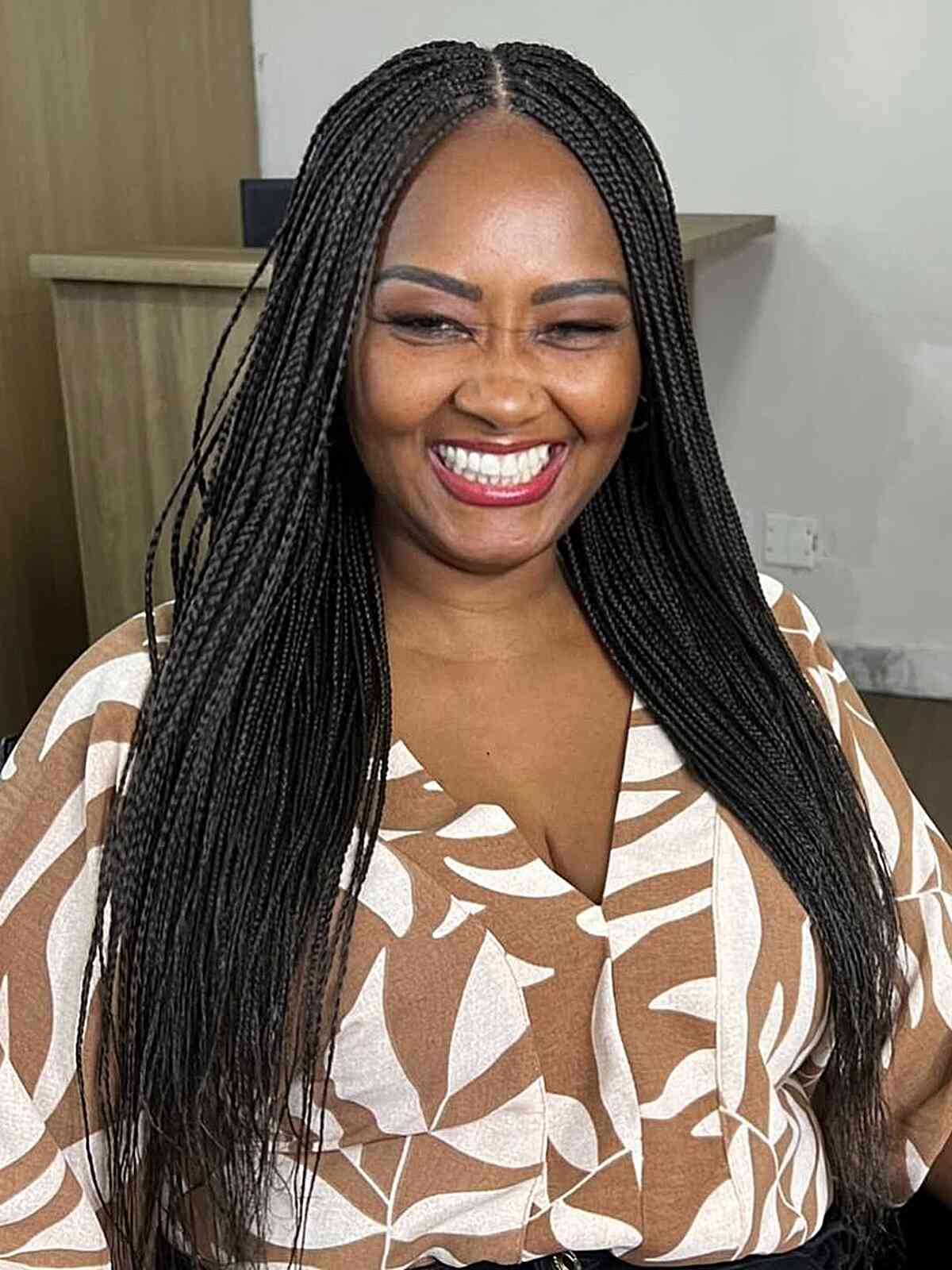
Micro braids at mid-back length pack a lot of visual weight into a fine, straight texture. The black hair is divided into a middle part and braided into dozens of thin sections that, together, create a dense, full look. This density suits anyone with fine or low-density natural hair who wants the volume of a thicker style without adding extensions.
Straight, uniform micro braids also hold their shape for weeks with minimal effort. The trade-off: the same density means a longer installation session. Ask your stylist for: long dense micro braids. Expect to sit for several hours. This low-maintenance style needs only a light braid oil every few days to keep the scalp comfortable.
Box Braids With Loose Wavy Curls
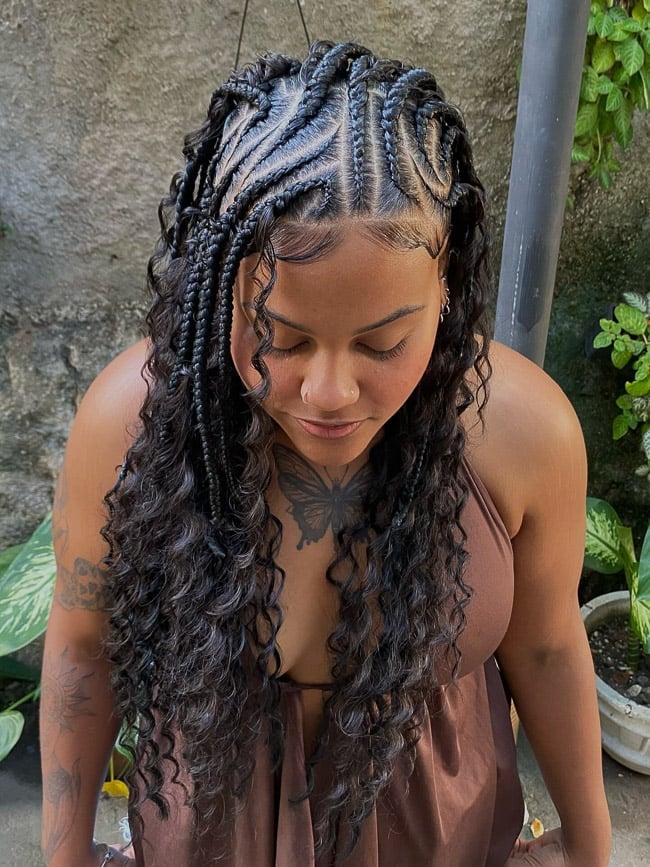
This style splits the difference between structure and freedom. Neat box braids run from the middle part down to about ear level, then the remaining mid-back length falls into loose, wavy curls. The braided crown stays tidy, while the wavy section moves with natural texture.
Technically, it requires the braider to stop the plait halfway down the hair strand, leaving the ends unbraided and free to curl. The result works for both everyday wear and special events where you want a style that is polished but not overdone. Ask your stylist for: mid-back box braids with loose wavy curls. A curl refresher spray on the loose sections keeps the waves defined between washes.
Neat Cornrows To Shoulder Length
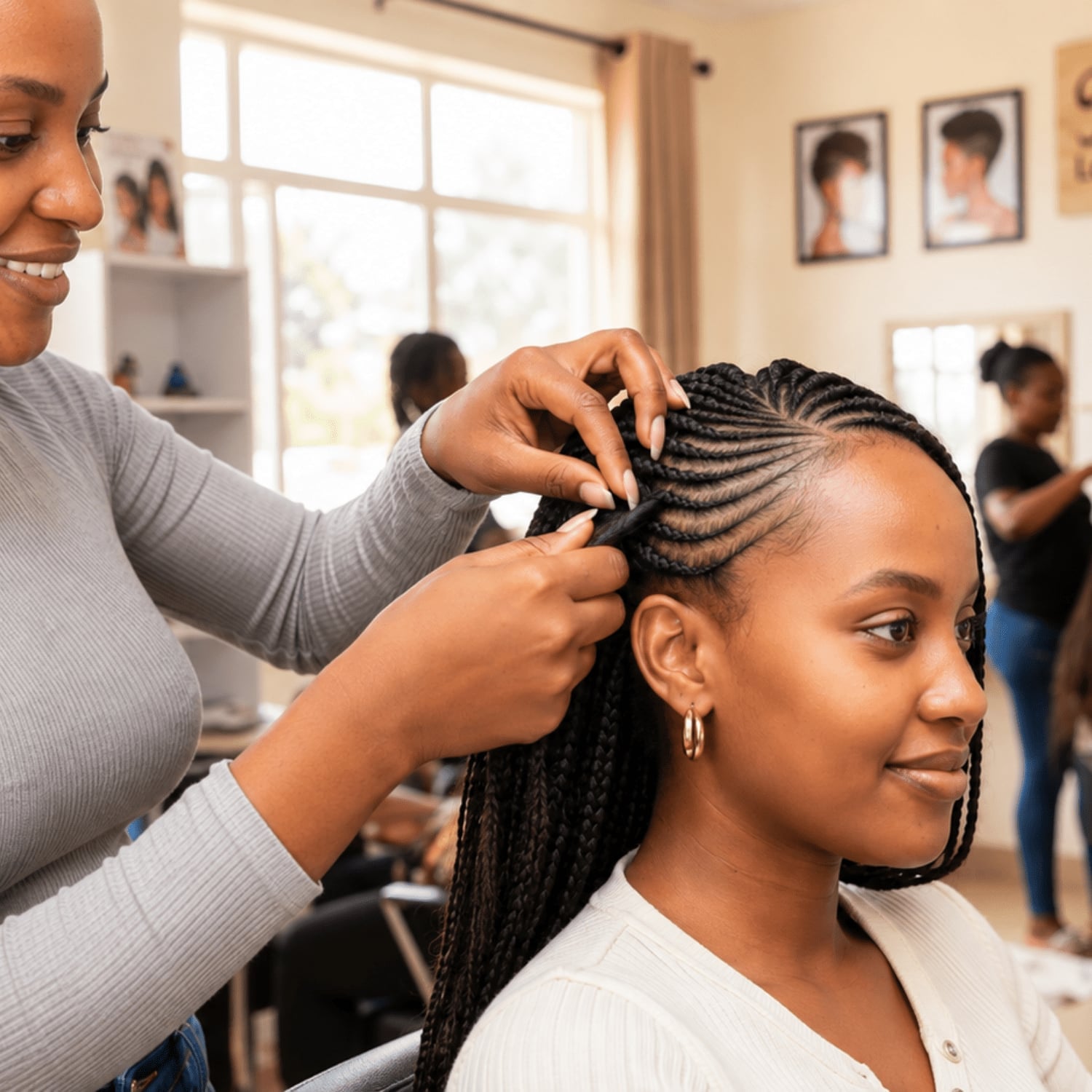
How do you keep cornrows from looking fuzzy by day three? Start with a shoulder-length canvas and a clean middle part. Thick, coily hair is braided close to the scalp in straight rows, and the shorter length means less weight pulling on the roots. Ask your stylist for: shoulder length neat cornrows. The wear reality: a light edge control gel smoothed over the hairline each morning keeps the parts crisp. A braid spray on the scalp every two days handles hydration. Expect a trim every eight to ten weeks to keep the ends from unraveling. The side view shows the neatness best, with the braids sitting flat against the head.
Long Box Braids With Wavy Ends, Mid-Back
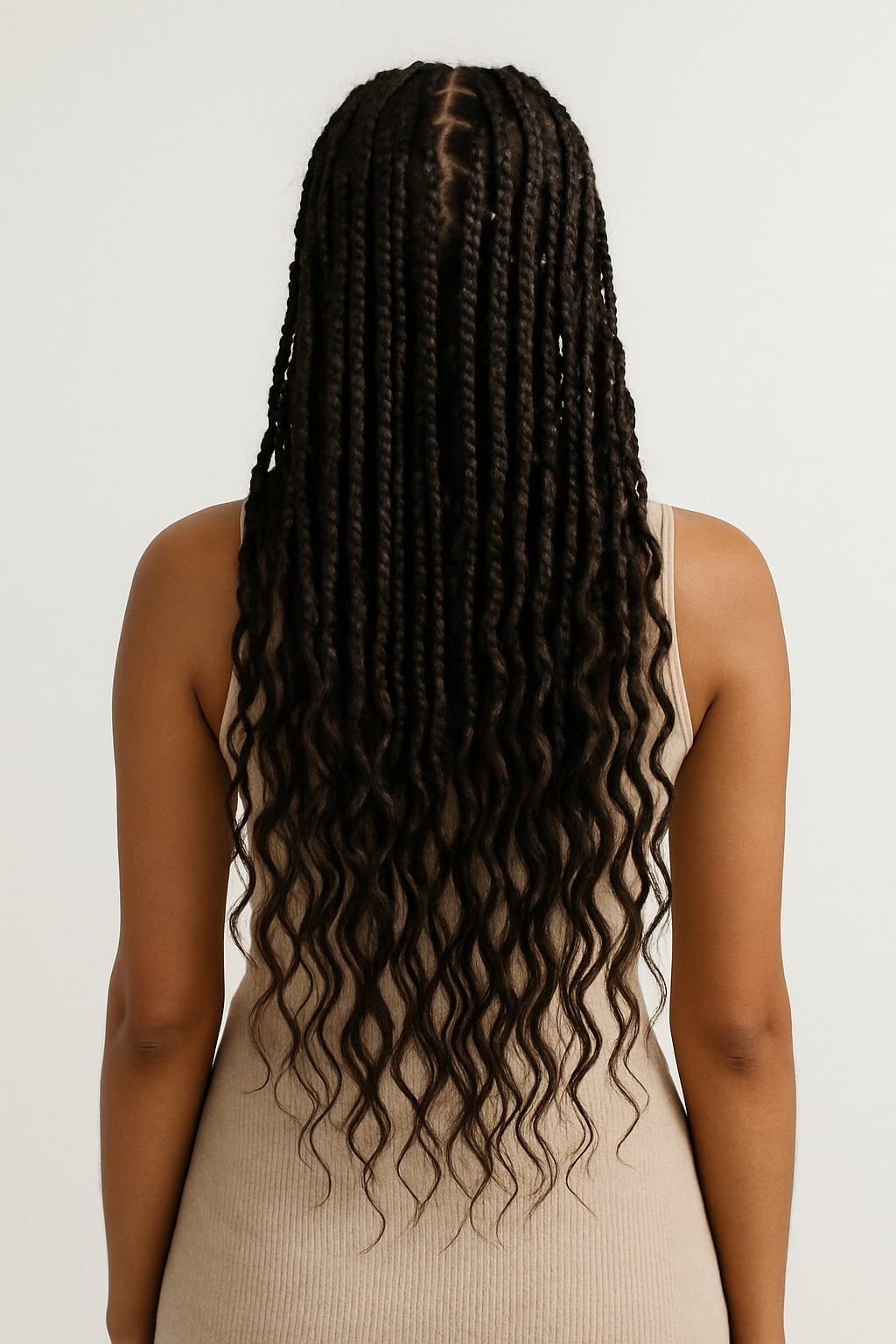
Long box braids in dark brown extend to mid-back, with the ends left loose and waved instead of braided to a point. From a rear view, the uniform braiding pattern covers most of the length, then transitions into soft, wavy texture. The contrast gives the ends a styled finish.
The wavy ends are the most vulnerable part. They can frizz or tangle faster than the braided sections, especially in humidity. A salon install is required for even part lines and consistent braid tension. Seal the ends with conditioner every few days, and plan for a trim every ten to twelve weeks to keep the waves defined. Ask your stylist for: long box braids with wavy ends. The trade-off is worth it if you like the look of braids with the movement of loose hair.
Final Thoughts
When choosing your next braid style, let your maintenance tolerance be the guide. Uniformly sized braids with minimal accessories are the low-fuss route, while patterned cornrows or beaded accents demand a bit more attention but deliver more drama.
- Trim braids or twist-outs every 8-12 weeks to maintain shape.
- Refresh cornrows or micro braids with a light moisturizing spray as needed.
- Protect braids at night with a silk or satin bonnet or scarf.
- Cleanse your scalp with a diluted shampoo or braid spray between salon visits.
Embrace the artistry and versatility of your natural hair with braids.

