
Long curly hair in 2027 is about sculpted shapes and strategic layers, not just length. Soft face-framing layers and curtain bangs now lead the conversation, with lived-in color that grows out quietly instead of demanding a salon rescue every six weeks.
This collection gives you 17 cuts to consider, from low-upkeep mid-back shapes to full fringes that need a morning routine. It suits round, square and long faces, medium to thick density and coily or wavy texture. If your curls fall flat by noon or your last fringe refused to sit, the answer is usually a different layer placement, not more product. Long Curly Hair works best when the cut does the shaping.
Voluminous Long Layers With Defined Curls
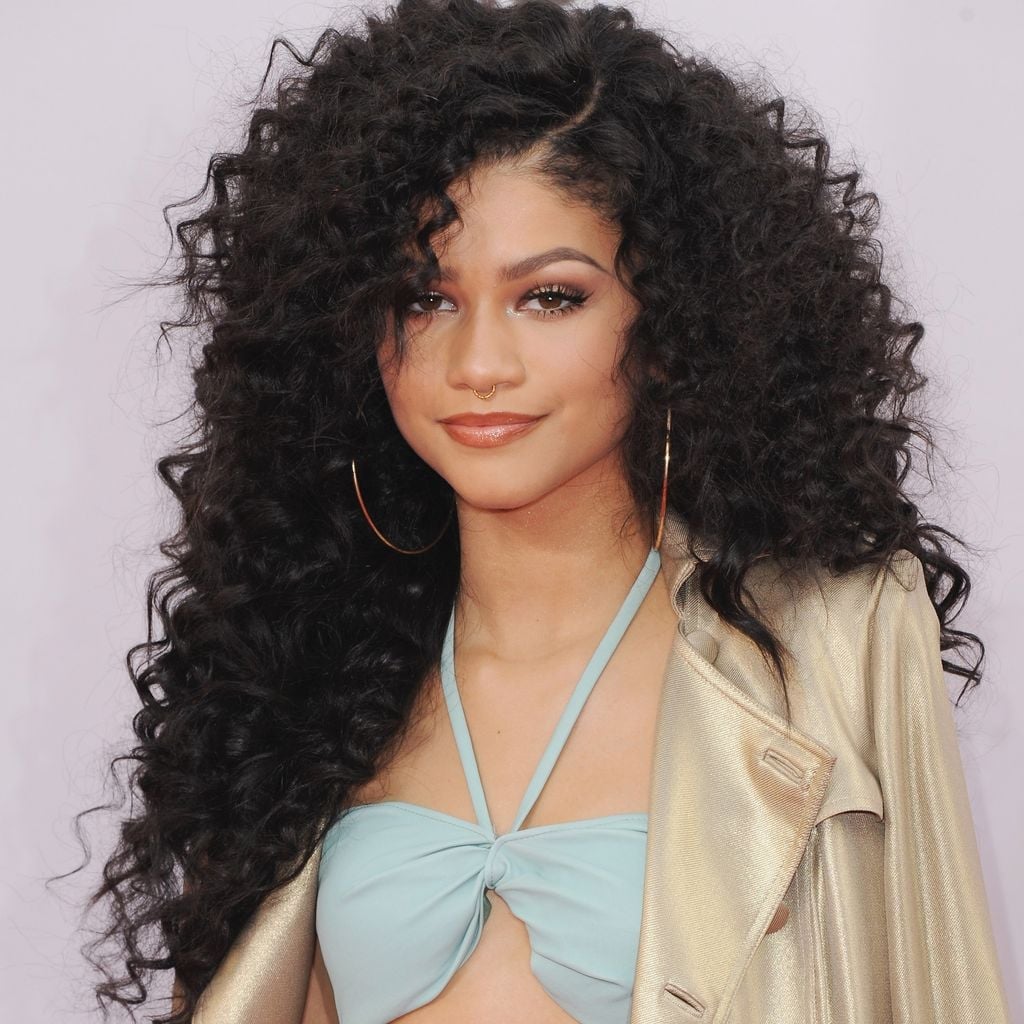
Layers do the heavy lifting in this cut, and the middle parting splits a curtain of dark brown curls that falls well past the shoulders. The shape works because the shortest layer sits around the jaw and the rest cascade from there, so thick, high-density curls get room to expand instead of collapsing into a triangle. If your hair is fine or low-density, ask for fewer, longer layers: too many steps in thin curls read as stringy rather than voluminous. This is long layered curly hair at its most straightforward, and it earns the length. Ask your stylist for: long layers, keep length, enhance natural curl. Air-dry with a curl-enhancing product and book a trim every 10 to 12 weeks to keep the ends from dragging the shape down.
Mid-Back Curls With Subtle Highlights
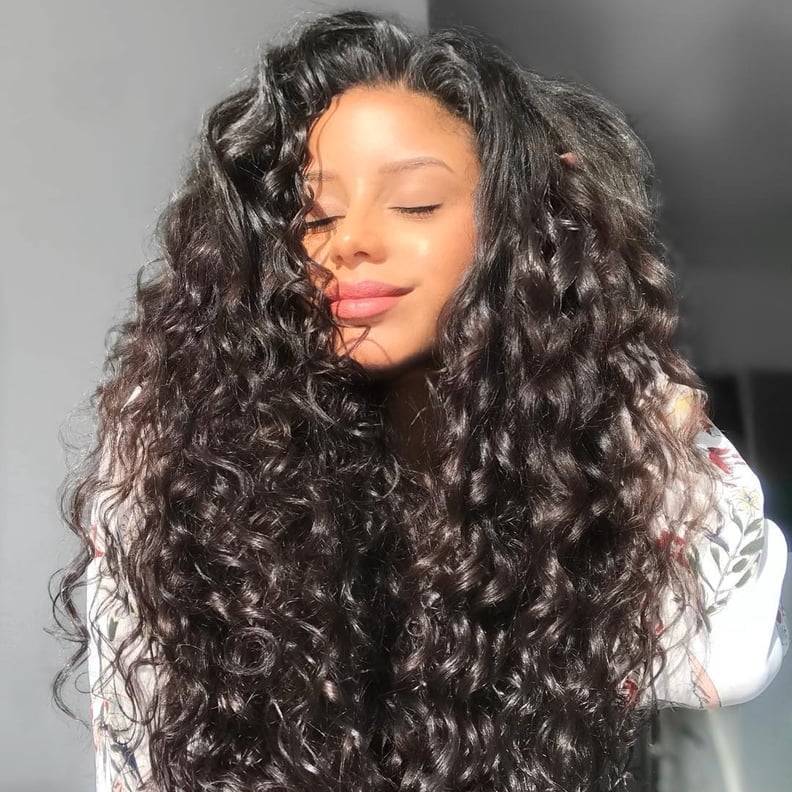
What separates subtle highlights from a full color job? Placement, and how much of the base you leave alone. Here the dark brown stays the dominant note, with lighter pieces woven through the mid-back length so the curls catch light at the bend rather than at the root. On thick, curly texture that matters: a highlight sitting on the surface of a tight spiral gets lost, while one placed along the curve of the wave shows up every time the hair moves. The cut is layered, no bangs, parted in the middle, and the whole thing air-dries into voluminous curls without a round brush in sight.
Ask your colorist for: subtle highlights, dark brown base, keep depth. Ask your stylist for: mid-back length, layers, keep volume. Upkeep runs on two clocks: a trim every 8 to 10 weeks to keep the layers from growing out lopsided, and a gloss or tone every 6 to 8 weeks if the lighter pieces start pulling warm. Diffuse on low heat to set the curl pattern, and let the hair cool completely before you touch it.
Defined Curly Bangs On Mid-Back Hair
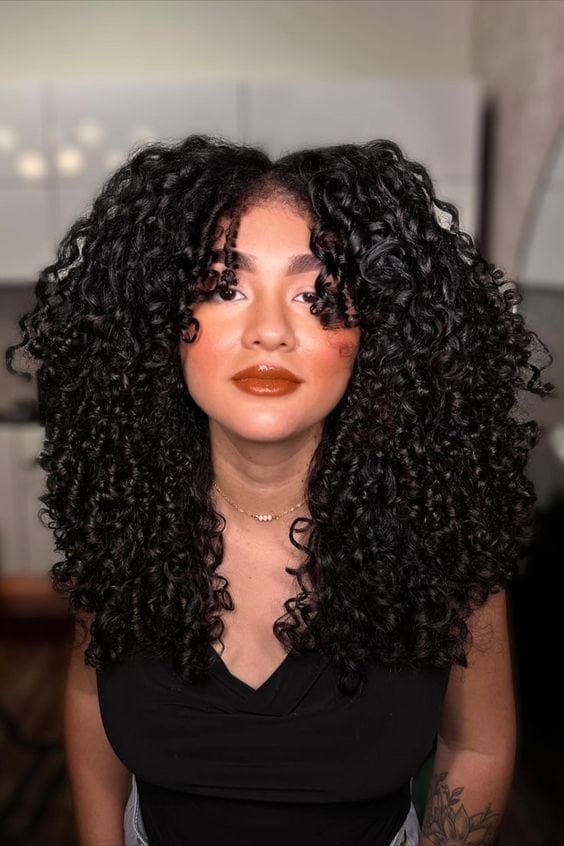
Curly bangs are a separate cut from the rest of the hair, which is why they go wrong so often: a stylist who treats them as a trim of the front layers will leave you with a short, blunt wall of curl across the forehead. The version here is defined and springy, cut to sit with the middle parting and the mid-back length rather than fighting it. Thick, high-density curls can carry a full curly fringe; finer textures should ask for a lighter, more broken-up edge so the bangs do not swallow the rest of the shape. Ask your stylist for: mid-back length, defined curly bangs, layers. Then keep the requests specific:
- Cut the bangs dry, curl by curl, so the final length is what you see.
- Leave enough length to shrink up to the brow once dry.
- Blend the sides into the face-framing layers, no hard corners.
Golden Caramel Curly Shag With Full Bangs
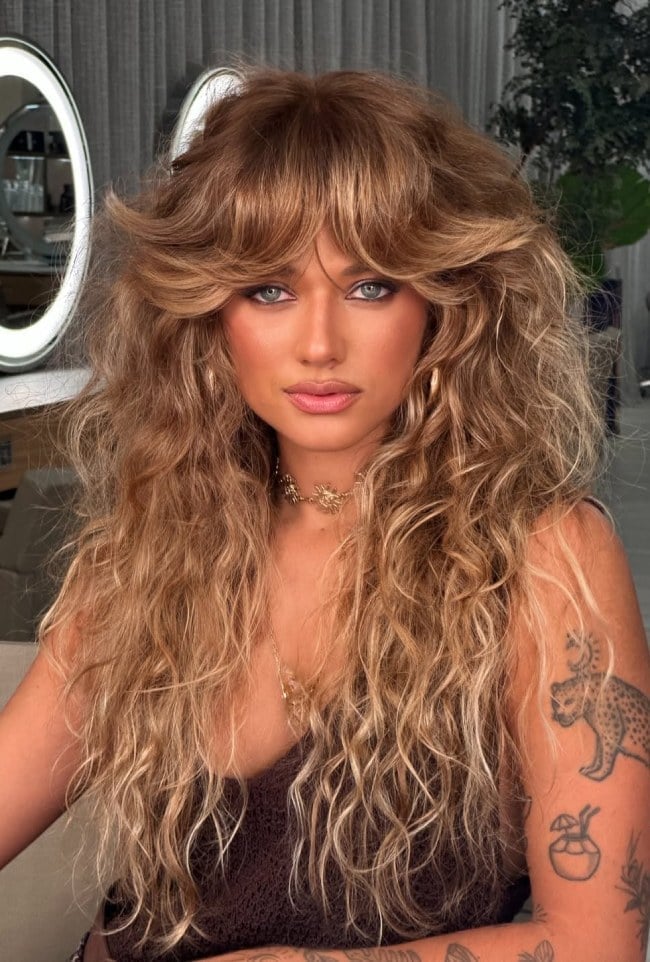
A curly shag and a long layered cut both remove weight, but they do different jobs. Layers take bulk from the bottom and keep the length honest; a shag cuts shorter pieces throughout, so the shape gets rounder and the ends look choppier on purpose. This one runs to mid-back in golden caramel blonde, with full bangs, and the volume is the point. It suits medium to thick curls that already have a tight pattern, because the shorter pieces need something to spring from. Fine curls can wear a shag too, just ask for fewer, longer steps so the cut does not thin out.
Ask your stylist for: mid-back curly shag, full curly bangs, golden caramel blonde. The color needs a salon visit for the initial lift, then a tone every 6 to 8 weeks to keep the caramel from drifting brassy. Bangs want a trim every 4 to 6 weeks, and a sea salt spray roughs up the shag texture between washes.
Mid-Back Curly With Full Fringe Volume
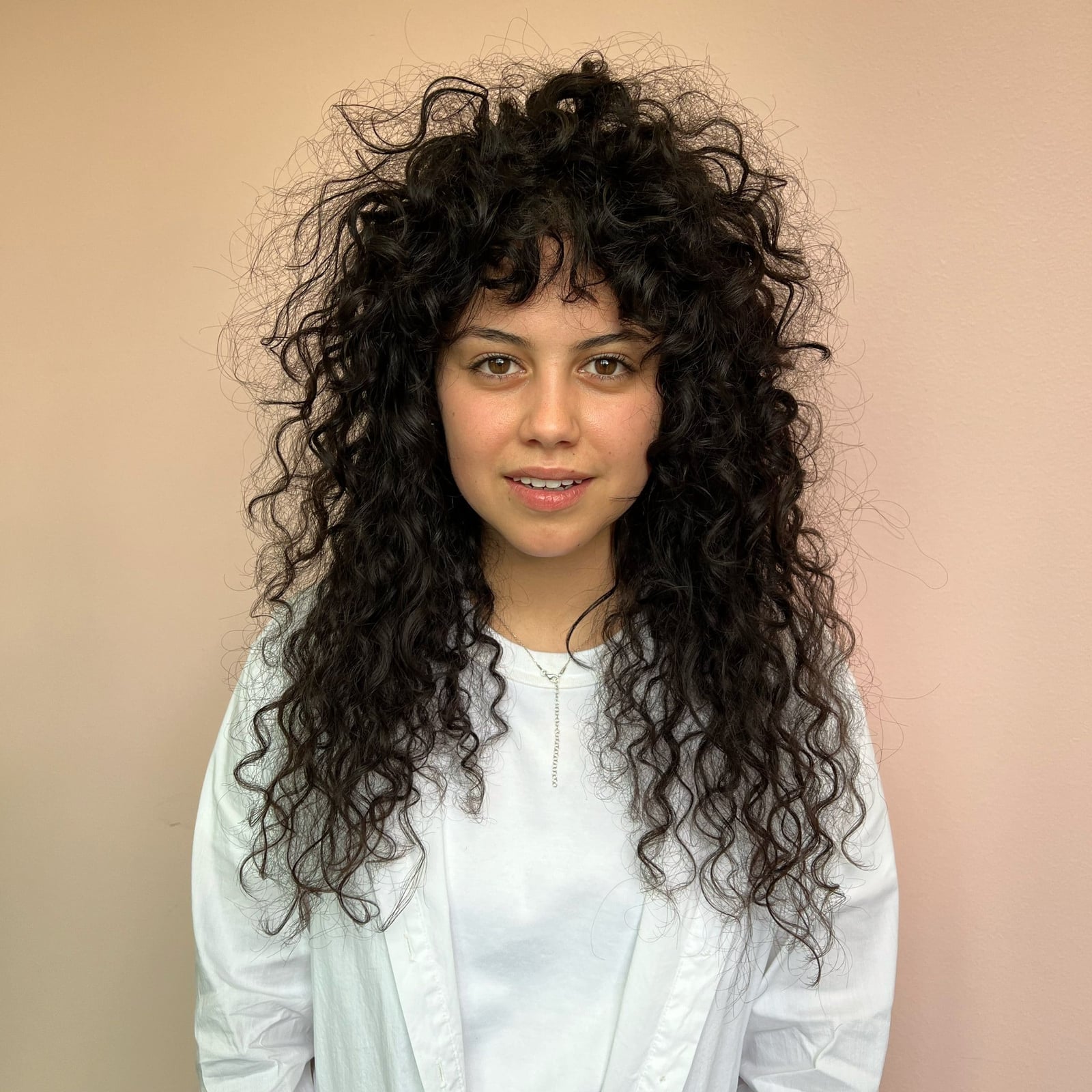
Volume is easy to cut in and hard to live with, so the rule for a full fringe on thick curls is simple: the bangs need their own routine. This cut is mid-back length, dark brown, layered, with a full fringe, and the density is the whole story. Abundant volume looks great on day one and turns into a curtain across the eyes by day three if the fringe is styled flat against the forehead. Treat it as a separate zone. Apply a mousse to the fringe before air-drying so the curls clump and hold, then let the rest of the hair dry with a curl cream and no hands on it.
Ask your stylist for: mid-back length, full fringe, keep density. Ask for the fringe cut dry and slightly longer than the final target, since thick curls shrink a full inch as they set. The trim rhythm splits in two: bangs every 6 to 8 weeks, the rest of the cut every 10 to 12. If your hair is high porosity, expect the fringe to drink product and frizz first; a light leave-in on damp bangs handles it.
Shoulder Length Curls With Short Bangs
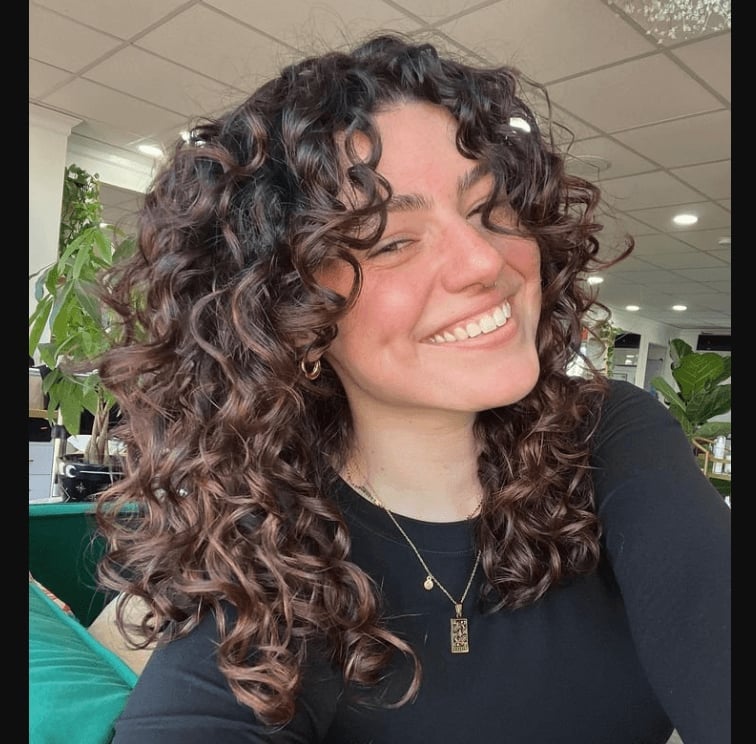
Defined spiral curls meet their match with short curly bangs, a design that asks for precision. This shoulder length cut suits medium to thick curly textures with enough density to let those bangs land without looking sparse. Ask your stylist for: shoulder length, short curly bangs, caramel highlights. The trade off? Those bangs need a trim every six to eight weeks, and a small diffuser is your best bet for encouraging them to curl forward. This is a salon project, not a kitchen scissors situation.
Shoulder Length Red Curls With Blonde Highlights

What makes a red base with blonde highlights work for shoulder-length curls? The contrast keeps the shape from reading as one flat block of color. Medium-density curly hair at this length lets the vibrant red and subtle blonde pieces catch light at different points. Ask your colorist for: shoulder length, vibrant red color, blonde highlights. The combination lands well in cooler months, when a warm, statement shade feels like the sensible choice. A toning conditioner once a month keeps the red from turning brassy, and a trim every eight weeks preserves the shape.
Shoulder Length Voluminous Curls
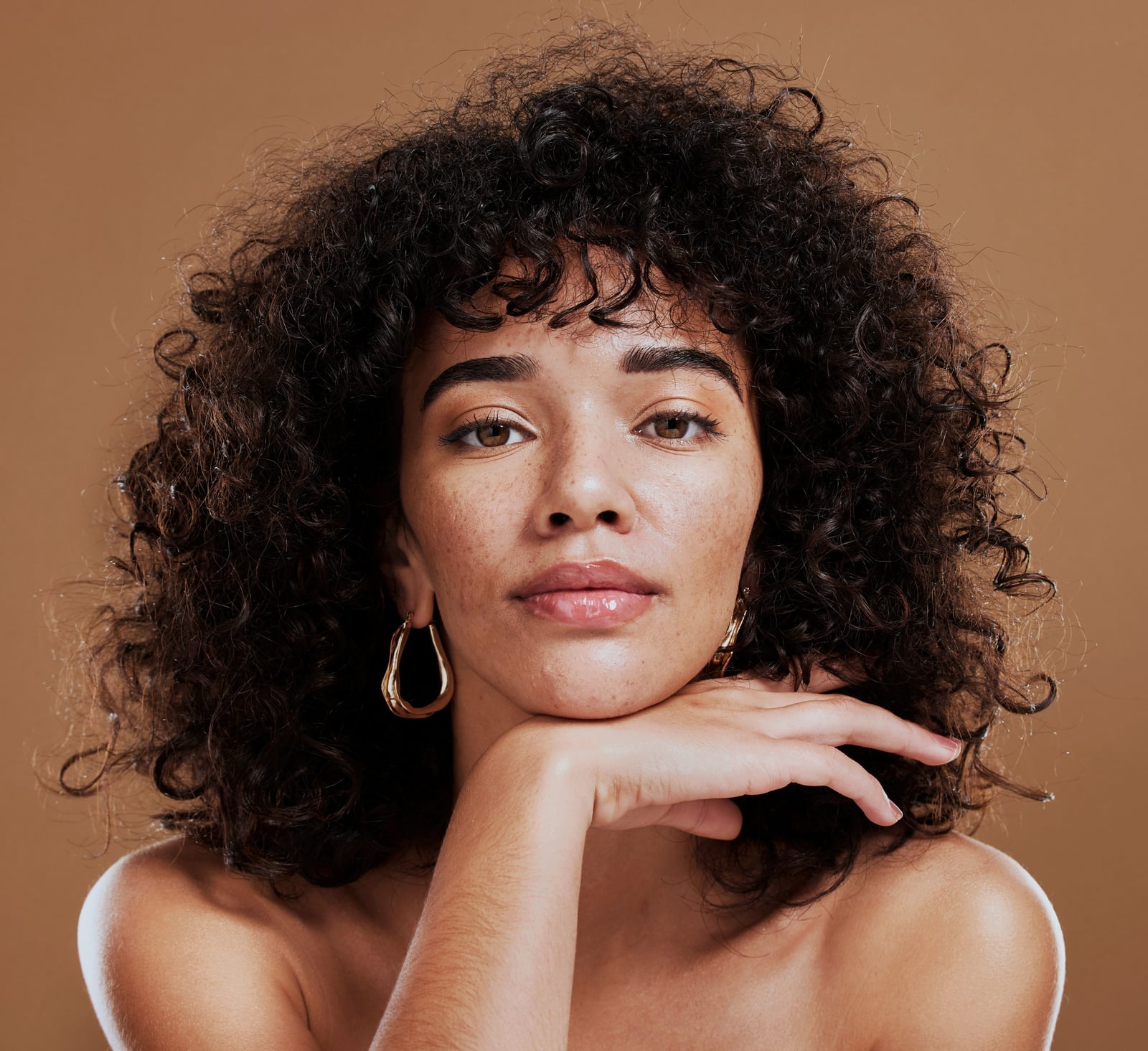
Thick, dark brown curls at shoulder length can go one of two ways: triangle-shaped or voluminous. This cut chooses voluminous, with a side parting that lifts the root on one side and layers that remove weight instead of adding bulk. It genuinely flatters thick curly textures that have enough density to hold shape at this shorter length. Ask your stylist for: shoulder length, maximize volume, defined curls. If your hair is fine or low density, the same cut can fall flat rather than full, so consider a longer starting point. A lightweight mousse on damp hair, scrunched and left to air-dry, gets the most out of the curl pattern without weighing it down.
Side parts also help round faces by breaking up symmetry, and the shoulder length keeps the overall shape from pulling downward. A trim every eight to ten weeks maintains the volume without losing the line.
Mid-Back Defined Curls With Side Part
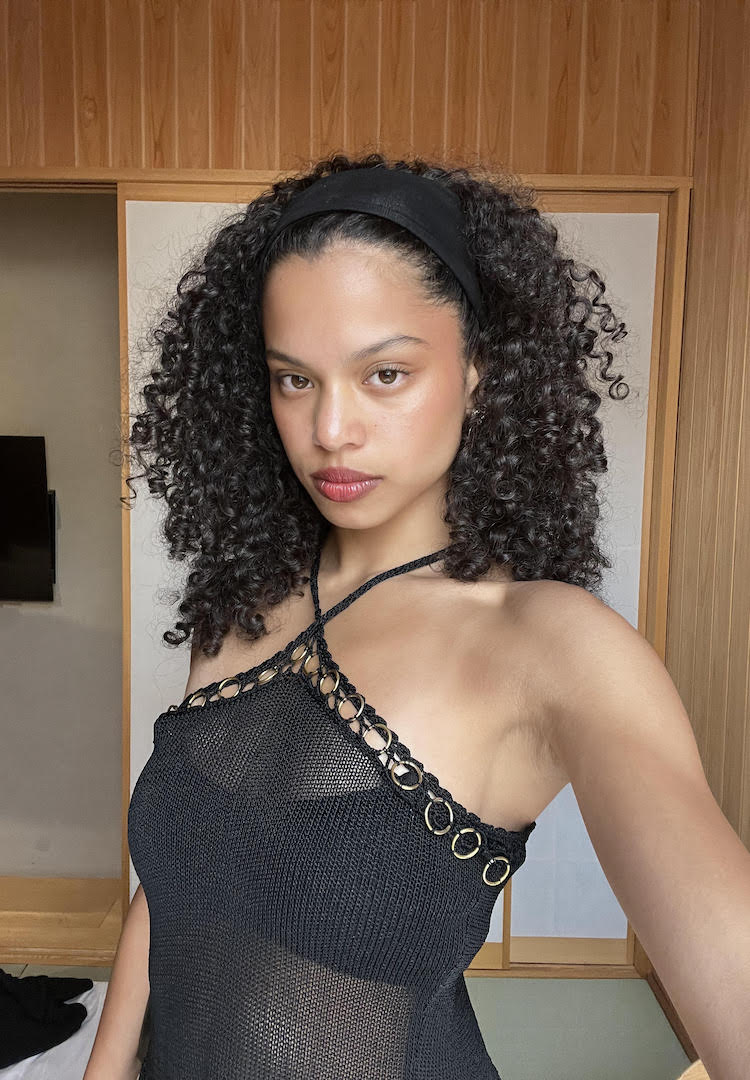
A side part on mid-back, thick curly hair does more than just change the part: it shifts the curl distribution so one side sits higher and fuller. The visible layers here are cut into the shape, which gives the medium-sized, defined curls room to fan out instead of stacking into a single column. This works best on thick textures that can hold a curl without product overload. Ask your stylist for: mid-back length, defined curls, visible layers. A wide-tooth comb to detangle and a leave-in product applied before air-drying keep the pattern intact without creating crunch.
Mid-Back Curls With Soft Curtain Bangs
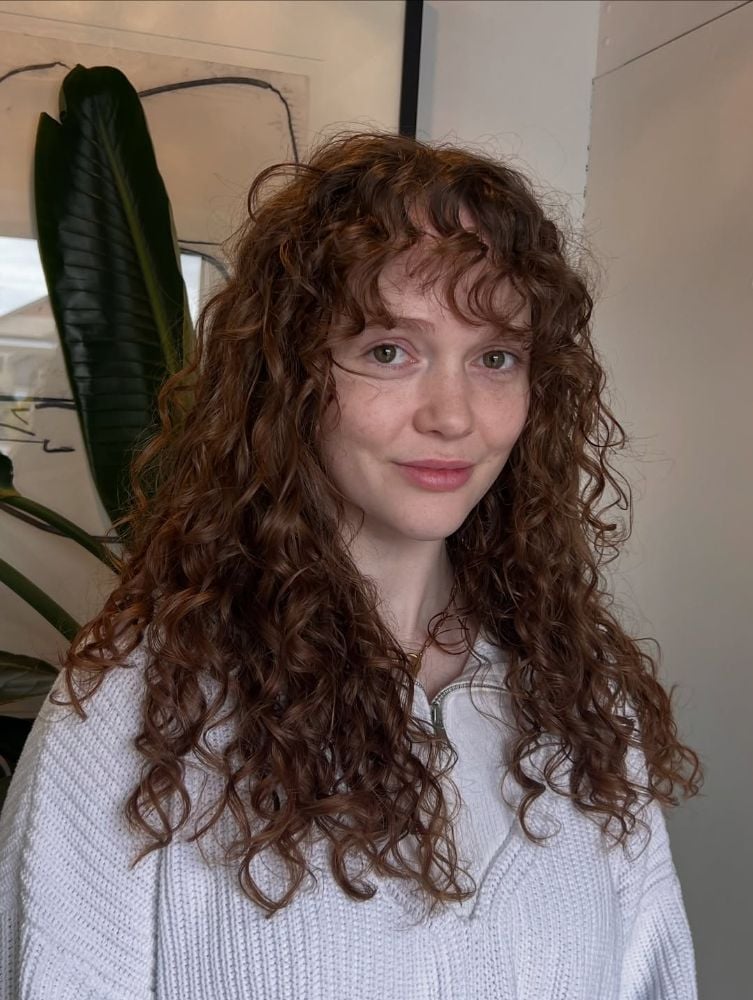
How do you add curtain bangs to curly hair without them turning into a separate, awkward curl clump? You ask for soft curtain bangs that are cut dry and blended into the layers below. This mid-back length works with medium-density curls that have enough weight to keep the bangs from bouncing up too short. Ask your stylist for: mid-back length, soft curtain bangs, defined curls. The key request is that the bangs be cut to sit at cheekbone level when dry, so they frame rather than disappear. Gently separate them with your fingers after air-drying, and schedule a trim every six to eight weeks to keep the shape from growing into an unplanned fringe.
Collarbone Waves With Face-Framing Layers
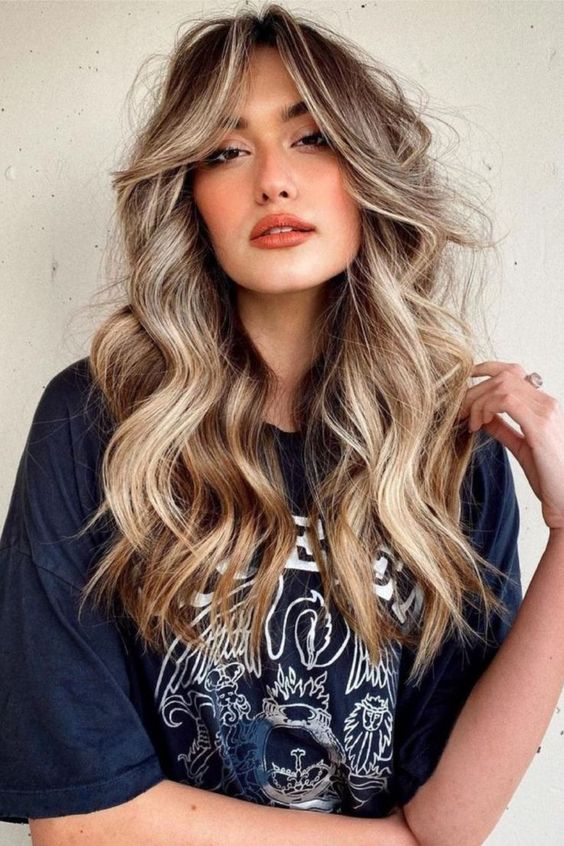
Face-framing layers pull the eye outward from the cheekbones while the curtain bangs soften the transition at the hairline. This collarbone length suits fine to medium density with a natural wave, since the cut removes enough weight to let the texture bend without going flat. Ask your stylist for collarbone length, face-framing layers, curtain bangs. The blonde balayage over a darker base adds depth, so the waves show dimension from root to tip. Daily styling takes about ten minutes with a round brush and a light mist on dry ends. Plan a trim every six to eight weeks to keep the layers from growing into an unflattering triangle.
Glossy Mid-Back Waves With Curtain Bangs
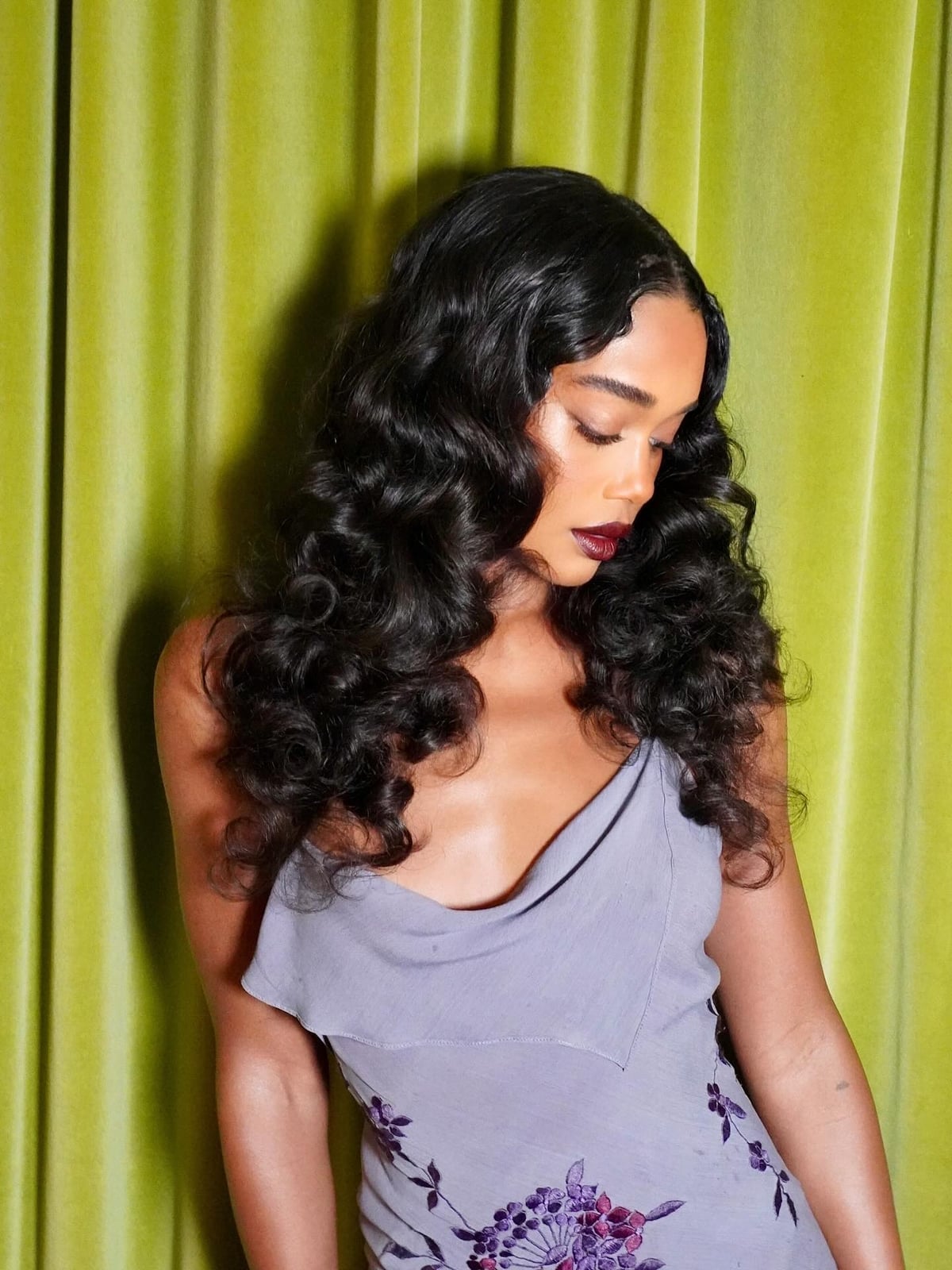
The glossy finish requires a trade-off. Wavy curls this shiny need a serum or a shine cream applied to damp hair before blow-drying, or the cut looks frizzy by midday. That effort pays off for medium to thick hair at mid-back length, where the hair helps the waves hold their shape. Ask your stylist for mid-back length, soft waves, glossy finish, curtain bangs. The subtle highlights break up the dark brown base so the movement is visible, not swallowed by a solid color. Skip this one if your hair is fine and tends to fall flat, because the length will drag the wave pattern down. A trim every eight to ten weeks keeps the ends looking sealed.
Mid-Back Loose Curls With Volume
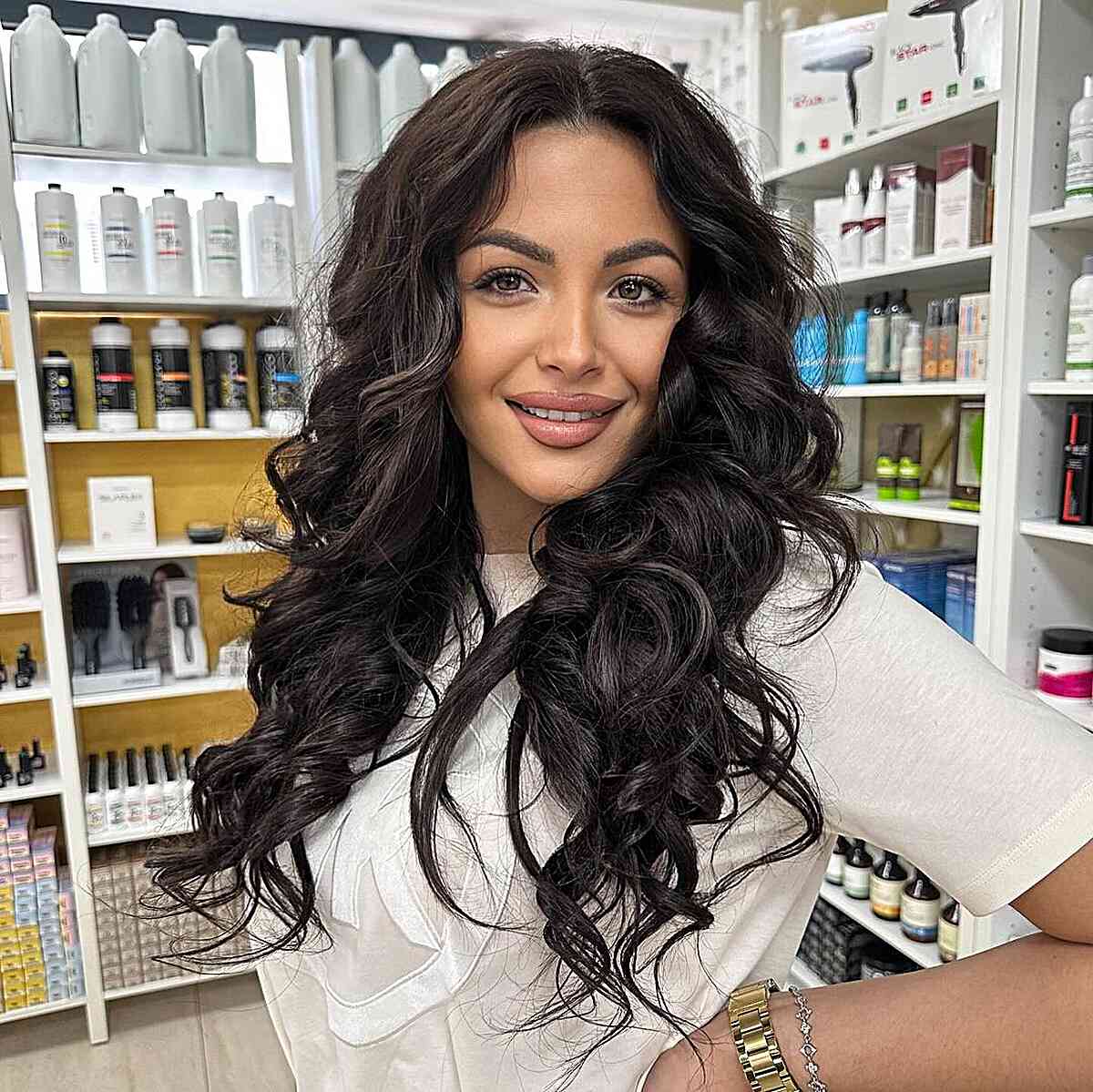
Who actually benefits from a cut built around volume and shine? Anyone with thick hair that already leans toward loose curls, because the layers are cut to lift at the crown and let the weight fall in a soft wave. A side parting keeps the shape from looking like a bell, and the subtle lighter highlights add depth so the movement is visible. Ask your stylist for mid-back length, loose curls, soft blowout, volume and shine. If your hair is fine or has a tight coil, this cut will not hold the intended shape; the blowout falls out and the volume goes with it. For those with the right density, a large barrel brush and a heat protectant get you there in about fifteen minutes. Trim every eight to ten weeks to keep the ends from splitting.
Long Blonde Cascading Curls
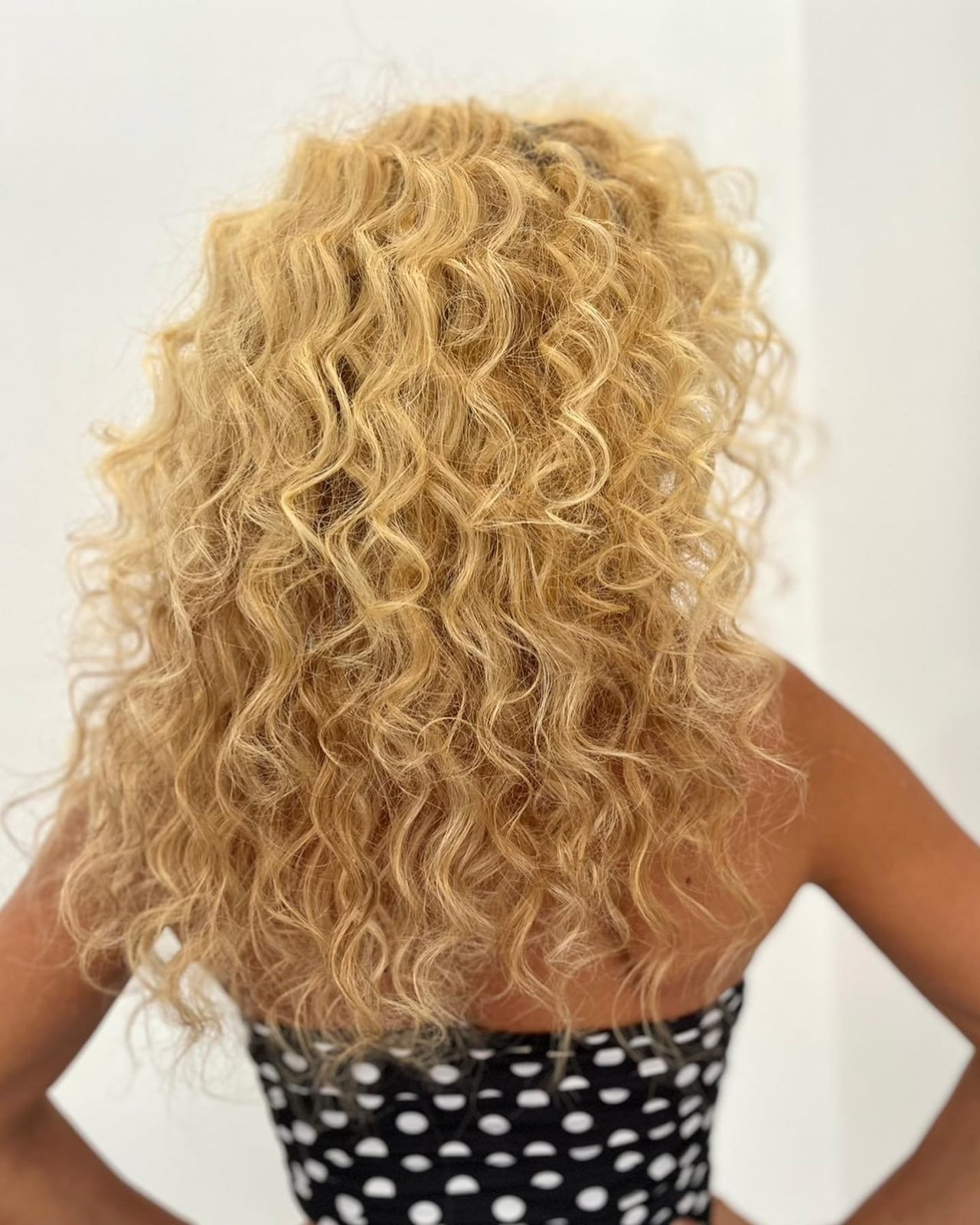
The cutting technique for cascading curls starts with layering from the mid-back length up, so each curl stack falls over the one below it instead of all landing in a single lump. Thick, long curly hair with medium to high density takes this shape best, because each curl pulls into a defined spiral. Ask your stylist for: long blonde hair, mid-back length, maximize volume. This is the rare cut that works air-dried, which is good, because a diffuser on this much hair is a commitment. To keep the blonde from going brassy, a color-depositing conditioner every other wash does the job. Trim every ten to twelve weeks, and the cascading silhouette holds its line.
What this cut does not do is hide a bad hair day, since the layers are cut to move separately. If your curls are fine or your density is low, the cascading effect turns into stringy pieces instead of full spirals. But for those with the right texture, it is the low-maintenance version of a statement cut.
Long Brown And Blonde Highlighted Curls
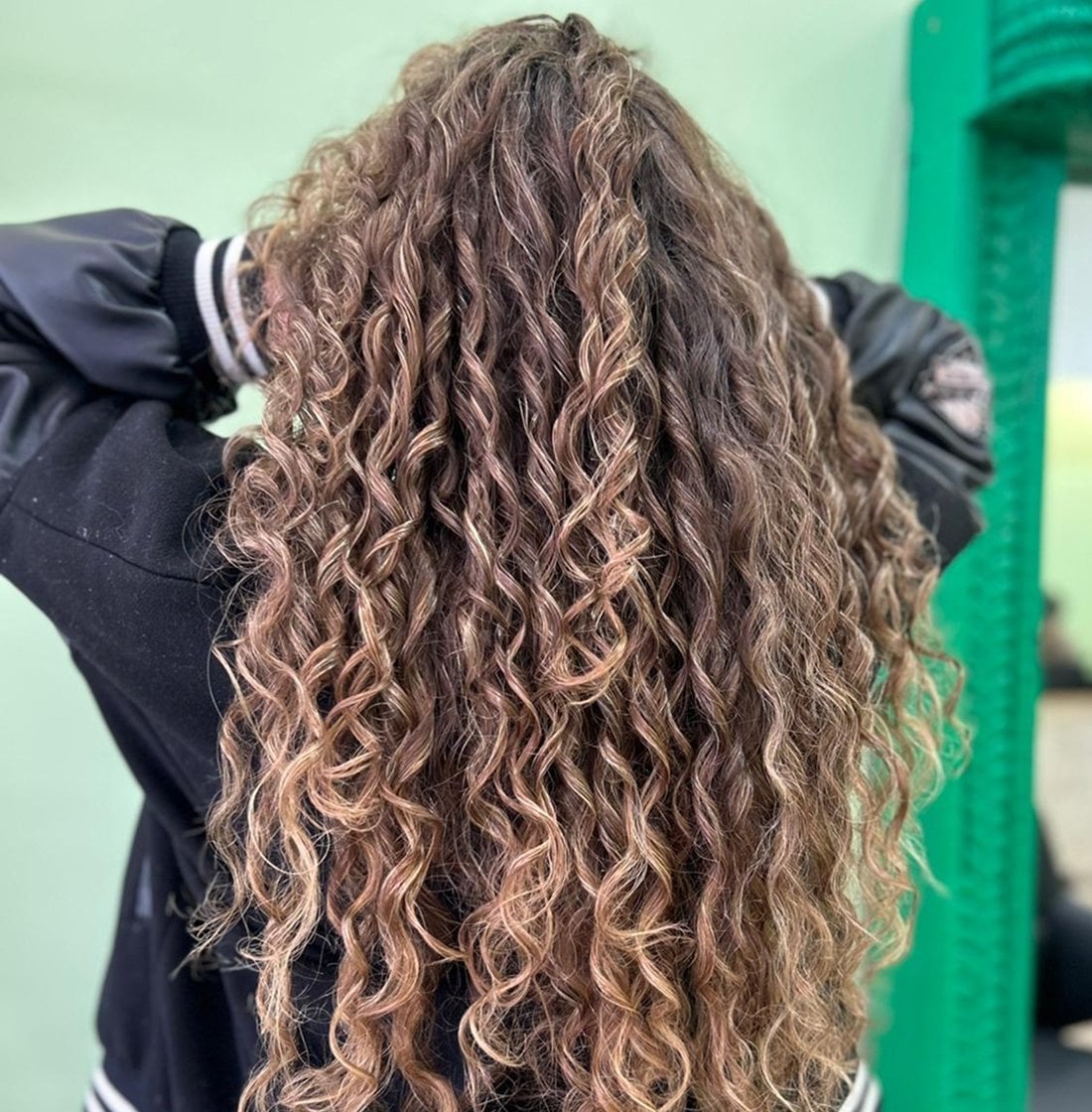
Set this against a solid brown base and the difference is immediate: the blonde highlights thread through the curls, so every spiral stands out as a separate shape instead of one dark mass. That dimension is the reason to choose highlights over a single color, but it comes with upkeep. The brown base needs a gloss every six to eight weeks to keep it rich, while the blonde pieces need a purple or blue shampoo weekly to stay bright instead of yellow. Ask your colorist for mid-back length, brown base, blonde highlights, long curls. Thick, long curly hair takes the color well because there is enough surface area for the highlights to show. Air-drying works here, with a curl cream to define the pattern. Trim every ten to twelve weeks to keep the ends healthy enough to hold the curl.
The alternative, a solid deep brown, hides the curl definition and makes the shape look heavier. If you want the volume to look deliberate, the highlights are the better bet. They cost more time in the chair, but they also make the daily styling easier, since the dimension does the work.
Mid-Back Curly Ponytail With Side Bangs
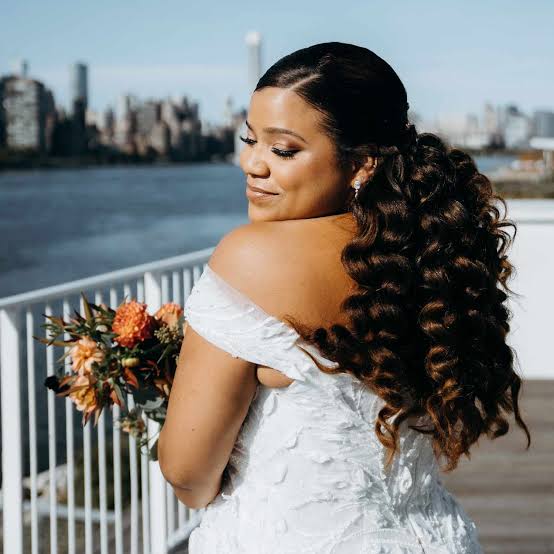
A high ponytail is the rare updo that actually flatters thick, dark brown curls, and this one proves it. The hair is gathered high on the head, letting the mid-back length cascade in a dense, voluminous curtain of defined spirals. Side-swept bangs break up the mass and keep the look from feeling too severe, which is a nice trick when you want dressy but not matronly. Ask your stylist for: mid-back length ponytail, side swept bangs, keep curl definition. To recreate it at home, start with damp hair and a curl cream, then gather everything high and secure with a soft-hold hair tie that won’t dent the texture. Pull a few front pieces loose, sweep them to one side, and let them air dry or diffuse for a few minutes. The whole thing takes about fifteen minutes, and a trim every eight to ten weeks keeps the ends from turning into frizz.
Extreme Length Black Curly Hair Volume
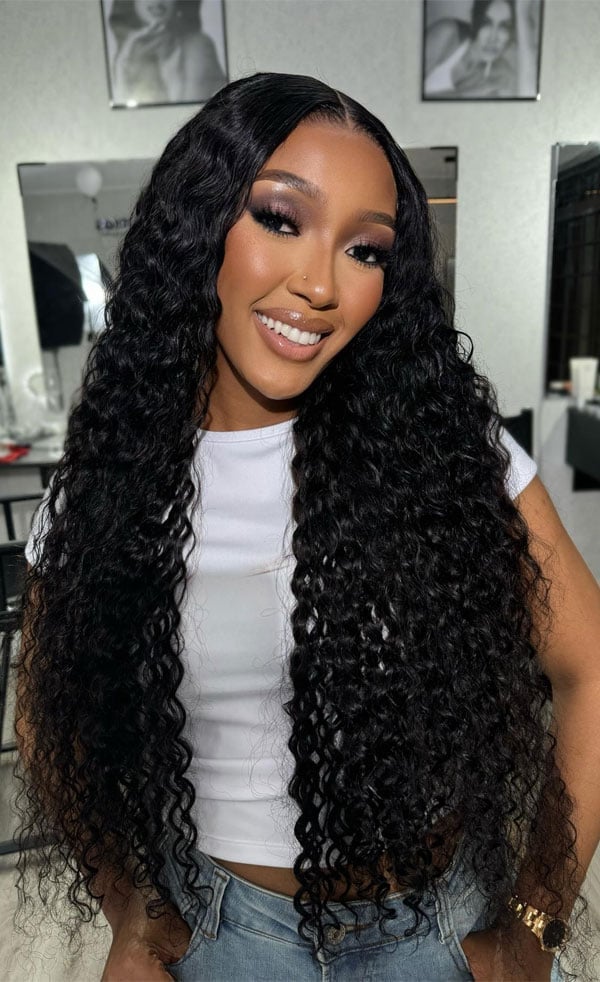
How do you keep extreme length from just hanging there like a wet curtain? This look answers with tightly defined black curls that fall all the way down, carrying serious volume from root to tip. Thick, high-density hair is best for this style, because the weight of that much length can flatten looser textures in a hurry. Ask your stylist for: extreme length, keep density, define tight curls. The cut is mostly about removing weight strategically, not about chopping off inches, so it is a salon job that takes a couple of hours.
The daily reality is that this much hair demands attention. Air drying is the goal, but you will need a diffuser for the roots if you want the volume to stay. Sleep on a silk pillowcase to keep the curl pattern intact, and refresh with water and a little leave-in conditioner between washes. The time commitment is significant: washing, conditioning and drying can eat a full morning, and a trim every twelve to sixteen weeks is required to avoid split ends traveling up the shaft. If you have the density and the patience, the result is a statement that needs no styling products to turn heads.
Final Thoughts
Use the density rule before you pick a photo. Thick, long curls need internal layers to shed weight and let definition show; medium-density curls need a shape that builds volume, like a shag or face-framing layers that start at the cheekbone. Fine curls do best with one blunt baseline and light layers only at the ends. Bring the photo to the consult and point at the layer placement, not the color.
- Trim every 8 to 12 weeks to hold the shape.
- Wash with a sulfate-free shampoo and conditioner.
- Apply curl cream or mousse to damp hair before diffusing.
- Use a heat protectant spray before any hot tool.
Embrace your natural texture with a cut that celebrates it.

