
Hiking hairstyles are built around one requirement: hair that stays where you put it while your hands are busy with a map, a water bottle or a steep scramble. Braids and pulled-back styles have moved toward lived-in color and glossy natural texture, which means trail hair no longer has to look like an afterthought.
Below are 19 hiking hairstyles, from short coily cornrows to loose waves for the easy miles, ranging from five-minute DIY to a salon braid appointment. They suit most lengths and densities, including fine hair that slips out of a ponytail by the first switchback and a fringe that refuses to sit under a hat. Pick your trail, then pick your hold.
Short Coily Cornrows Pulled Back
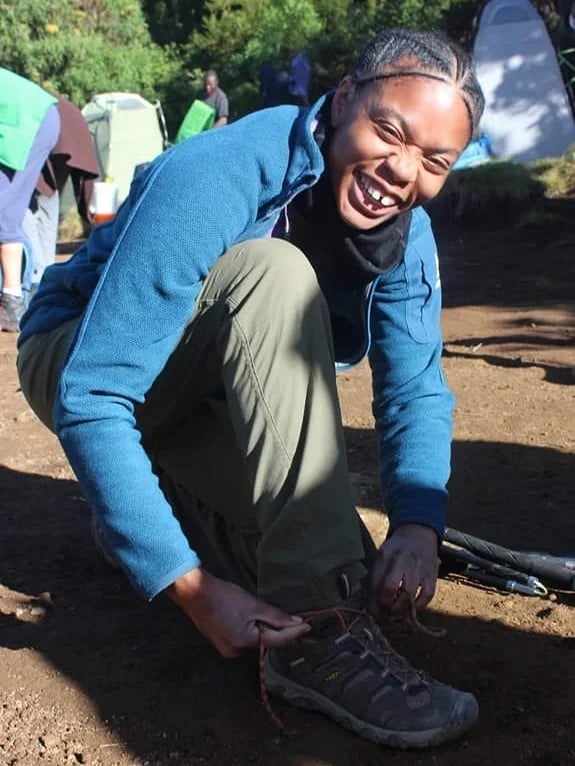
A set of short cornrows sits close to the scalp, each braid neat and uniform, pulling every inch of hair off the neck and forehead. This design works best for short coily textures that are at least two to three inches long; anything shorter and the braids won’t hold. Ask your stylist for: short cornrows pulled back. The style is fully DIY once you know the pattern, though a first-timer should budget a few hours. A light oil on the scalp every few days prevents dryness, and a touch-up is due every four to six weeks as new growth appears.
Long Black Box Braids Down Back
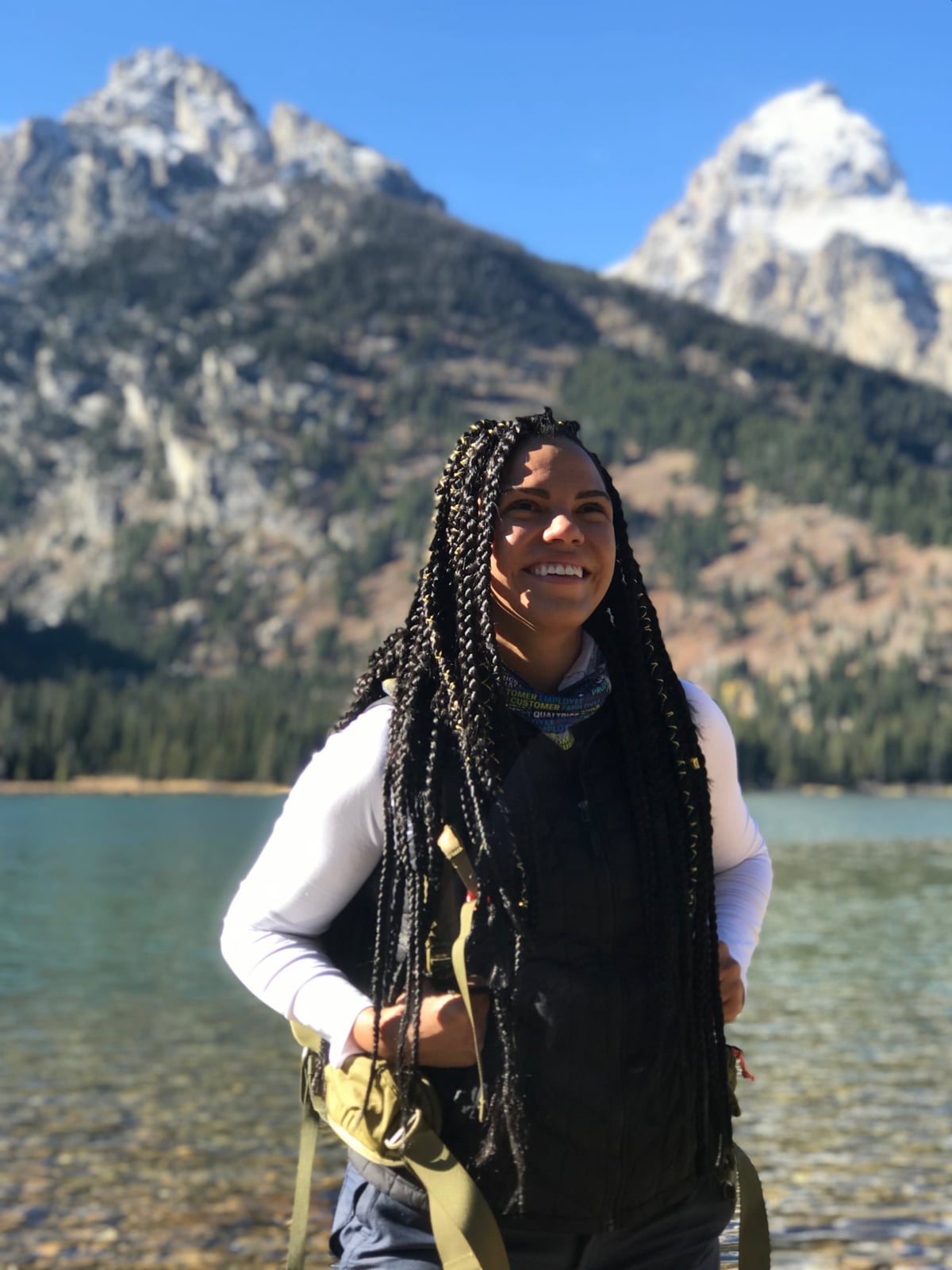
Each box braid is sectioned into a clean square at the root, then braided with synthetic or human hair extensions to reach mid-back length. The parting stays straight down the middle, and a few shorter pieces frame the front without interrupting the uniform line. Ask your stylist for: mid-back length long box braids. This is a salon-only project: installation takes four to six hours, and the braids stay intact for six to eight weeks with proper care. Wrap them in a silk or satin scarf at night to keep the partings crisp and reduce frizz at the edges.
Thick Wavy Red High Ponytail
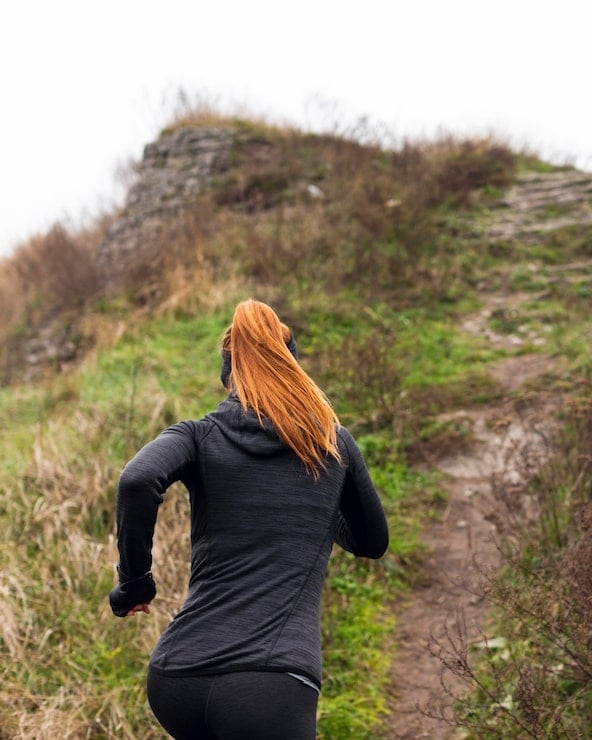
Is there a faster way to get thick hair off your neck on a warm trail? A high ponytail gathers everything up high, and the weight of the waves keeps it from swinging into your face. The red shade looks vibrant in full sun, but the key is the placement: high enough that a backpack strap won’t catch it. Ask your stylist for: high secure ponytail. A texturizing spray before the elastic adds grip for fine strands, and a dry shampoo refresh handles the humidity. This one is pure DIY, no salon needed.
Dark Brown Two Braids Collarbone Length
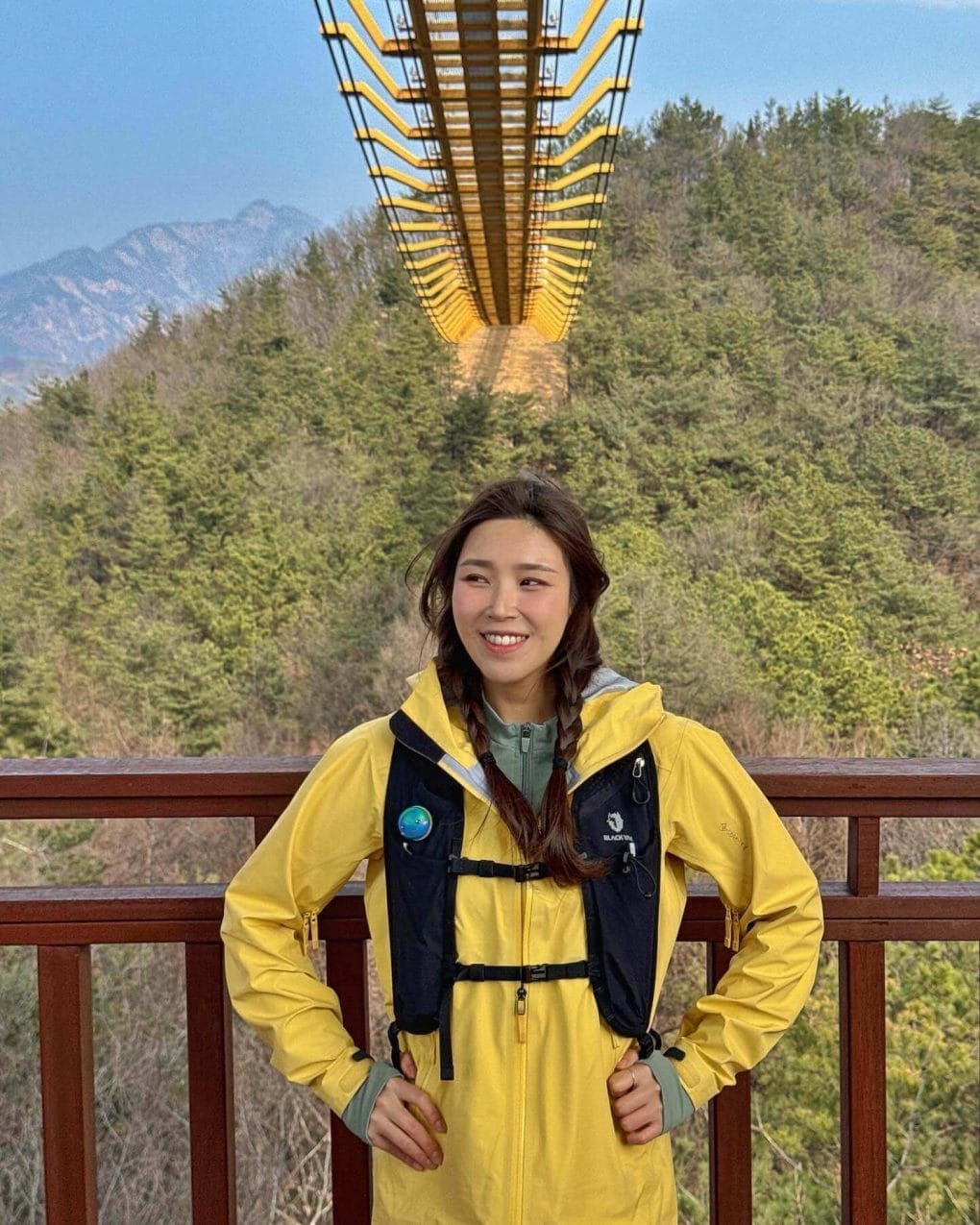
Two braids land right at the collarbone, parted neatly down the middle, each one secured with a small elastic. Compared to a single ponytail that can swing side to side, this style splits the weight evenly and stays put. The straight texture helps the braids lie flat rather than puffing up. Ask your stylist for: collarbone length two neat braids. Braid the hair while it is still damp for a smoother finish, then loosen the strands slightly after an hour for a softer hold. No salon time required, about ten minutes in the morning.
Medium Brown Wavy Single Braid
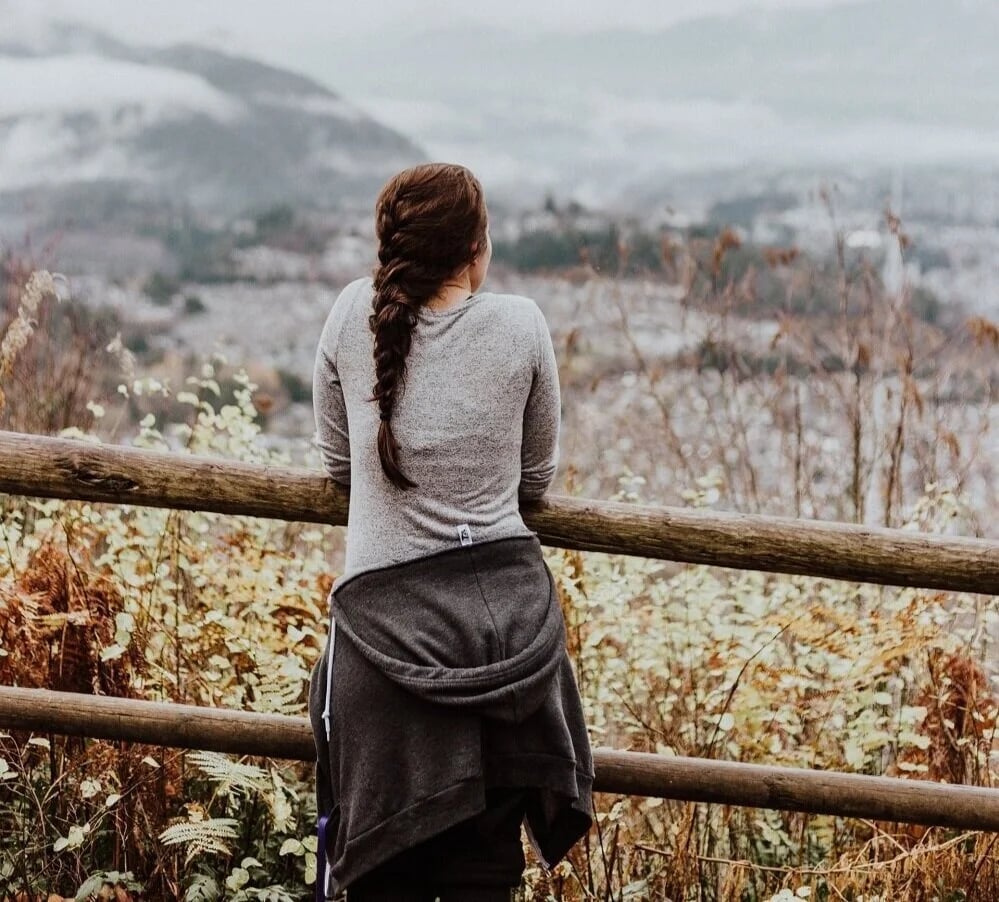
A single braid starts at the nape and travels down the center of the back, the subtle layers woven in so the end tapers naturally. The medium brown shade reads as one tone, and the wavy texture grips itself, meaning no elastic is needed until the very tip. Ask your stylist for: mid-back length single braid. This is a true DIY style, about five minutes from start to finish. A spritz of texturizing spray before braiding gives the waves enough friction to hold securely through a full day on the trail.
Thick Wavy Dark Brown Braid Front View
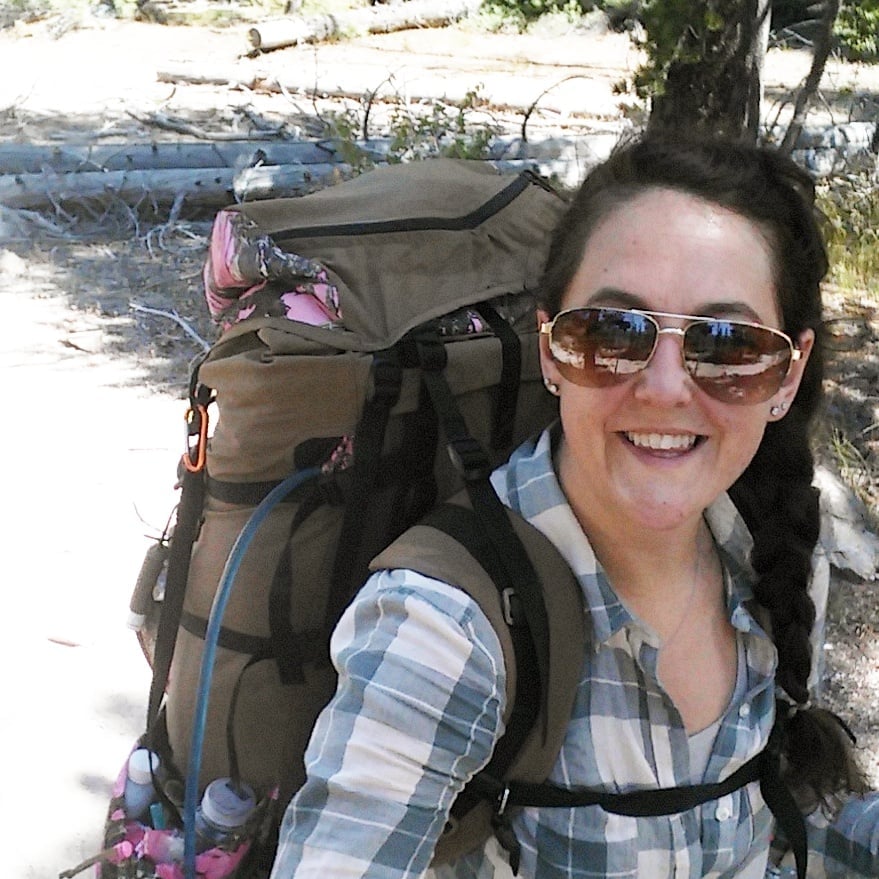
Does your thick, wavy hair have a habit of eating any braid you attempt within the first mile? A single braid down the back, secured with a middle part, is the answer for mid-back length dark brown hair with subtle layers. The trick is in the tension: pull the sections firmly but not tight enough to cause a headache under a backpack strap. Ask your stylist for: mid-back length single braid, middle part. A clean middle part, made with the tail of a comb before you start, keeps the finished braid from looking lopsided once you add a hat or sunglasses.
Medium Density Wavy Side Braid
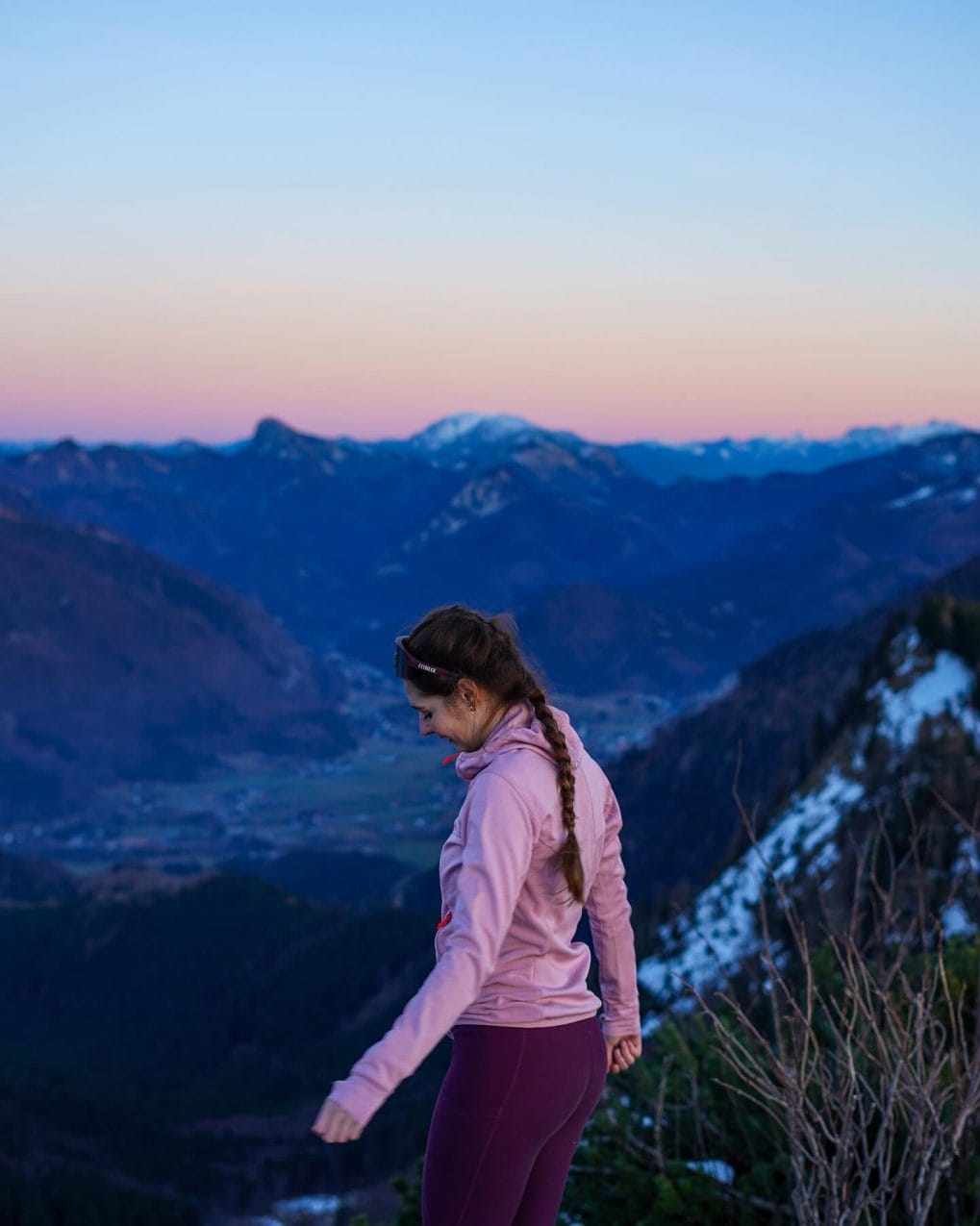
A side braid shifts the bulk off your spine, which matters when you are carrying a full pack for hours. For medium density, wavy brown hair with blonde highlights at mid-back length, a side braid sits comfortably against one shoulder and stays out of the way of straps.
Texturizing spray gives the strands enough grip to hold through a full day of elevation changes. Clear elastics at the end keep the finish invisible. The braid will loosen slightly as you move, which is fine. It adds volume without needing a redo.
Long Dark Brown Braid with Blonde Highlights
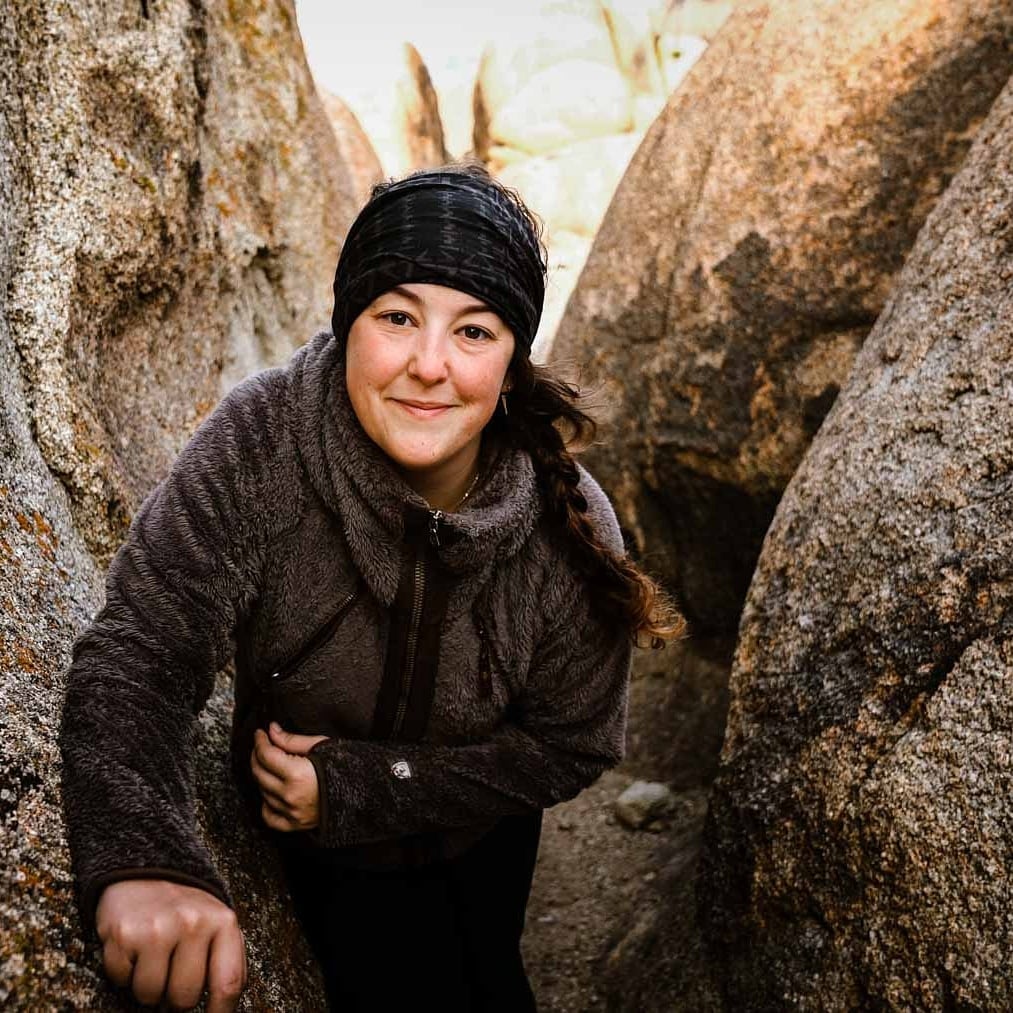
A thick side braid is the more practical cousin of wearing hair loose: it keeps the length contained but still lets the color show. Long, wavy dark brown hair with blonde highlights catches the light differently in a braid than it does loose, so the dimension reads without effort. A wide headband controls the shorter layers around the hairline that would otherwise escape into your eyes on a windy ridge. Ask your stylist for: long hair thick side braid.
The same braid that works for a morning summit works for an evening camp dinner. You just loosen a few face-framing pieces when you arrive. That versatility is the point.
Thick Wavy Blonde Shoulder Ponytail
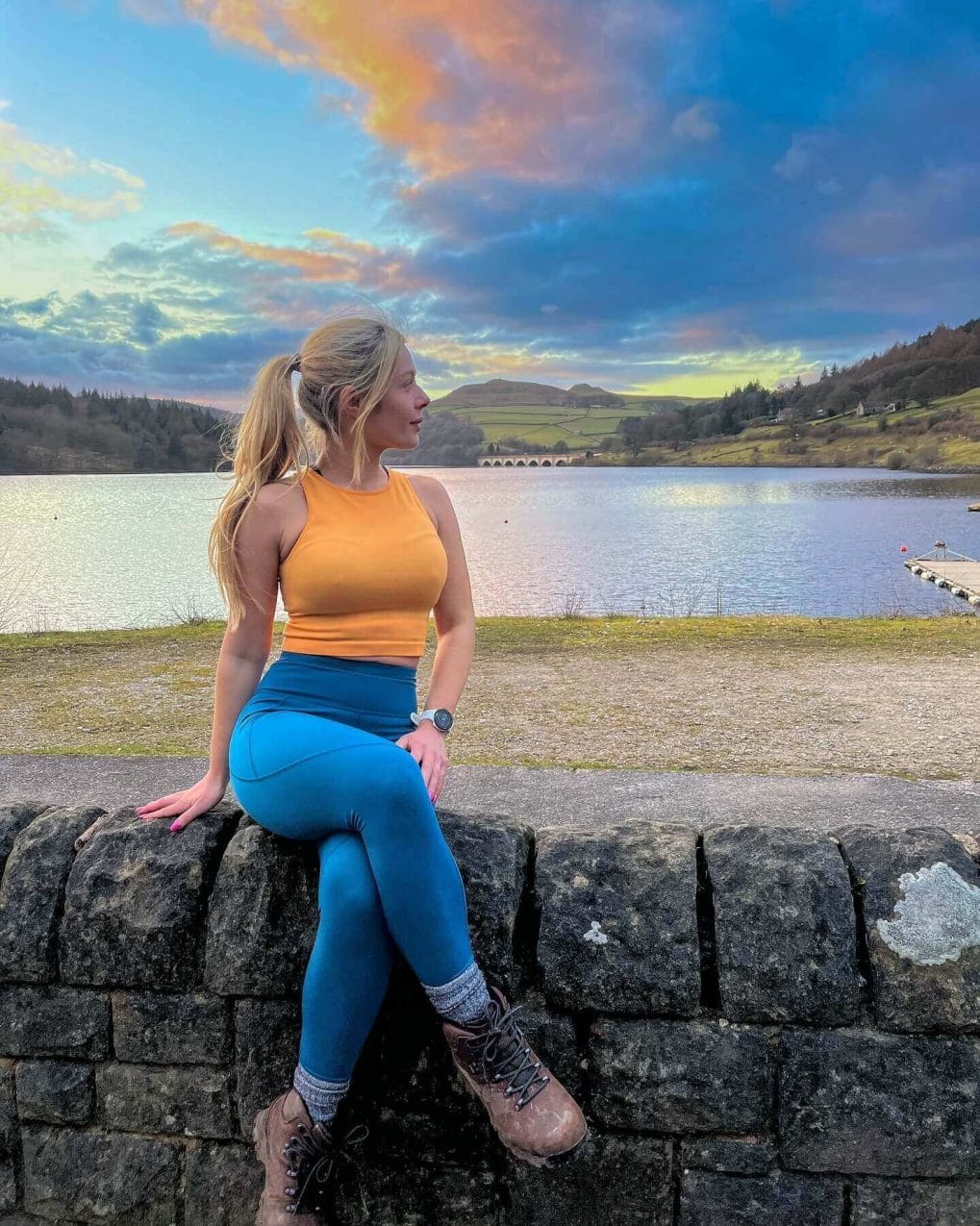
Who actually benefits from a ponytail short enough that it does not swing into a hydration pack? Anyone with thick, wavy blonde hair at shoulder length or longer. A side ponytail with no bangs keeps the weight off your neck and the hair off your face without the bulk of a braid. The layers in the cut give the ponytail movement rather than a blunt sausage effect. Ask your stylist for: shoulder length practical side ponytail. Secure it with a strong elastic, then wrap a small section around the base to hide the band.
Thick Curly Dark Brown Two Braids
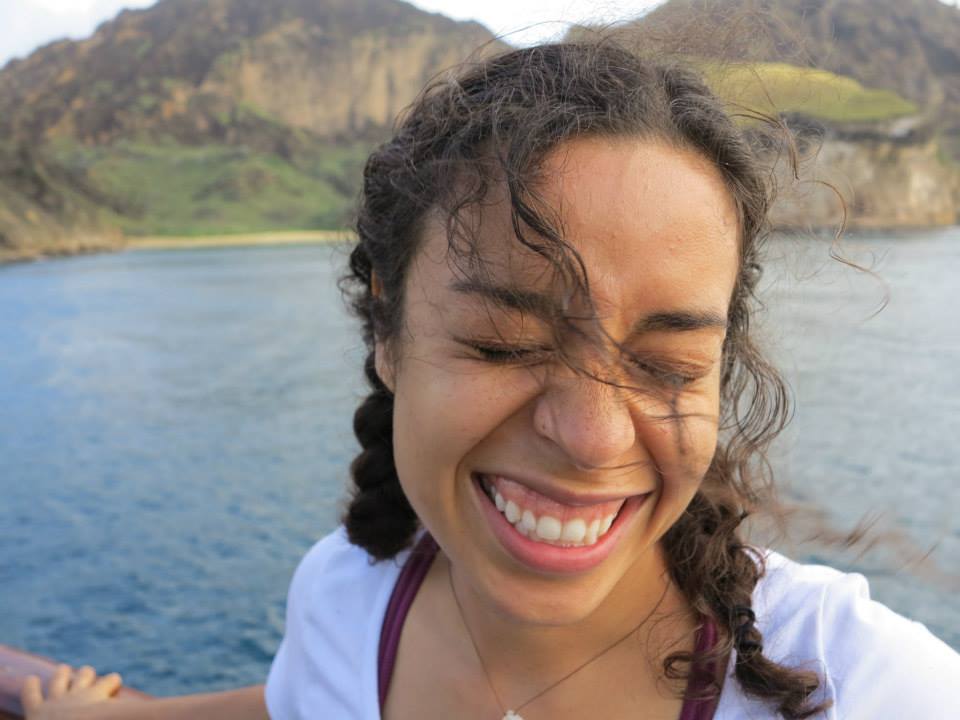
Two loose braids in thick, curly dark brown hair give you the structure of a style with the freedom of your natural texture. The wispy bangs are the trade-off: they frame the face beautifully in camp photos but will need a bobby pin once the wind picks up on the trail. The loose braids let curls escape gradually, which appears deliberate rather than messy. Ask your stylist for: shoulder length two loose braids with wispy bangs. A curl-defining cream applied before braiding keeps the escaped pieces from turning into full frizz.
Blonde Double French Braids into Ponytail
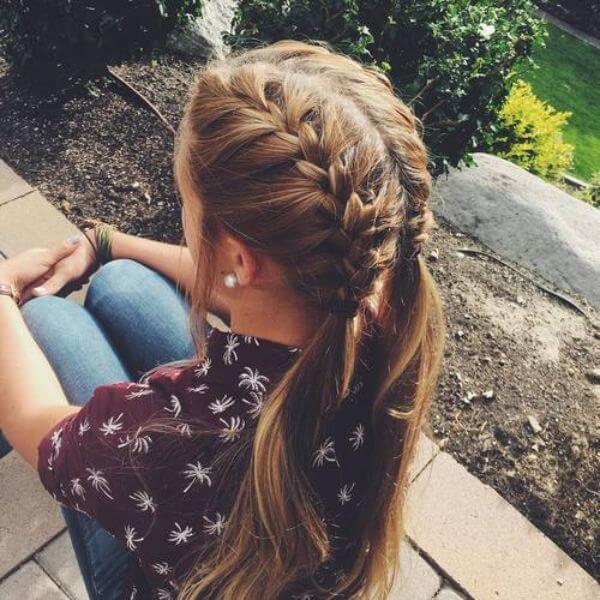
Two french braids that merge into one low ponytail at the nape give you a style that will not budge under a pack strap. The braids run close to the head, so the mid-back length stays contained, and the thick wavy texture gives each plait enough grip to hold its shape. Blonde with highlights shows the braid pattern clearly, which is half the point.
Ask your stylist for: double french braids into a low ponytail. A tail comb keeps the part lines clean, and the ponytail needs a tight tie so the braids do not loosen on the climb. This is a salon build, not a trailhead one: book it before a big hike. Expect a redo every few days once the wavy texture starts working its way out.
Thick Wavy Dark Brown Loose Waves
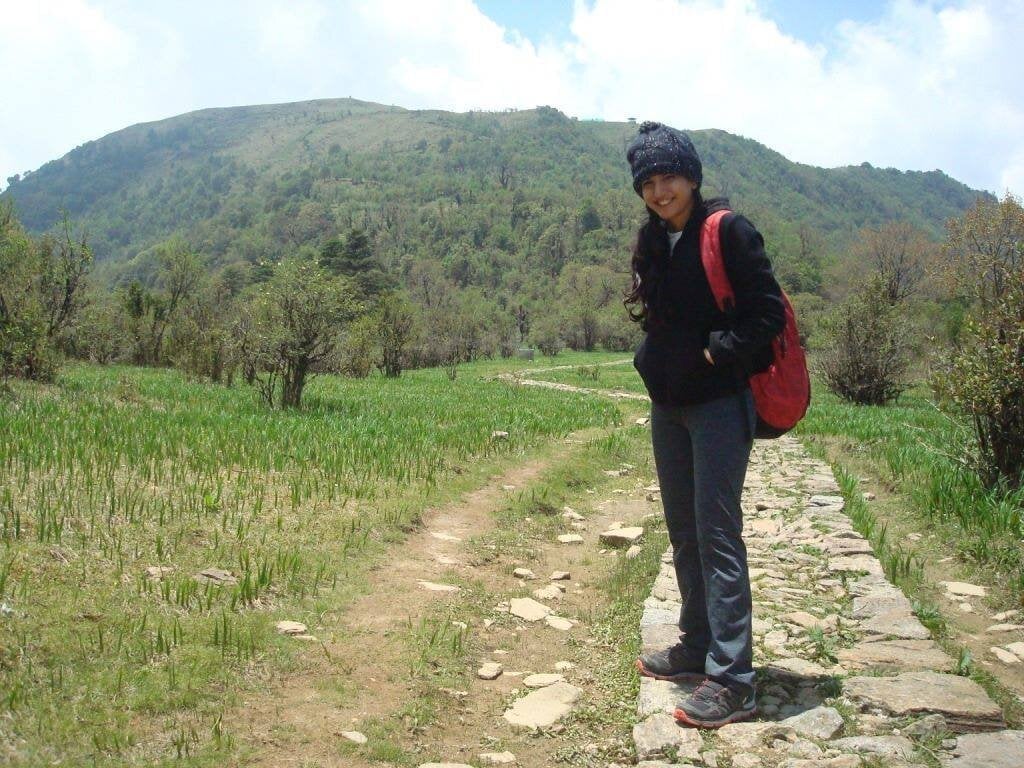
Subtle layers cut into thick, wavy dark brown hair let loose waves fall to mid-back without collapsing into one solid mass. The finish looks relaxed, but loose waves are the least practical thing you can bring on a strenuous climb: mid-back length plus a middle part means every strap and branch has something to catch. Ask your stylist for: mid-back length loose waves with a middle part. If the trail is steep, a hydrating product helps with frizz, but it will not stop the tangling. Save this one for the flat, scenic routes.
Thick Wavy Brown Loose Waves Hat, Mid-Back
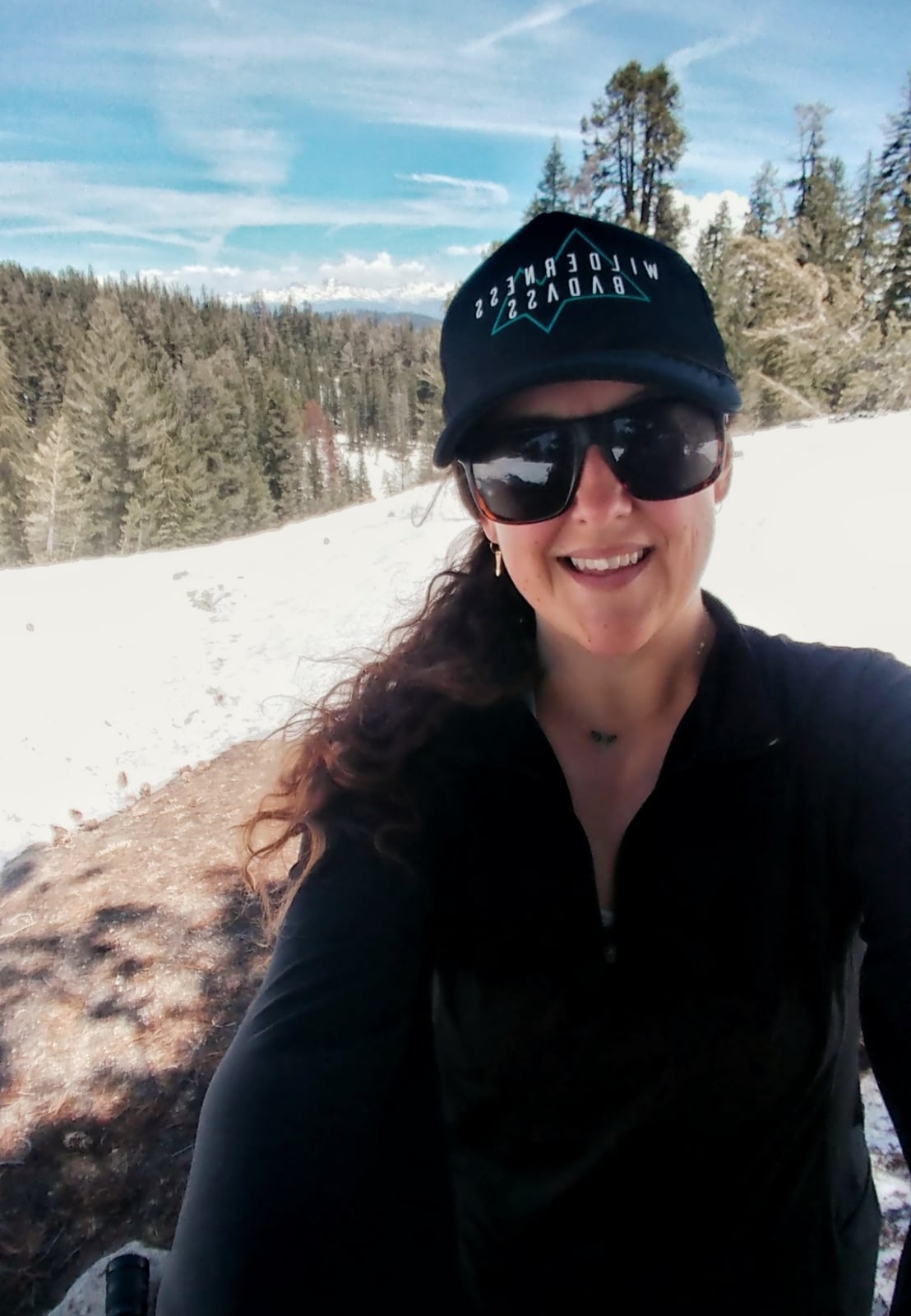
What do you do with mid-back waves when the sun is out and a hat is the plan? You lean in. A baseball cap sits over a side part, and the loose waves in this brown hair with highlights spill out below the brim instead of fighting it. Thick texture holds the wave through a morning of walking, and the side part gives the front some direction under the cap. Ask your stylist for: mid-back length loose waves with a side part. Dry shampoo at the roots before the hat goes on absorbs sweat and keeps some volume at the crown. Good for sunny, exposed trails where shade is scarce.
Thick Wavy Blonde Mid-Back Length
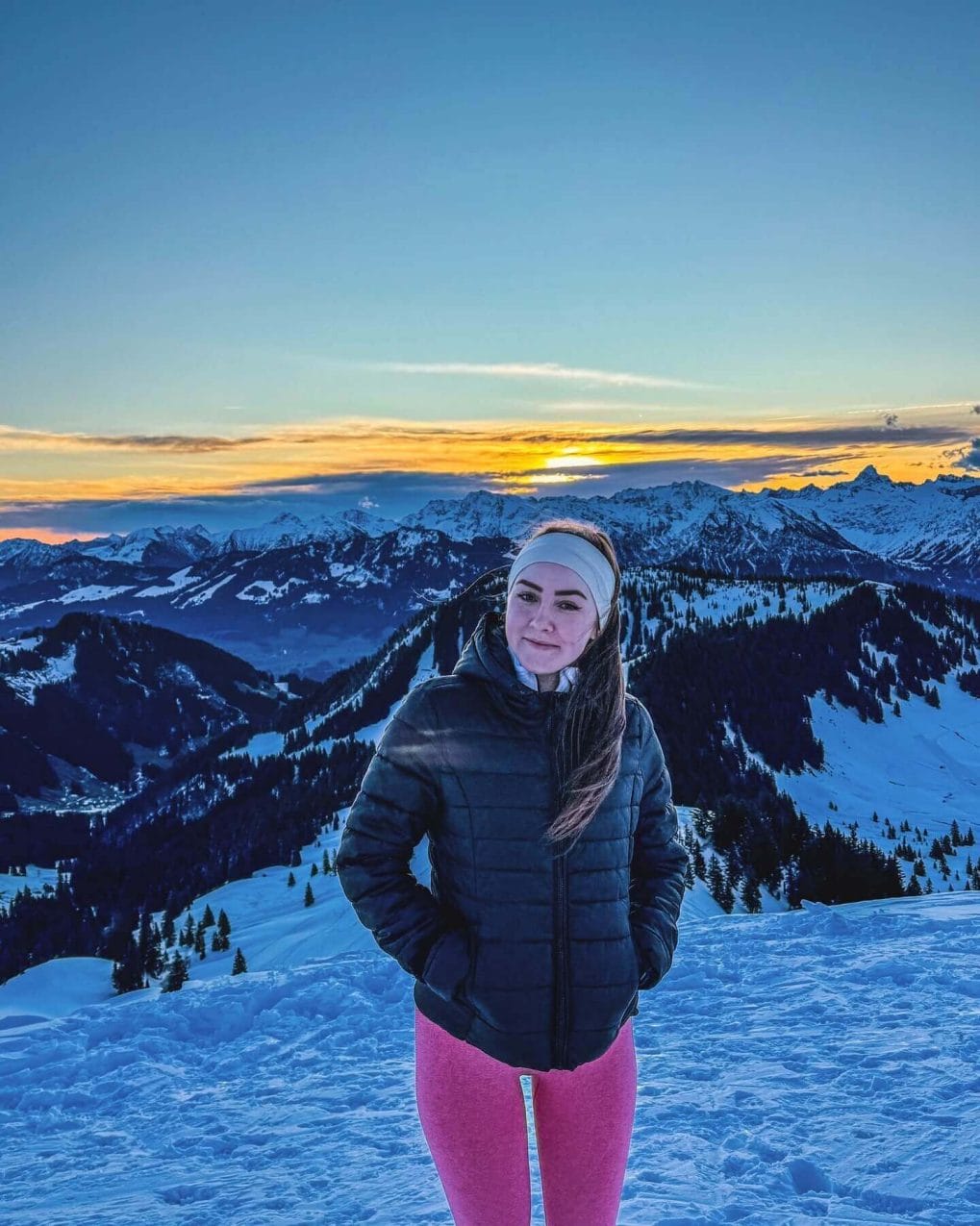
A side part with side-swept bangs and loose waves through mid-back length is about as low-maintenance as long hair gets, and that is exactly where people go wrong. The mistake is treating loose blonde waves like a styled finish that needs heat and product to look done. It does not. Thick wavy texture already has the pattern; rough-dry it and let the wave do the work. Side-swept bangs soften a square or oval face without needing a round-brush session.
Ask your stylist for: mid-back length loose waves with side swept bangs. This is a DIY style from start to finish, and in cold, dry air the only real task is a smoothing serum to keep static and frizz down. A trim every eight to ten weeks keeps the ends from thinning out and the layers from dragging the wave flat. The less you fuss with it on the mountain, the better it holds.
Wavy Reddish-Brown Mid-Back Loose
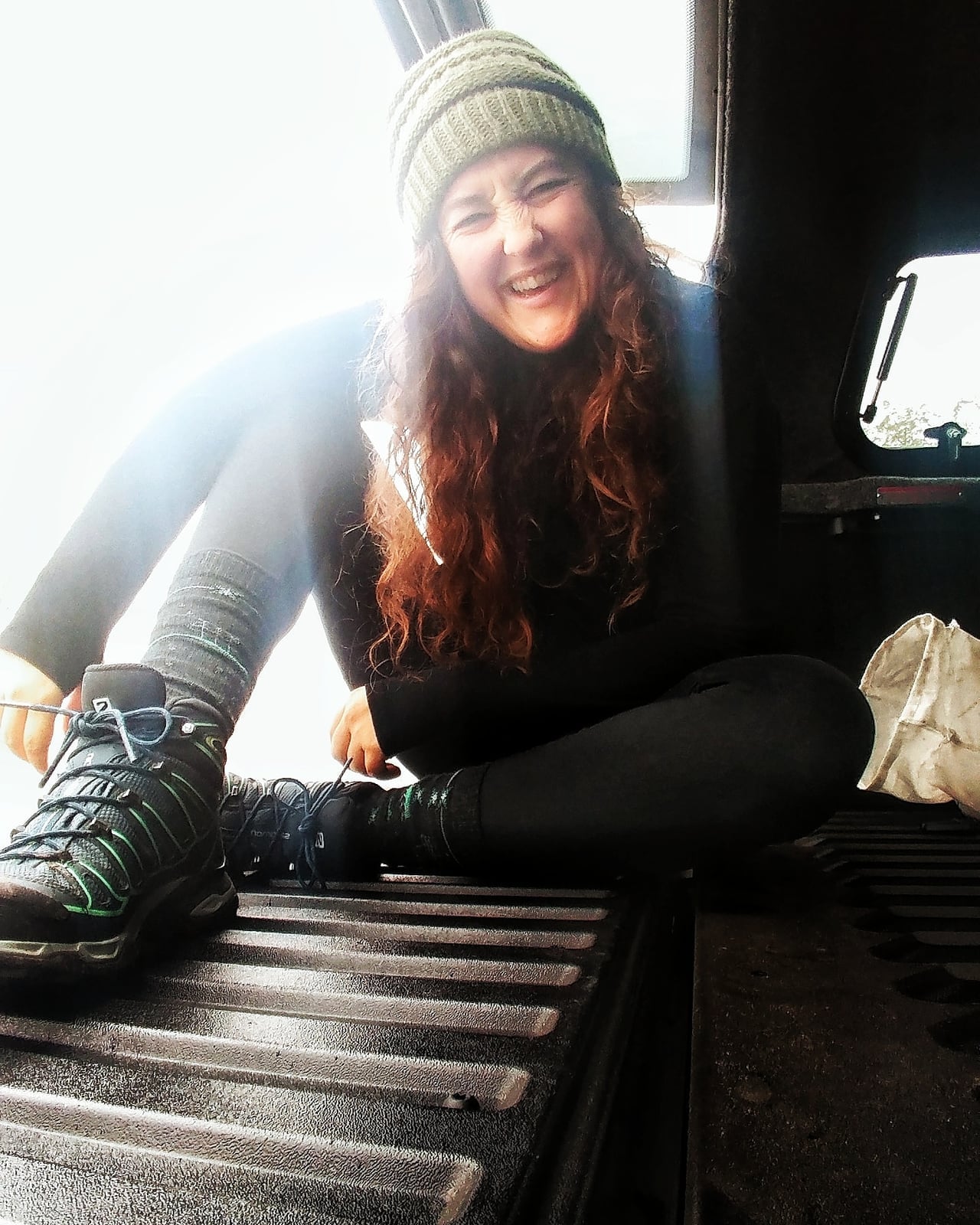
This is a texture-first style, and it suits wavy hair that already does most of the shaping on its own. A middle part and length below the chin elongate a round face. Ask your stylist for: mid-back length loose waves, natural texture. Air-dry with a curl-enhancing product and skip the heat, since definition comes from the natural pattern. Fine hair will fall flat here; high density will need more layers to lighten the load.
Thick Straight Dark Brown Messy Bun
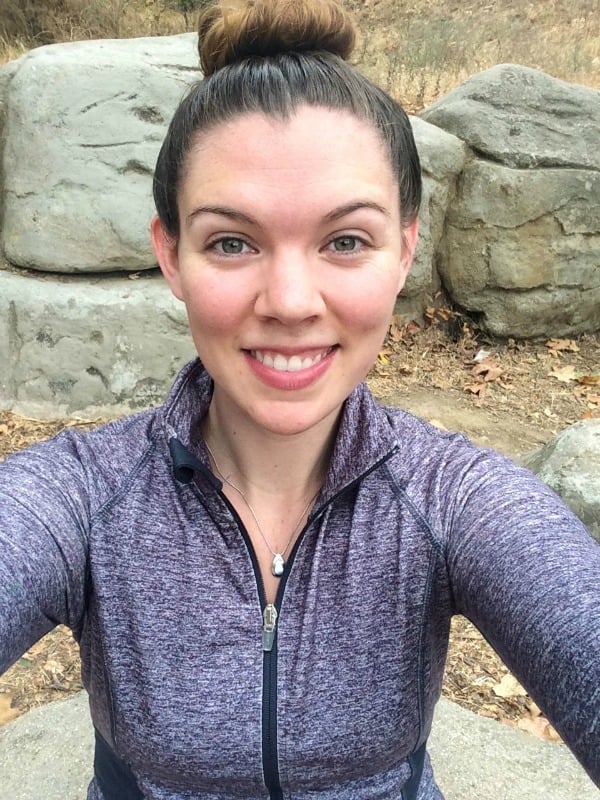
A messy bun at the crown is the hiking hairstyle equivalent of a shrug: it works, but it can also betray you. Thick, straight dark brown hair of at least shoulder length tends to slide right out of a loose twist, especially under a hat or after a few miles of steady movement. Ask your stylist for: messy bun at the crown. The real drawback is that straight, thick texture resists staying knotted without serious pinning, so the bun can migrate from crown to nape before you hit the summit. A few strategically placed bobby pins and a pre-bun dusting of dry shampoo for grip can delay the descent, but this style trades security for speed.
Blonde Braided Updo Crown Braid
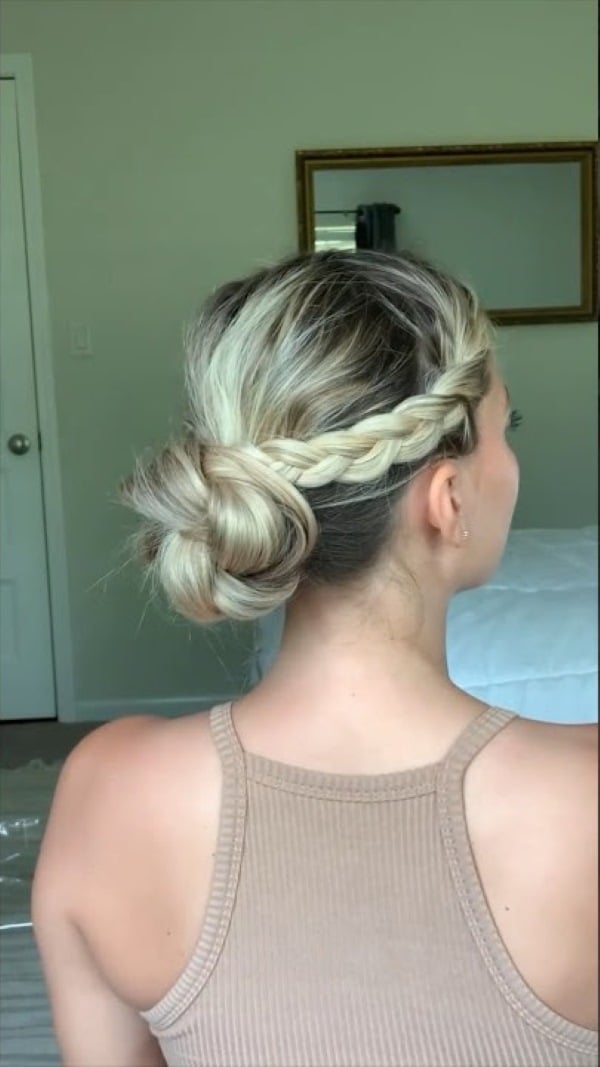
A crown braid that wraps around the head before tucking into a low textured bun is an engineering feat for hair. The thick braid distributes the weight of mid-back length blonde hair with highlights evenly, so the updo stays anchored without pulling on any single spot. Ask your stylist for: braided updo with crown braid and low bun. This style suits medium to thick densities; fine hair may not provide enough mass for the braid to read clearly. For upkeep, secure the bun with bobby pins that match your base shade and finish with a light-hold hairspray to tame flyaways without freezing the texture. A trim every eight weeks keeps the ends neat enough to braid cleanly, and a toning appointment every six weeks prevents the highlights from muddying against the blonde base.
Short Undercut Dark with Color Tones
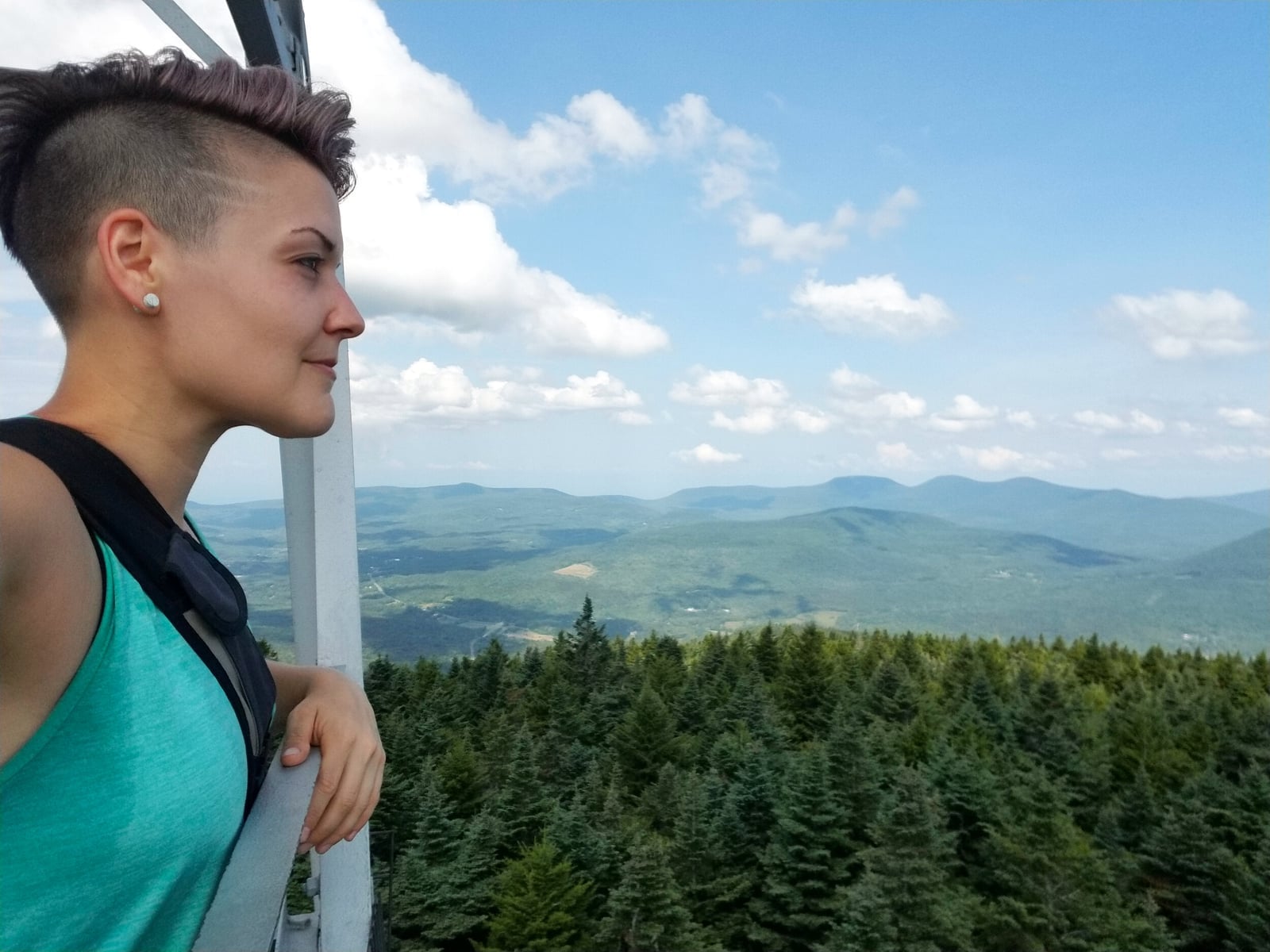
An undercut with the longer side styled upward is the polar opposite of a braid-and-bun hiking routine. Where most trail hairstyles focus on containment, this short cut with dark hair and subtle purple and pink tones declares that containment is optional. Ask your stylist for: short undercut styled up with color tones. It suits thick, straight textures that can hold a vertical shape with a strong hold pomade or wax. For someone who wants zero hair touching their neck on a climb and zero styling time beyond a quick sculpt, it is a solid choice. The trade-off is that the color tones require a salon visit every four to six weeks to stay vibrant, and the undercut needs a trim every three weeks to keep the shaved section clean.
Sleek Wet-Look Braid Mid-Back
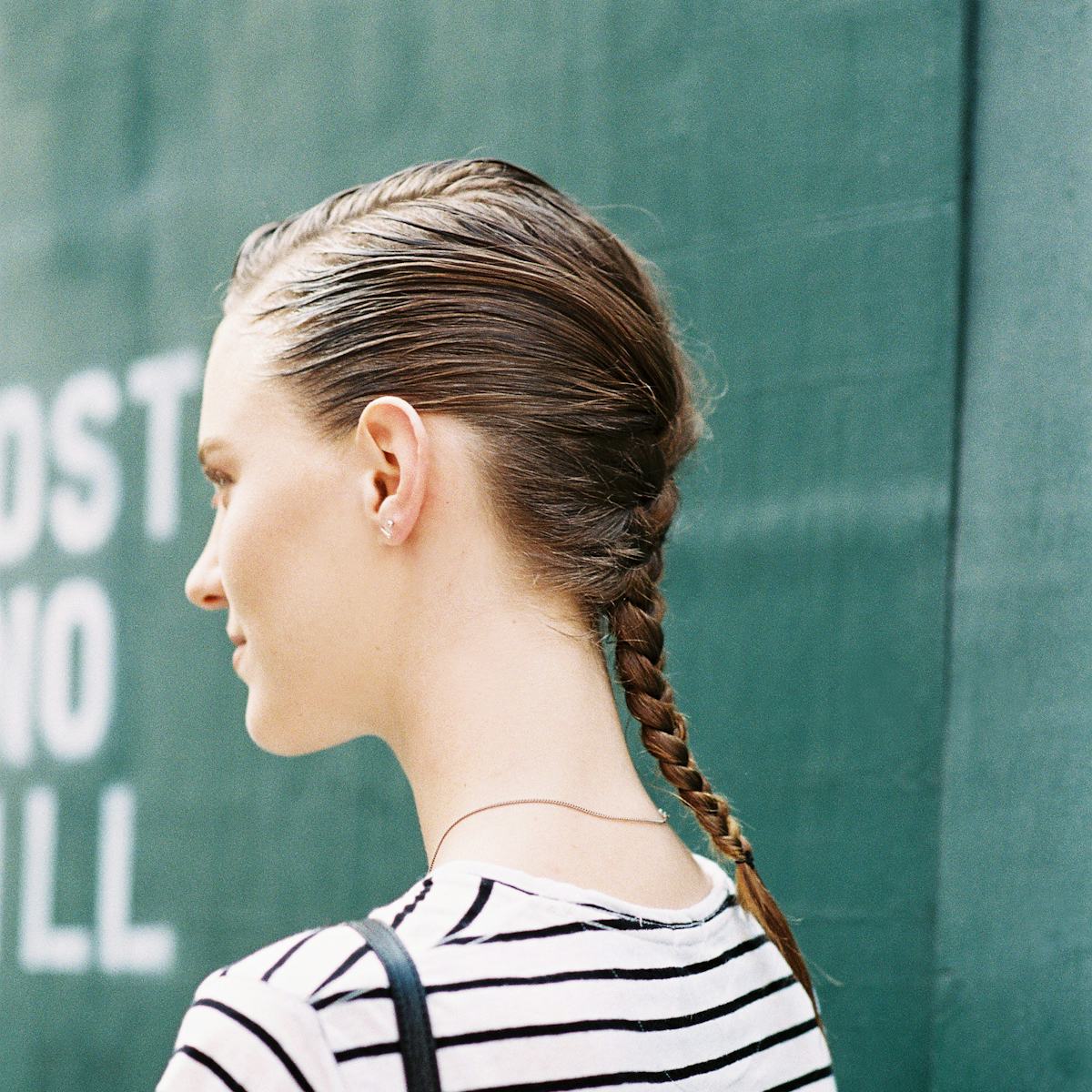
How do you keep mid-back length dark brown hair from frizzing on a humid trail without spending the whole hike tucking strands back in? A sleek wet-look braid. The middle part and dense braid structure lock every strand in place, and the gel seal reflects heat instead of absorbing moisture. Ask your stylist for: sleek wet-look braid, mid-back length. This style works best on thick, straight textures that can hold a polished finish. The steps are straightforward: apply a strong hold gel through damp hair from roots to ends, use a fine-tooth comb to smooth each section, and braid tightly from the nape. The downside is that the wet look requires a full product application before every wear.
Final Thoughts
For active days, prioritize styles that tuck hair away completely: cornrows, box braids, a high ponytail, a crown braid. If your hike is more leisurely or involves fewer strenuous movements, looser waves or styles with face-framing pieces can work.
- Trim split ends every six to eight weeks to prevent tangles.
- Apply a heat protectant before styling tools, even for quick touch-ups.
- Deep condition weekly to maintain moisture after sun and wind.
- Let braids breathe between wears; avoid leaving them in for more than a few days.
Secure, stylish hair for every trail.

