
The urge to dye hair is a constant, but 2027 is rewriting the rules with vivid, multi-dimensional color. This year, it’s less about a single shade and more about how tones layer and shift across the length.
These 19 ideas cover the full spectrum, from low-upkeep root shadows to full-commitment rainbows. They work for fine strands that need a lift, thick textures that can carry heavy saturation, and everyone in between. One look solves the grow-out line problem; another adds depth without a salon visit every four weeks. Dye Hair becomes a tool for texture and shape, not just color.
Mid-Back Wavy Blonde With Rainbow Highlights
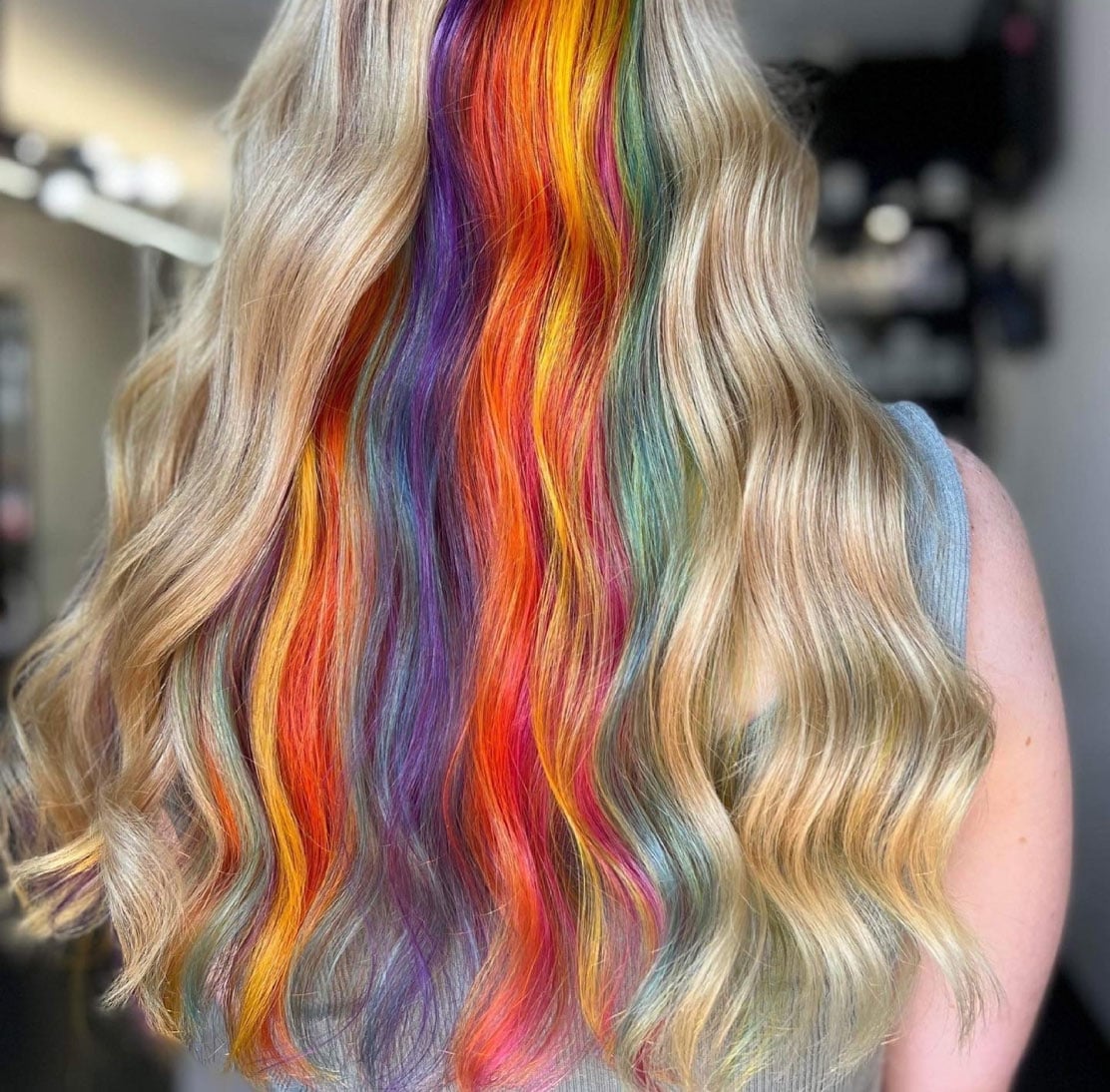
The back view tells the real story here: the rainbow streaks are woven through the blonde base in fine, deliberate ribbons. That placement keeps the blonde dominant, so the color reads as a surprise. Medium wavy texture holds each streak visible without tangling into a single muddy mess. Ask your colorist for: mid-back blonde with rainbow highlights. Hair that already sits at the mid-back gives enough canvas for the blend to breathe. The middle parting splits the color evenly, which matters more than you expect. Expect a toning appointment every 8 to 12 weeks to keep the blonde from going brassy while the rainbow stays sharp.
Long Straight Fine Hair With Pastel Rainbow Braids
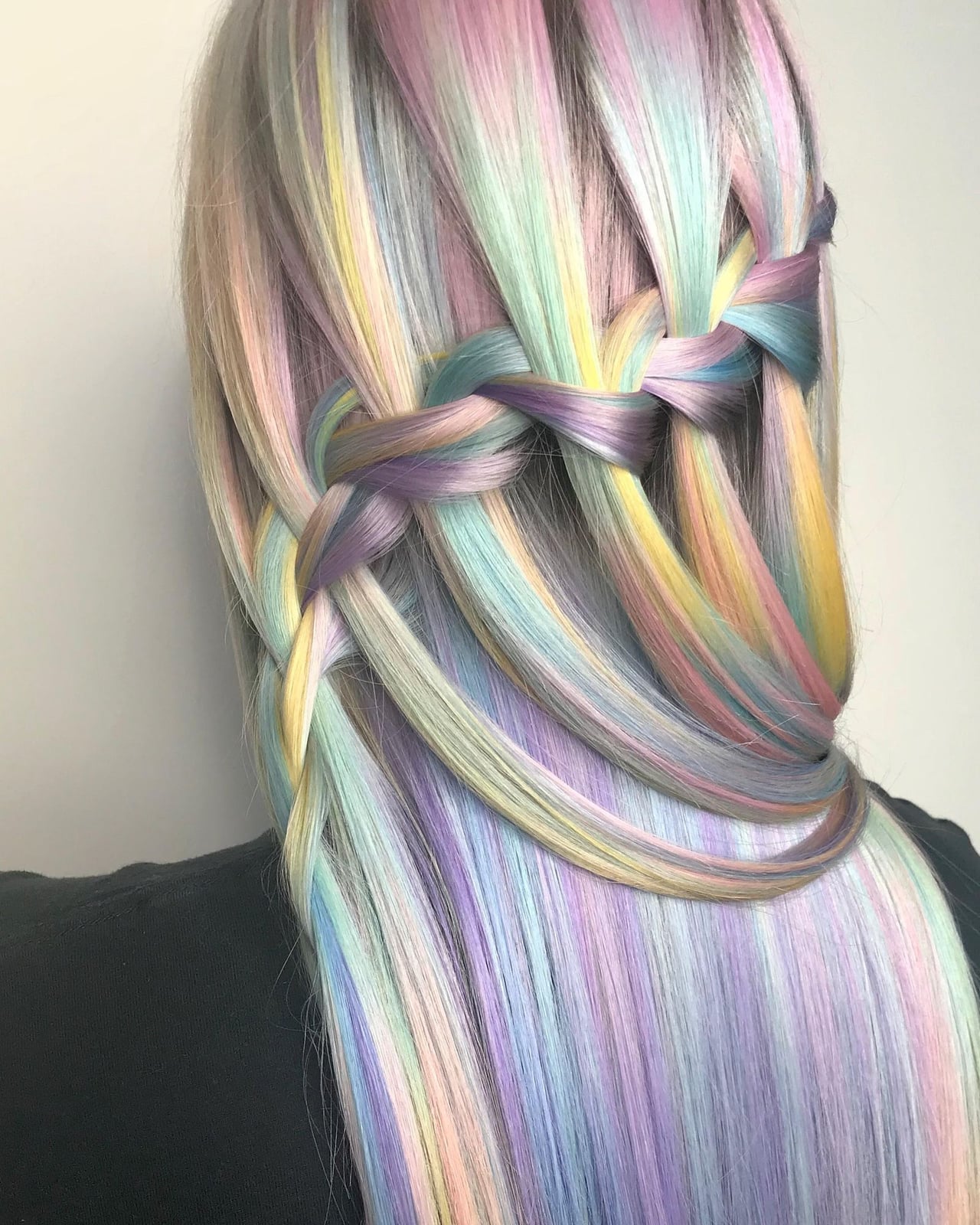
Can fine, straight hair carry a rainbow without looking like a craft project? Yes, if you braid it. The pastel shades are woven through long, straight strands in intricate braids, which gives the color structure and keeps the fine texture from letting it all slide into one pastel blur. The kaleidoscope effect holds because each braid separates the tones, so the eye reads distinct colors rather than a wash. Ask your colorist for: long hair, pastel rainbow colors, braided style. This suits fine, straight hair that reaches well past the shoulders, where the braids have room to show off the full spectrum. The middle parting keeps both sides balanced. Upkeep is the trade: braids ask for daily attention, and pastel color fades faster, so plan for touch-ups every 4 to 6 weeks.
Mid-Back Wavy Thick Hair With Teal Green Ombre
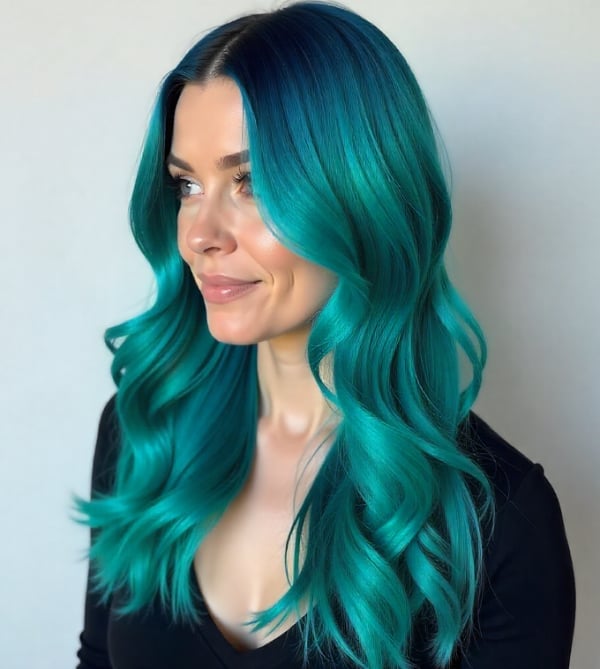
Unlike a balayage, which melts from root to tip in subtle shifts, this teal and green ombre starts at dark roots and makes a clear, vivid transition into color by the ends. The thick, wavy texture gives the gradient depth, so the teal and green read as dimensional rather than flat. The blowout styling keeps the front view clean, letting the color speak from the mid-back length down. Ask your colorist for: mid-back wavy hair, teal and green ombre from dark roots. The dark roots are a feature, not a grow-out problem: they mean fewer root touch-ups, so maintenance is mostly about the ends. Keep them conditioned to hold the vivid tone. This one suits thick, wavy hair that can carry bold color without looking thin.
Mid-Back Wavy Split Dye Pink And Purple
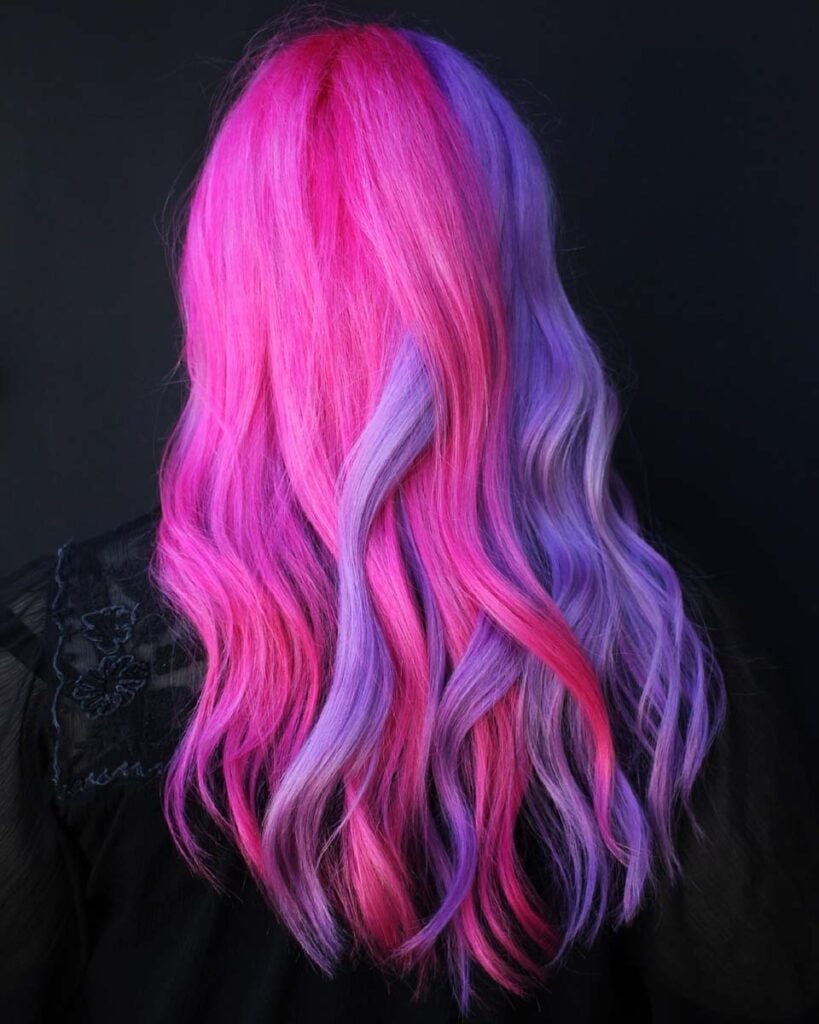
Half pink, half purple, split down the middle: the design is as direct as it gets. The loose waves on mid-back length hair keep the two colors distinct, so each side reads clearly without blending into a bruise at the part. The middle parting is doing the heavy lifting here, dividing the canvas exactly in half. Ask your colorist for: mid-back wavy hair, pink and purple split dye. This is a statement that demands commitment: two vivid colors mean two separate formulas, and they will fade at different rates. You are refreshing both every 4 to 6 weeks, and washing them together risks a muddy crossover at the part. If you cannot face that schedule, this is the one to skip. It suits medium density wavy hair at mid-back length, where there is enough body to hold the split.
Mid-Back Layered Brown With Blonde Highlights
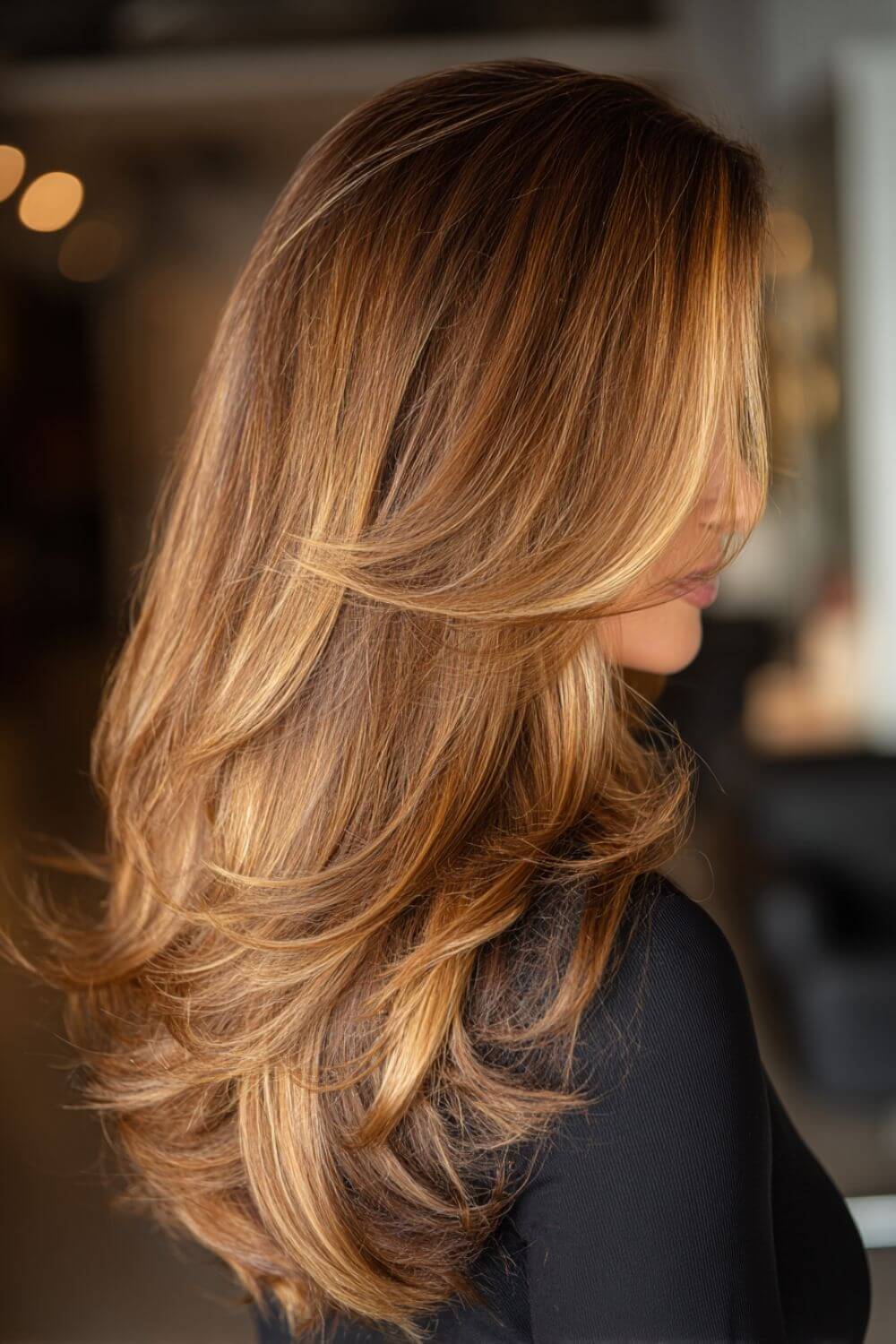
Look closely at the side view and you will see what makes this work: the blonde highlights are placed through the layers, not on top of them, so each wave shows a slightly different tone. The medium brown base keeps it grounded, while the visible root shadow adds depth near the scalp, meaning the grow-out is a soft fade with no hard line. The thick, wavy texture gives the highlights room to move. Ask your colorist for: mid-back layered brown with blonde highlights and root shadow. This is a low-drama option that still has dimension, and it works for everyday or work. The root shadow grows out gracefully, so you are not chasing the line every few weeks, but the highlights will need toning every 6 to 8 weeks to keep them from turning brassy.
Long Wavy Dark Brown To Blonde Ombre
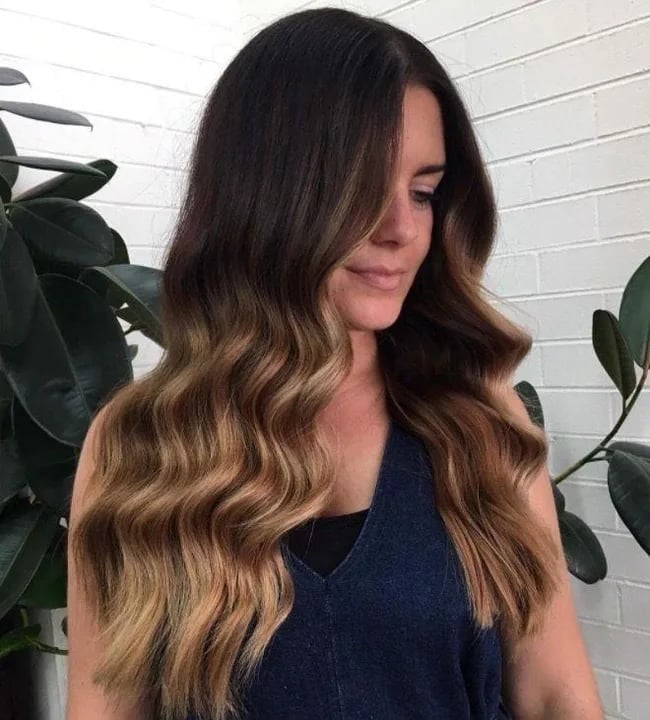
Wondering if the ombre will look like a grown-out dye job by month three? With a long, wavy base in dark brown melting into blonde ends, the transition is the whole point, so it ages better than most. Subtle layers keep the movement visible, and the middle part shows off the gradient from root to tip. Ask your colorist for: long wavy hair, dark brown to blonde ombre. This works on any density, but the wavy texture helps blend the two shades so the line never reads as harsh.
Ombre is the low-maintenance option in the dye hair lineup. The roots stay dark, so there is no regrowth to chase, and you only need to refresh the blonde ends every 8 to 12 weeks to keep them bright. Let the color grow out and the gradient simply shifts lower, which means you can stretch the salon visits without anyone accusing you of neglect.
Mid-Back Wavy Dark Brown With Ash Blonde Highlights
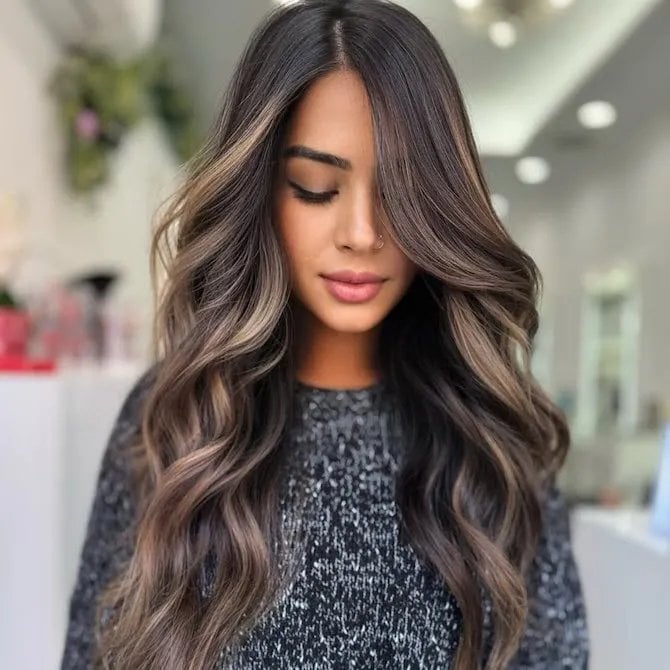
The mistake with ash blonde highlights on dark brown hair is treating them like regular highlights and letting them run all the way to the root. The shadow root here is what keeps the contrast soft, and the curtain bangs are cut to blend the face-framing pieces into the waves. Ask your colorist for: mid-back dark brown with ash blonde highlights, curtain bangs. On thick, wavy hair, the highlights land as dimensional streaks, but only if the bangs are styled daily with a round brush to keep them sweeping outward.
Mid-Back Wavy Dark Brown With Blonde Balayage and Creating A Natural
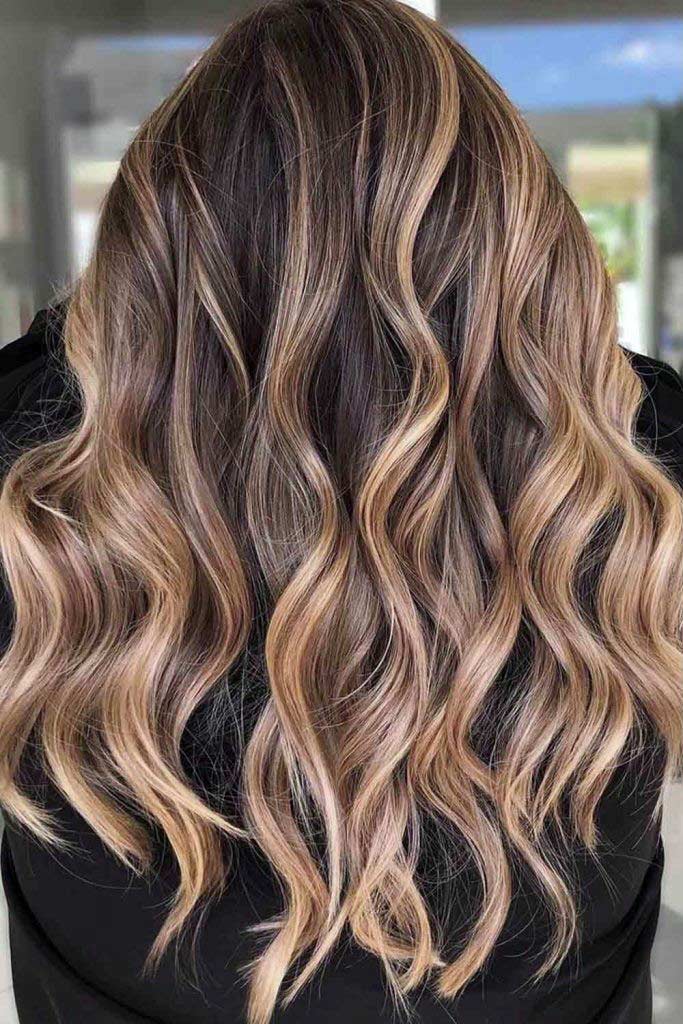
The hand-painted application is what separates balayage from foil highlights. Each section of mid-back, wavy hair gets the lightener painted on freehand, which is why the blonde appears heavier at the ends and barely touches the dark brown base near the crown. Ask your colorist for: mid-back dark brown with seamless blonde balayage. The back view shows the gradient at its most honest, with no hard line where the two tones meet.
Because the lightener is concentrated on the ends, the roots stay dark and the grow-out is forgiving. A refresh every 10 to 12 weeks prevents brassiness, but the natural transition means you can push it longer without looking undone.
Shoulder Thick Coily Dark Base With Magenta Highlights
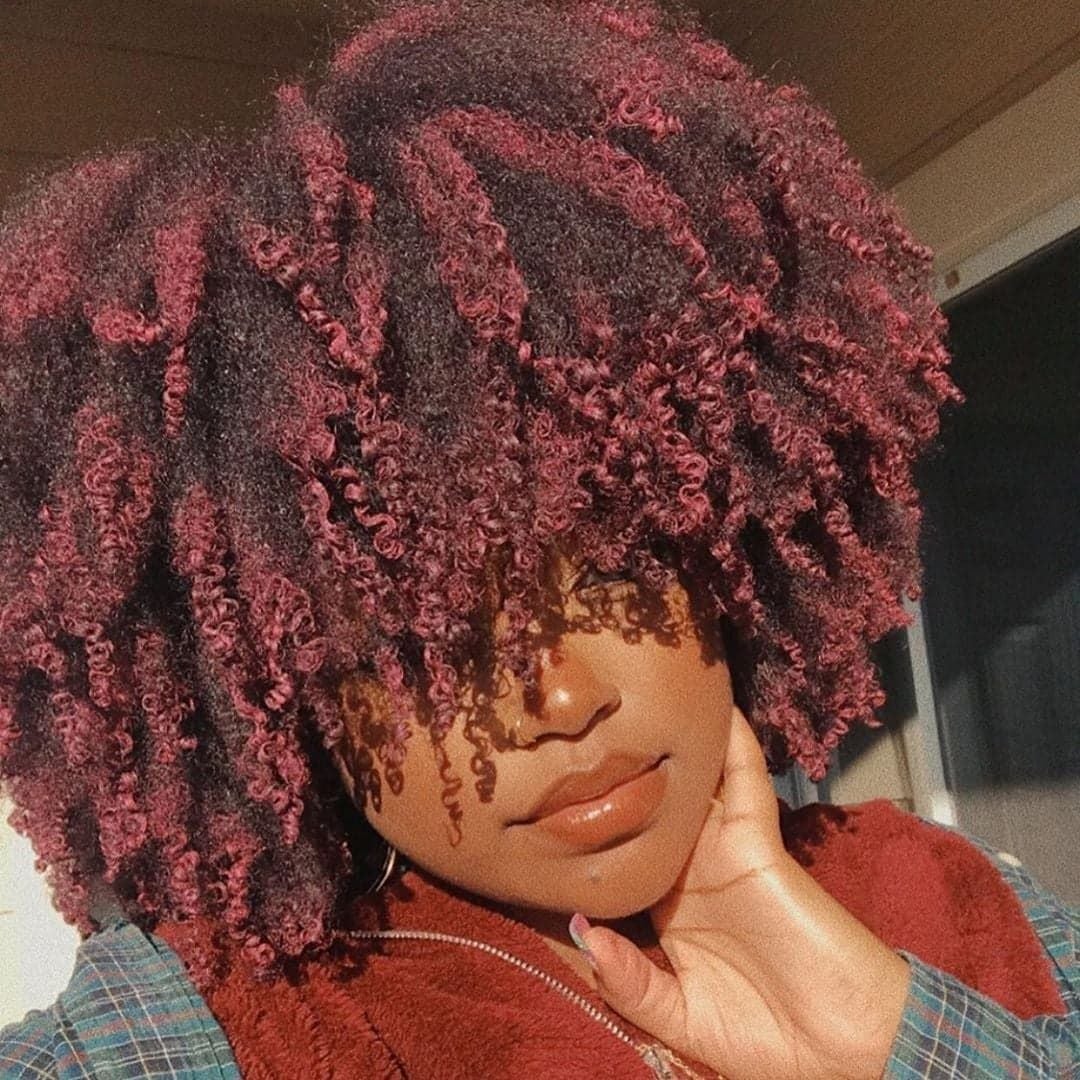
Ever wonder when magenta highlights actually earn their keep? When the hair is shoulder length, thick, and coily, and the streaks are woven through loose twists that catch sunlight. The dark base grounds the vivid magenta, so the color looks planned rather than accidental. Ask your colorist for: shoulder length coily hair, dark base with magenta highlights. This is a warm-weather statement, ideal for summer festivals or any occasion where a little drama beats blending in. The air-dried texture keeps it casual, and the middle part lets the color peek out from both sides.
Mid-Back Straight Thick Deep Burgundy With Red Highlights
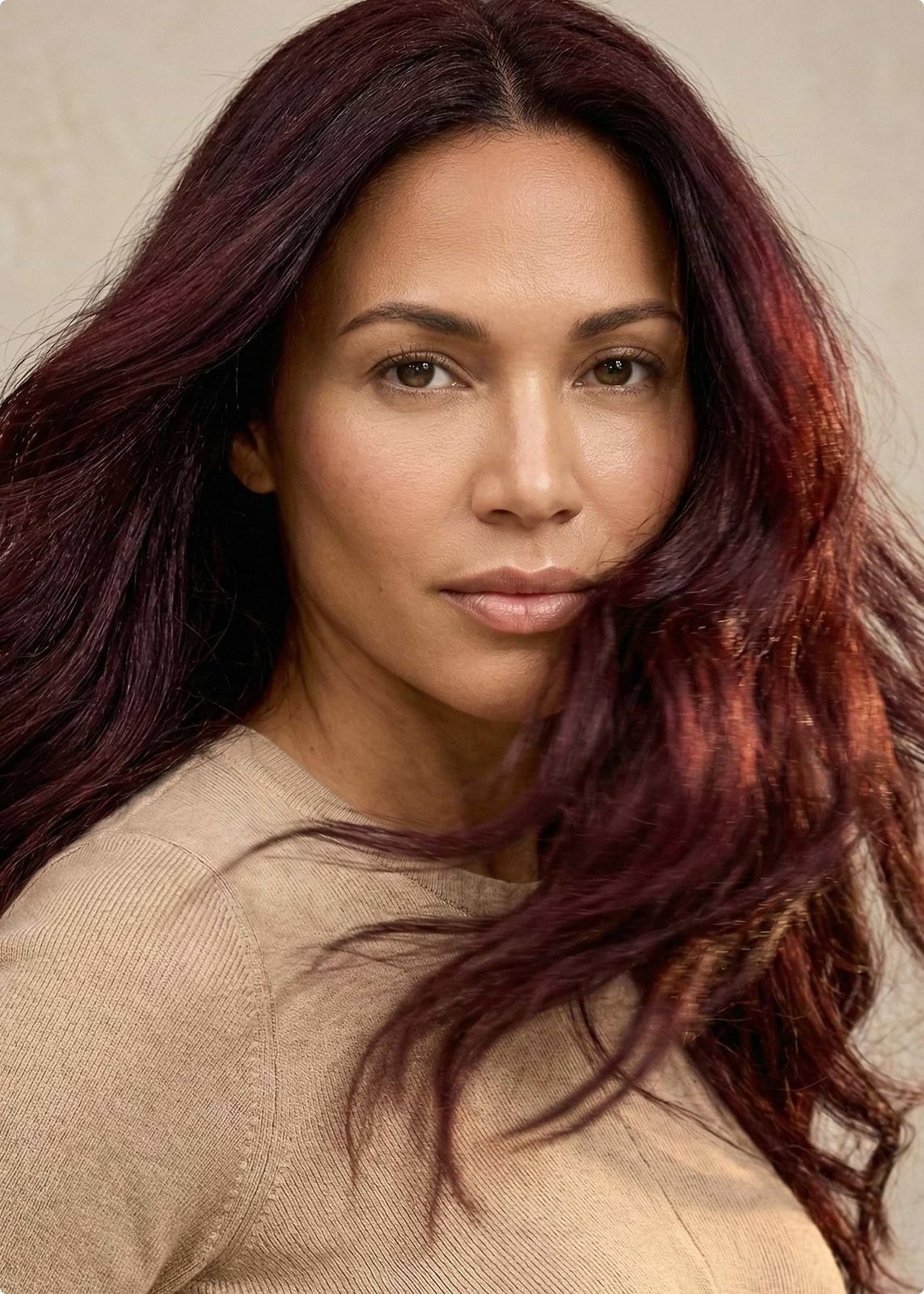
Deep burgundy is a color that demands commitment, and it helps to know who it suits before you book. Thick, straight hair at mid-back length carries the richness well, because the smooth blowout reflects light evenly across the strands. Ask your colorist for: mid-back deep burgundy with subtle red highlights. The reddish-brown highlights add depth without turning the whole thing into a fire engine situation.
On the upkeep side, deep burgundy fades faster than you expect, so plan on a color-depositing conditioner once a week to keep the tone from going dull. A gloss or toner every 6 to 8 weeks will extend the life of the color. If your hair is fine or porous, the pigment can grab unevenly, so talk to your colorist about a strand test first.
Shoulder Wavy Warm Brown With Golden Highlights
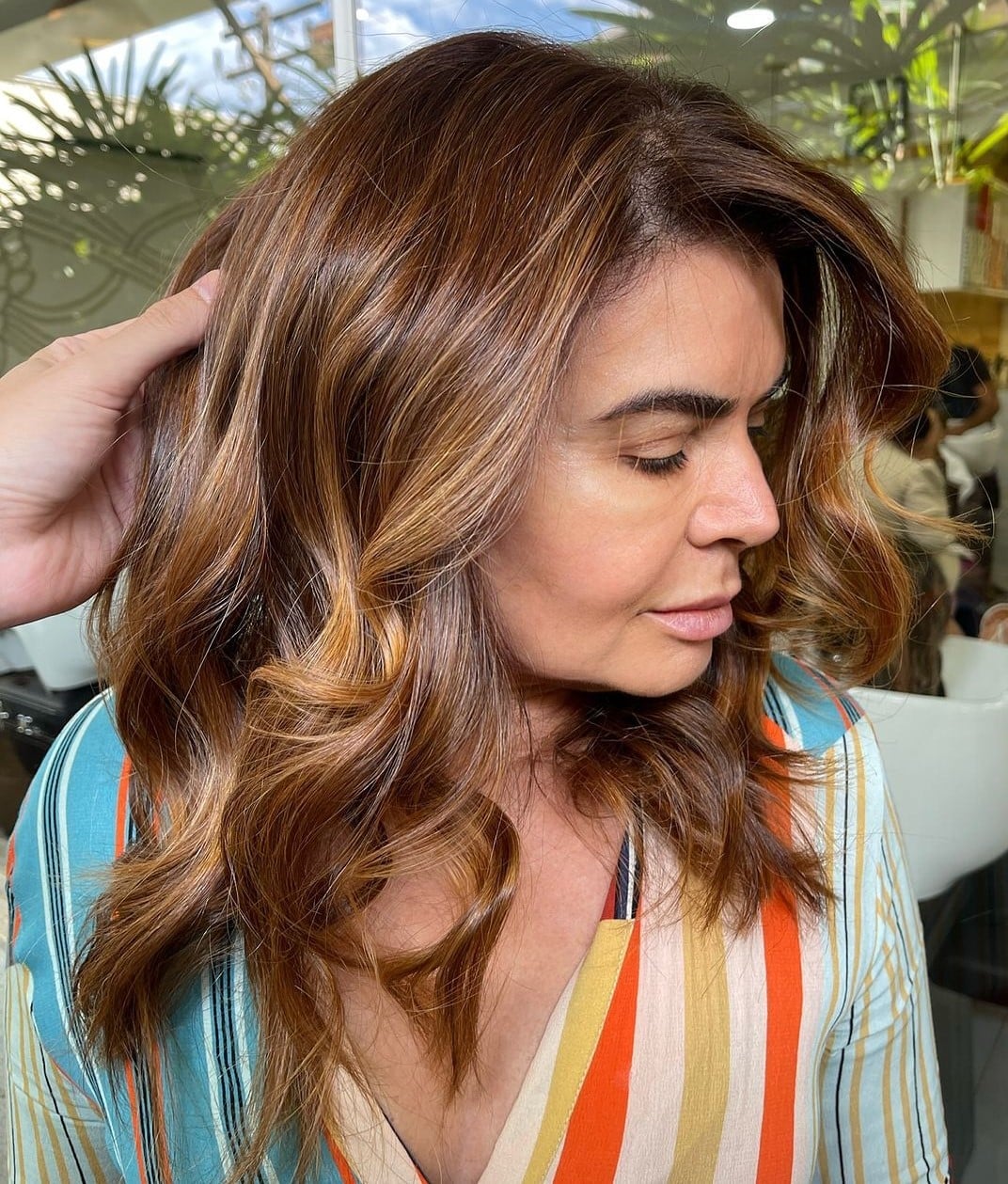
Golden highlights against a warm brown base look sun-kissed without being streaky, provided the placement lands where light naturally hits. That precision is the difference between a salon result and a DIY gamble, since painting foils by feel at home tends to produce uneven spacing. Ask your colorist for shoulder length warm brown with golden highlights and face framing bangs. The face-framing bangs soften the look, but they also demand a round brush and a few extra minutes each morning. Medium density wavy hair holds the dimension best, and a side view shows off the payoff.
Chin Length Dark Brown Bob With Blonde Balayage
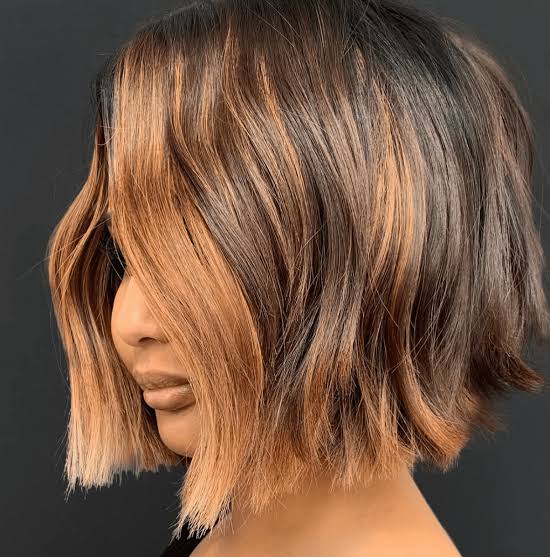
A chin-length bob with a side-swept fringe keeps its shape only if the wavy blowout cooperates, which is the real commitment here. The dark brown base lets warm blonde balayage peek through without a harsh line, but the short length means every wave needs coaxing with a round brush or wand. Ask your colorist for chin length dark brown bob with warm blonde balayage and side swept fringe. The drawback: balayage grows out gracefully, yet the bob itself loses its line within four to six weeks, so trims become routine.
Shoulder Thick Curly Vibrant Copper Red
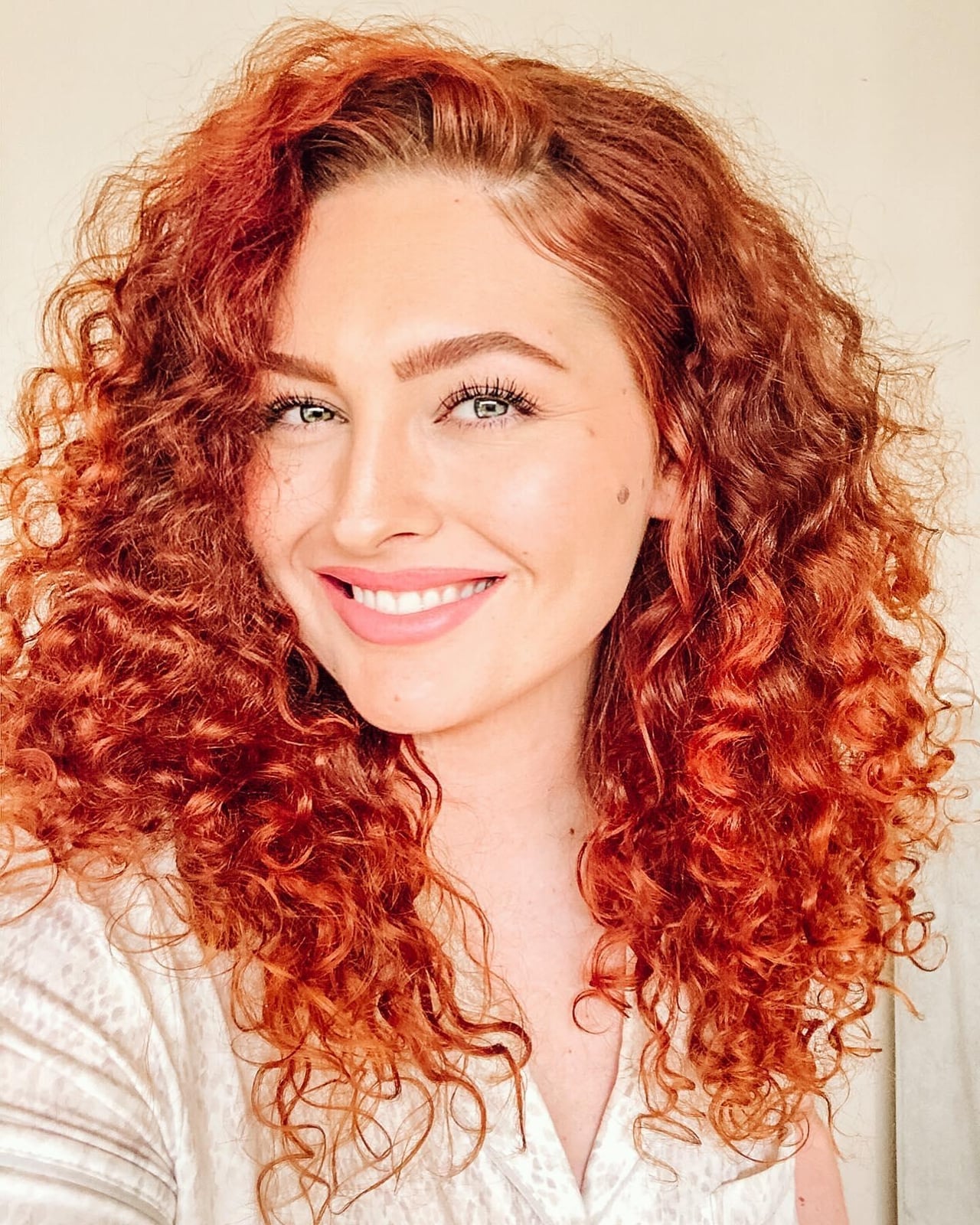
Vibrant copper red on thick, curly hair is a full-commitment color, because the pigment has to saturate each curl evenly to avoid patchiness. The process starts with lifting the natural base, then applying a high-density copper formula in sections, letting it process longer on resistant strands. Ask your colorist for shoulder length thick curly hair, vibrant copper red. Air-drying preserves the curl pattern and keeps the tone from looking flat, while a middle parting gives the color one solid statement. Upkeep matters: copper fades faster than most shades, so expect a refresh every four to six weeks.
Medium Wavy Hair With Rich Copper Tone
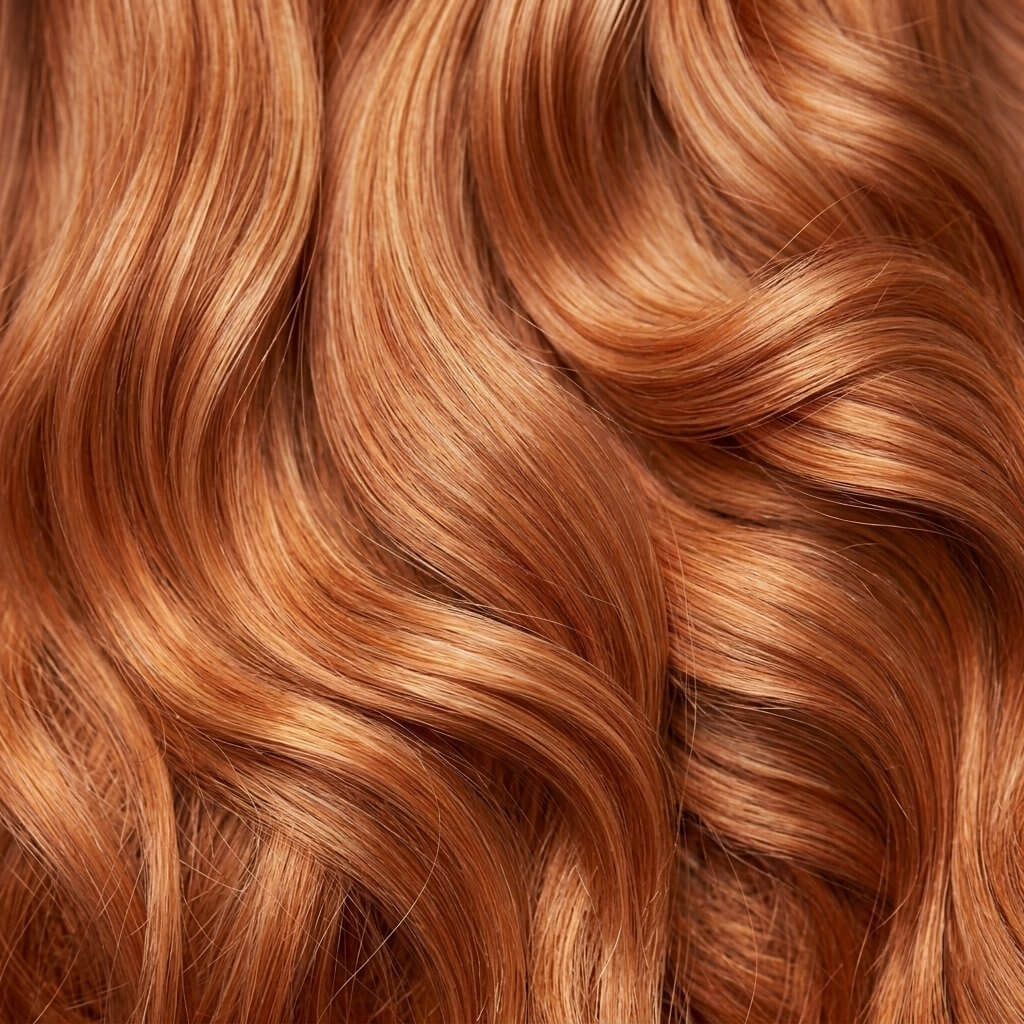
How do you describe a copper that looks lit from within and not flat orange? You ask for a rich copper tone with visible depth, not a single solid dye. The stylist builds it by layering a deeper copper base with a lighter copper gloss on the lengths and ends, so the waves reflect light at different points. Ask your colorist for medium wavy hair, rich copper tone. Medium texture and a blowout help the color reflect evenly, and the close crop shows off the shine. Copper fades fast, so a color-depositing rinse every few washes keeps the warmth alive.
Shoulder Wavy Ash Brown With Blonde Highlights
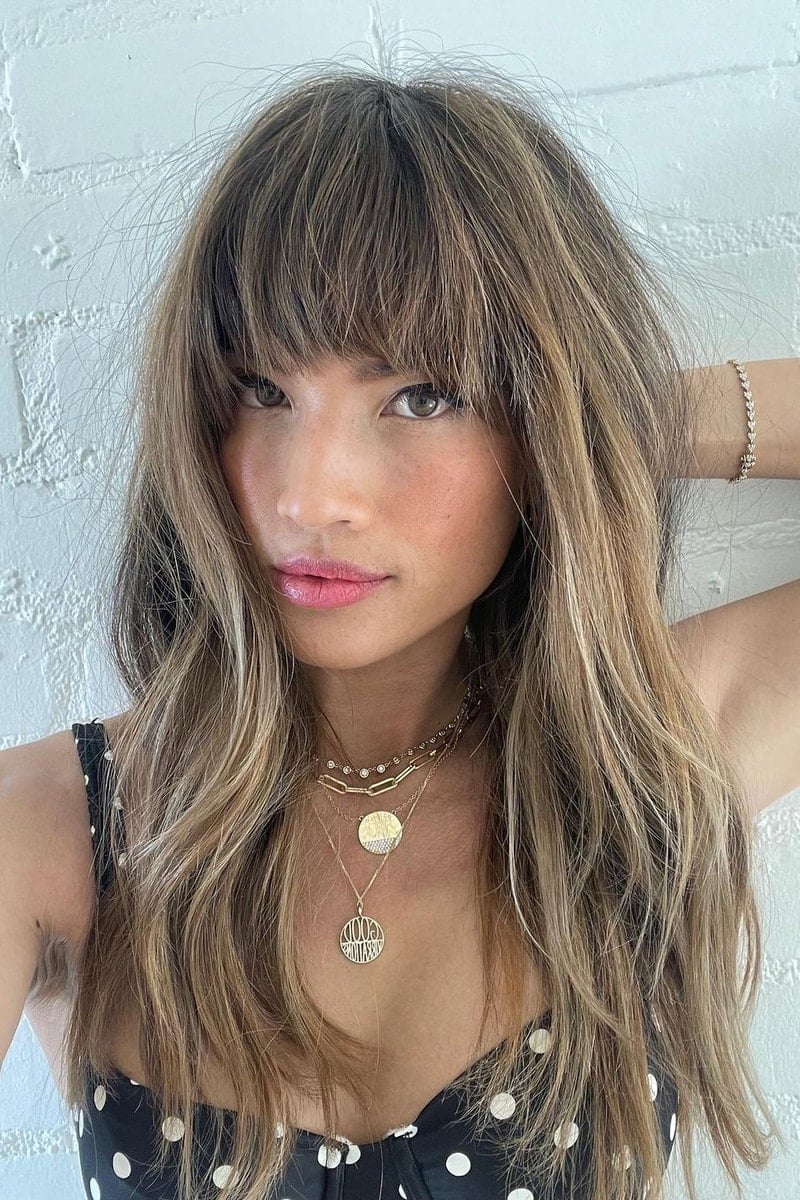
Ash brown with blonde highlights sits opposite a solid ash brown: the highlights add dimension, but they also add a maintenance calendar. A solid shade fades uniformly and needs little attention, while blonde pieces against an ashy base can turn brassy without a toner. Ask your colorist for shoulder length ash brown with blonde highlights and full bangs. The full bangs frame the face but need daily styling, and fine wavy hair air-dries well with a texture spray. Plan on toning every six to eight weeks to keep the blonde cool rather than yellow.
Chin Length Curly Ash Blonde Bob
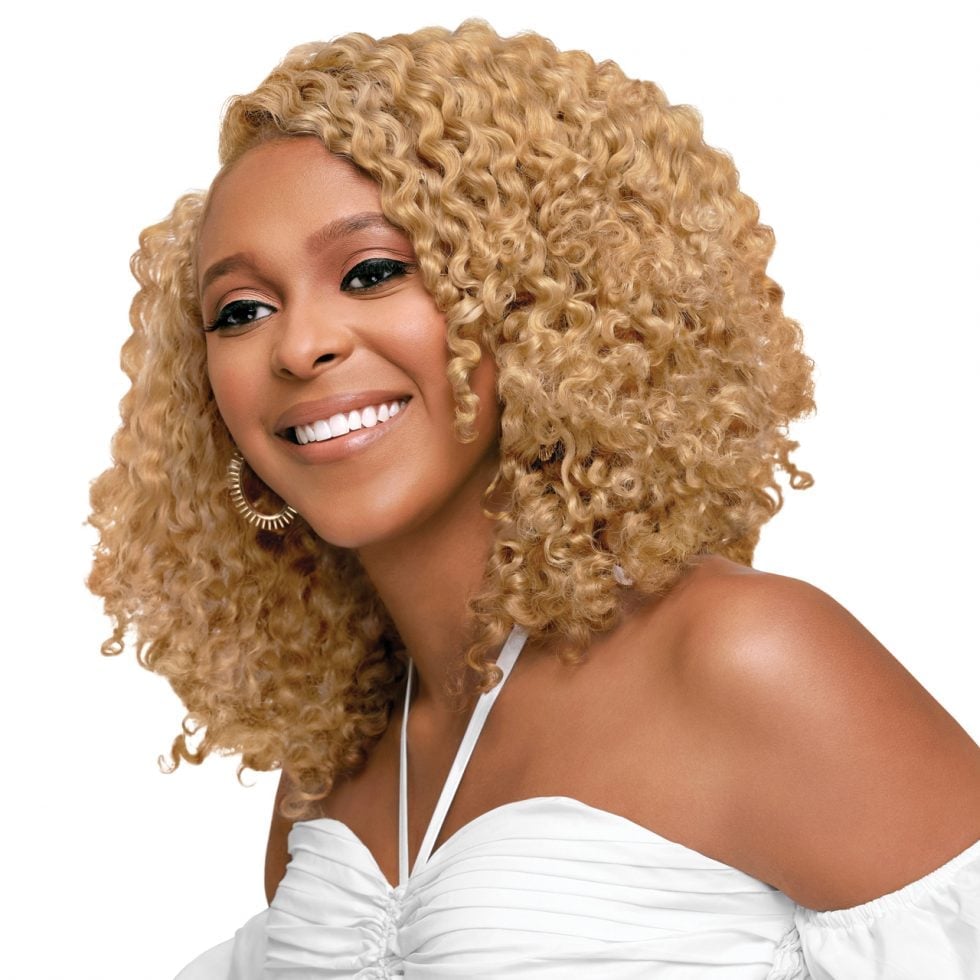
A layered chin-length bob on curly hair is a shape that does two things at once: it keeps the volume where curls want it (the ends) and lets the ash blonde color land evenly. The side parting breaks up what could be a solid dome of curl, giving the whole cut some breathing room. Ask your colorist for: chin length layered bob, ash blonde color. Ash blonde is a tone that works because it reads as cool without tipping into gray; the medium curl texture catches the light in enough small pockets to keep it from looking flat. This is not a cut for anyone who wants to air-dry and walk out the door, curly bobs need a defined styling routine to hold their shape.
Shoulder Curly Thick Rose Gold All-Over
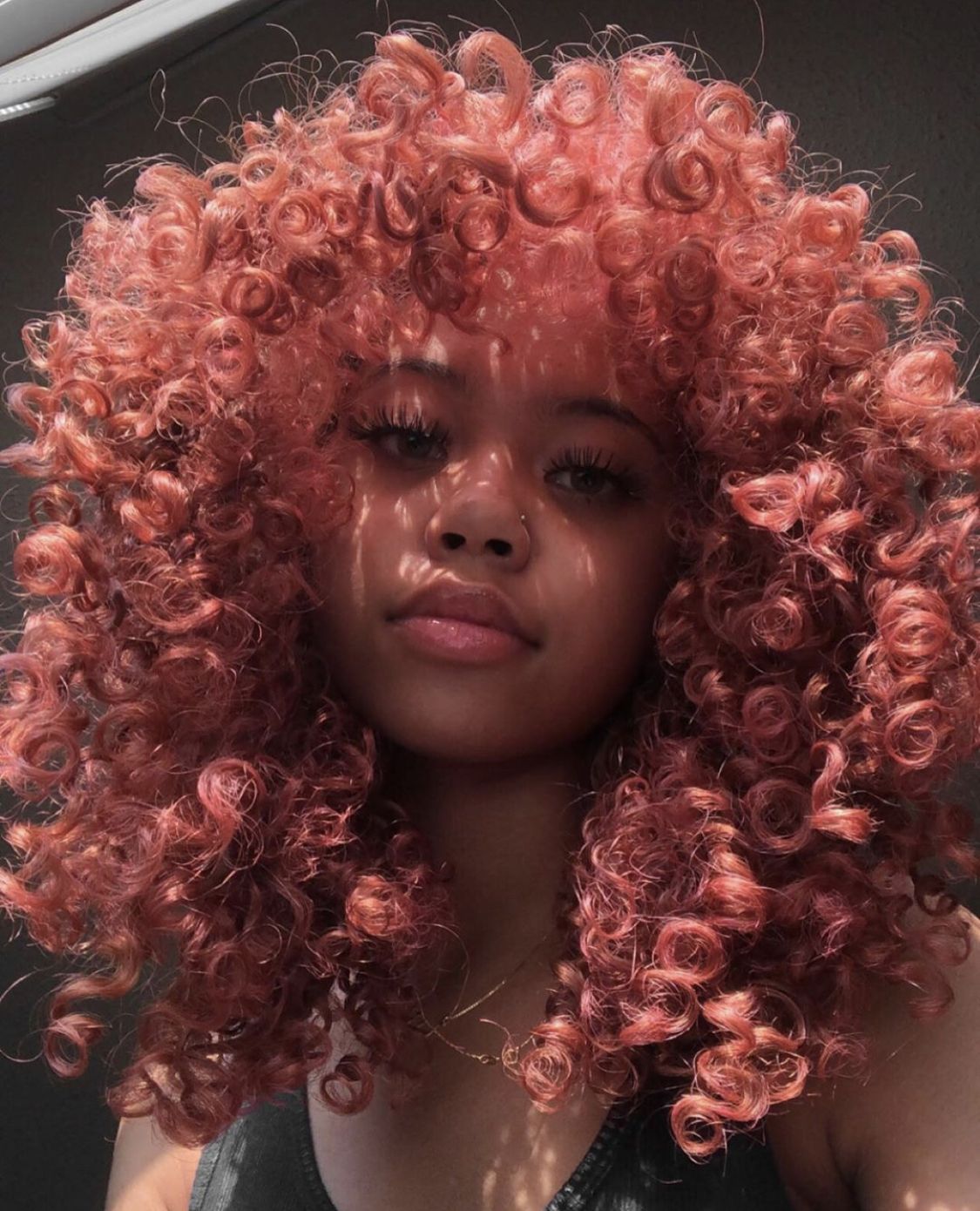
Rose gold as an all-over color on thick, shoulder-length curls is a commitment to maintenance. The vivid tone sits on the hair as a single shade, no highlights or lowlights, which means every curl reflects the same pink-gold hue. Ask your colorist for: shoulder length curly hair, vivid rose gold all over. With thick curly texture, the color reads as dense and saturated rather than sheer, which is the whole point. The real drawback: rose gold fades faster than a cooler tone, especially on natural curls that hold moisture differently. You are looking at a refresh every four to six weeks if you want it to stay vivid rather than drift toward a muted strawberry blonde. Air-drying is the styling method here, but a heat protectant before any diffusing helps the color hold its integrity longer.
Mid-Back Straight Thick Dark Base With Multi-Colored Streaks
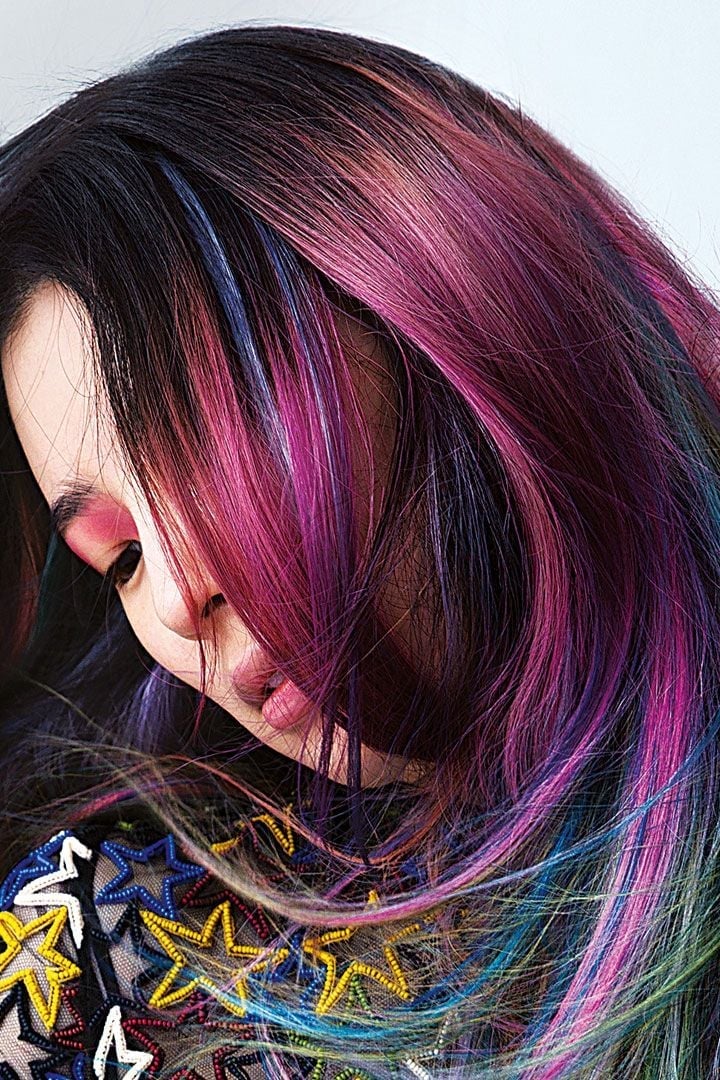
Why commit to one color when you can have four? The dark base here acts as the anchor, while streaks of pink, purple, blue, and teal run through the mid-back length, with side-swept bangs that catch a few of the brighter tones. Ask your colorist for: mid-back straight hair, dark base with pink, purple, blue, teal streaks, side swept bangs. The thick straight texture keeps each streak distinct rather than muddying them together, which matters when you are working with cool and warm tones on the same head. This lands naturally in festival season or any event where the dress code is “more is more.” The side parting and loose waves let the colors peek out in rotation rather than all at once.
Shoulder Wavy Thick Shag With Choppy Bangs Full Rainbow
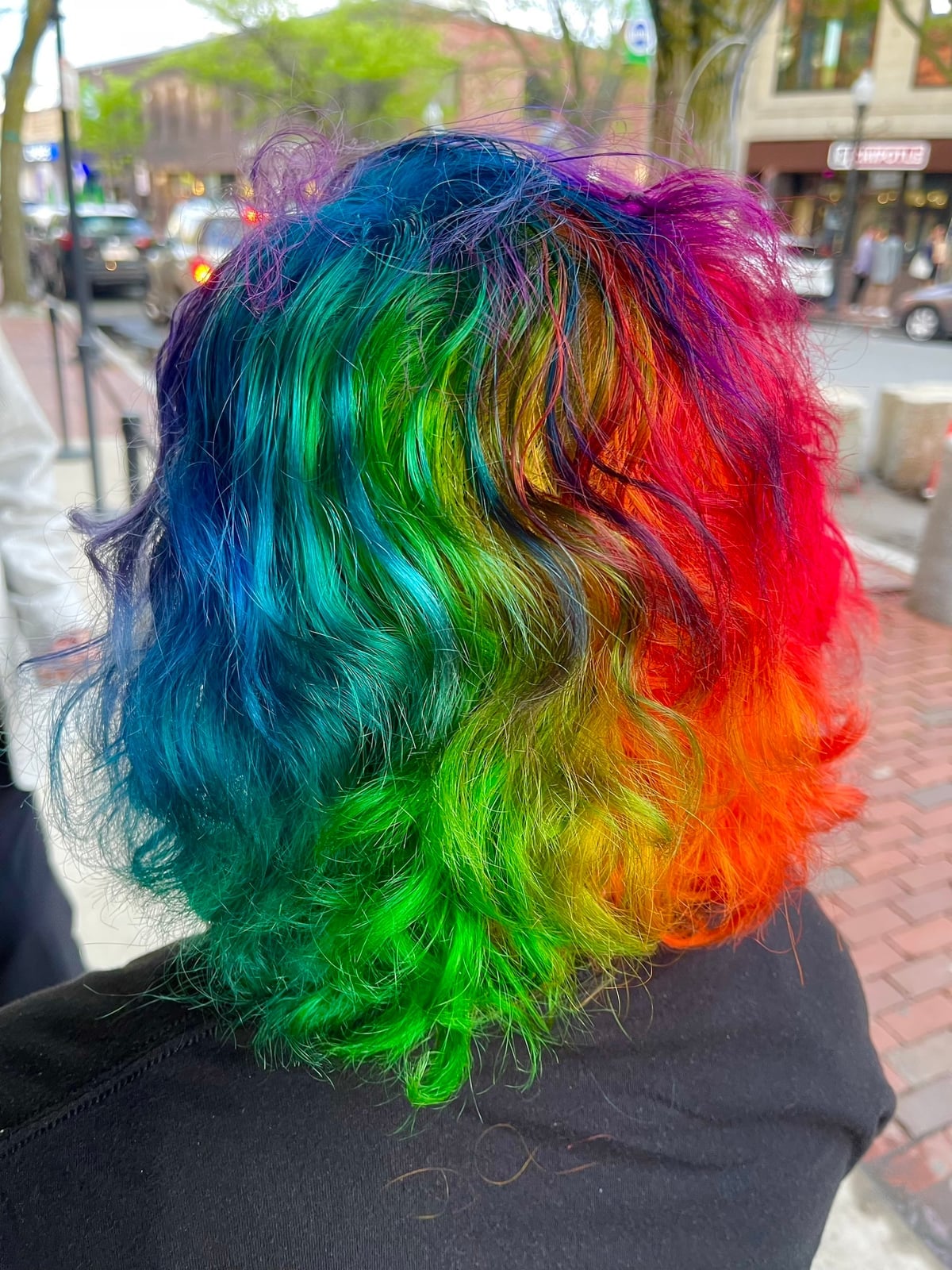
A full rainbow on a shoulder-length shag with choppy bangs is a technical puzzle. Blue, green, yellow, orange, red, and purple need to be placed so they form a clear spectrum, not a muddle, and the thick wavy texture helps by giving each color its own wave to sit on. Ask your colorist for: shoulder length shag cut, choppy bangs, full rainbow color. The shag cut adds layers that separate the colors further, keeping the rainbow in distinct sections. This is a salon-only project, applying six distinct tones through thick wavy hair at home usually ends in a single brownish swirl. The back view here shows the color placement clearly, which is exactly what you want to discuss with your colorist before they start sectioning.
Final Thoughts
When choosing a color technique, match the application to your hair’s natural texture and density. Fine hair benefits from soft, blended highlights that add dimension without overwhelming the strand, while thick hair can support bolder, more saturated color placements. Schedule color touch-ups every 6-10 weeks, depending on the technique and color vibrancy.
- Schedule color touch-ups every 6-10 weeks, depending on the technique and color vibrancy.
- Use color-safe shampoos and conditioners to preserve hue and prevent fading.
- Incorporate a weekly deep conditioning treatment to maintain hair health.
- Minimize heat styling to prevent color degradation and damage.
Bold color is an art form; choose wisely and enjoy the transformation.

