
4b texture asks for a cut that respects the coil and a styling approach that works with it, not against it. The current shift is toward glossy, defined shapes that let natural volume do the talking, with lived-in color and soft layers replacing rigid lines.
These 20 4b hairstyles run from five-minute air-dried looks to salon-level braided updos, covering every length from a short tapered cut to mid-back curls. The collection solves the usual annoyances: a fringe that refuses to sit, defined curls that lose shape by midday, and color that announces its grow-out line at week three. Whether your hair is fine, dense, or heat-trained, you will find a workable option here.
Glossy Collarbone Length Defined Curls
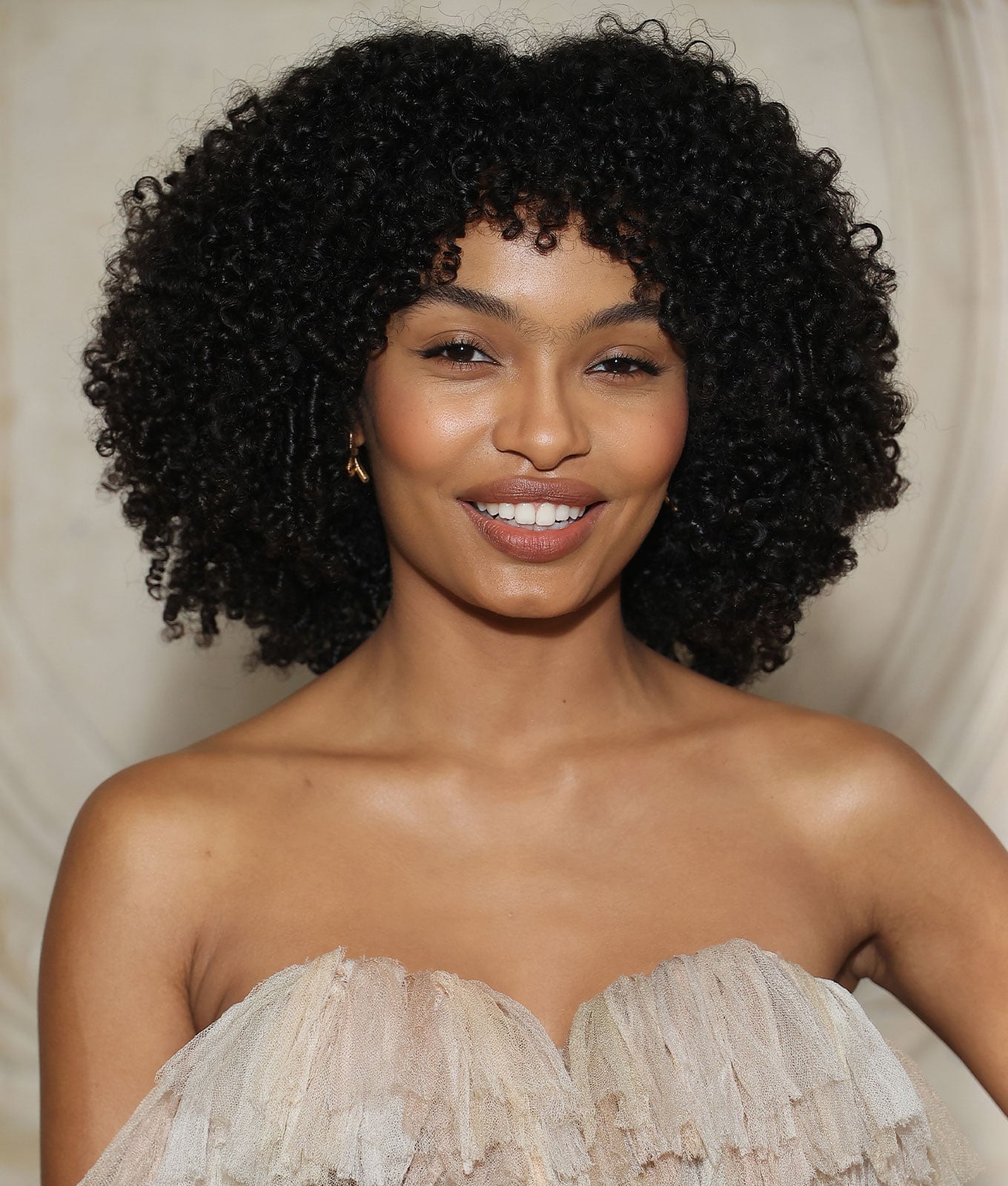
Collarbone length is a sweet spot for thick 4b curls: long enough to show off the pattern, short enough that the weight doesn’t pull the definition out. The middle part and glossy finish here rely on consistent curl cream application from root to end, then air drying or diffusing. Ask your stylist for collarbone length natural curls, middle part. This cut suits thick, curly hair types that start at the collarbone; the length below the chin helps elongate a round face. A trim every eight to ten weeks keeps the ends from looking sparse.
Voluminous Shoulder Length Curly Blowout
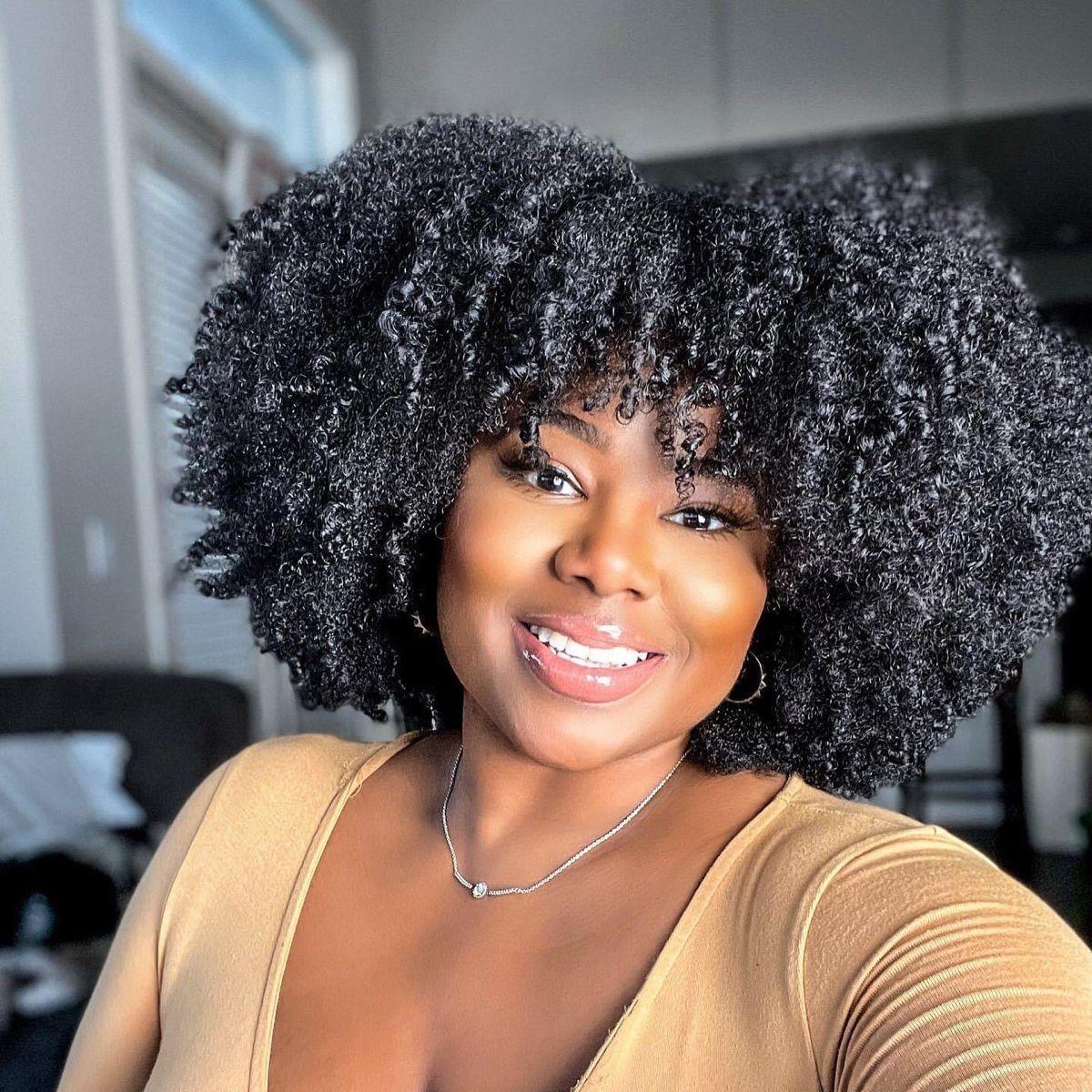
What creates this much lift without heat damage? A blowout on 4b hair starts with a good layered cut that removes bulk, not length. The middle part and soft face-framing curls shown here can be achieved at home with a large barrel brush and medium heat, though a salon blowout will hold longer. Ask your stylist for a shoulder length curly blowout with soft face-framing curls. The shoulder length works best for thick, curly hair that tends to shrink up, and a middle part balances wider faces. DIY the style with a heat protectant and some patience, or book a pro for special events.
Air Dried Shoulder Length Defined 4b Curls
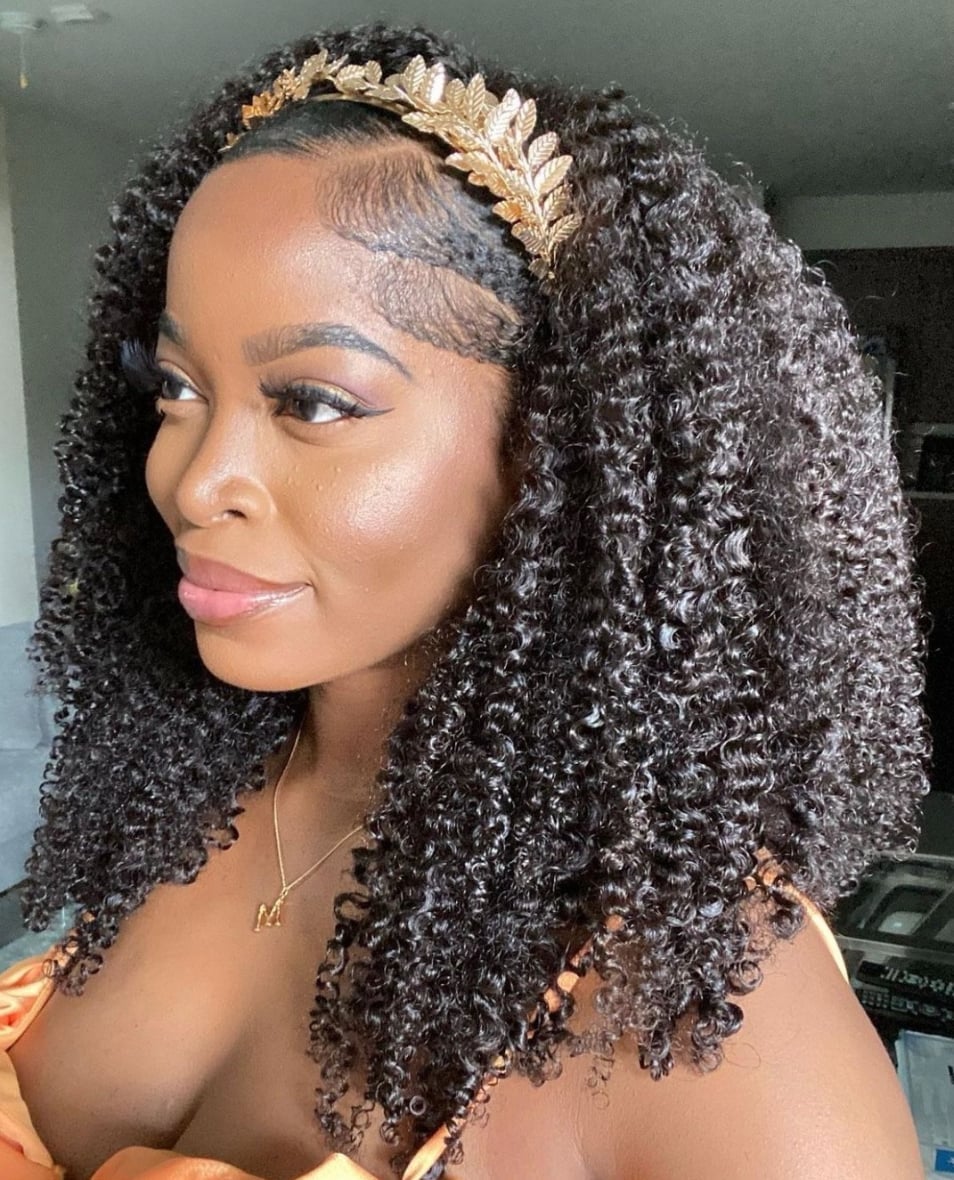
Air drying 4b hair is less about neglect and more about the product order. A defining cream followed by a light gel, applied to soaking wet hair, locks the curl clumps in place as they dry. The result is this shoulder-length shape with a middle part and no heat. Ask your stylist for shoulder length air-dried 4b curls, natural texture. A trim every ten weeks prevents split ends from traveling up the curl. The style holds best on thick, coily textures that have enough weight to stay defined without crunch.
Mid-Back Loose Defined Curls
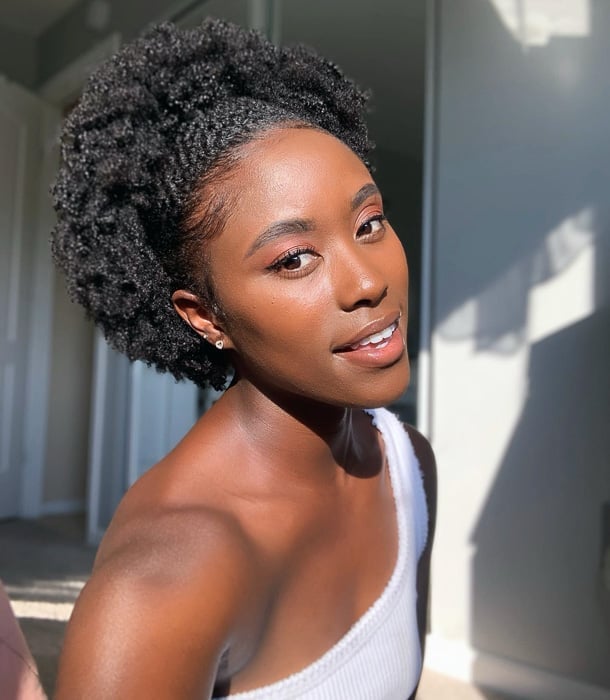
The trick to loose, defined curls at mid-back length is precision layering, not just length. A stylist carves out interior layers so the curl pattern opens up instead of clumping into heavy ropes. The middle part keeps the volume evenly distributed on both sides. Ask your stylist for mid-back loose defined curls, natural gloss. This technique suits thick, curly hair that reaches mid-back; the layers prevent the hair from looking triangular. Because the shaping is specific, this is a salon-level investment in both time and skill. The payoff is a shape that moves like one unit rather than separate sections.
Mid-Back Wavy Blowout With Highlights
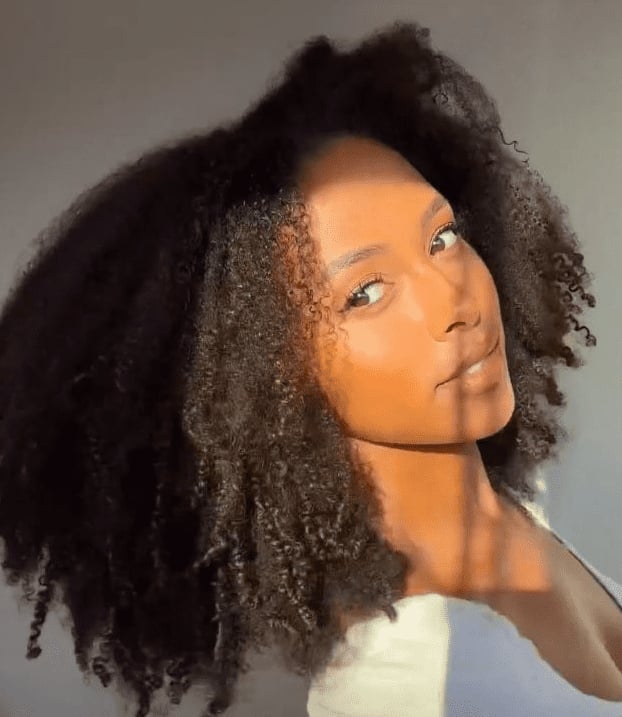
A wavy blowout at mid-back gives you the body of a full set of curls with less shrinkage. The subtle lighter highlights break up the dark brown base, so each wave registers as a separate piece rather than one solid block. Compare this to a solid color blowout, which can look flat at this length. Ask your colorist for mid-back wavy blowout, subtle highlights. The drawback is the toning schedule: highlights need a gloss or toner every six to eight weeks to stay warm, and the blowout itself requires a heat protectant each time. Thick, wavy hair with face-framing layers softens a square jaw, making this cut a good fit for that face shape.
Voluminous Shoulder Length Dark Brown Afro
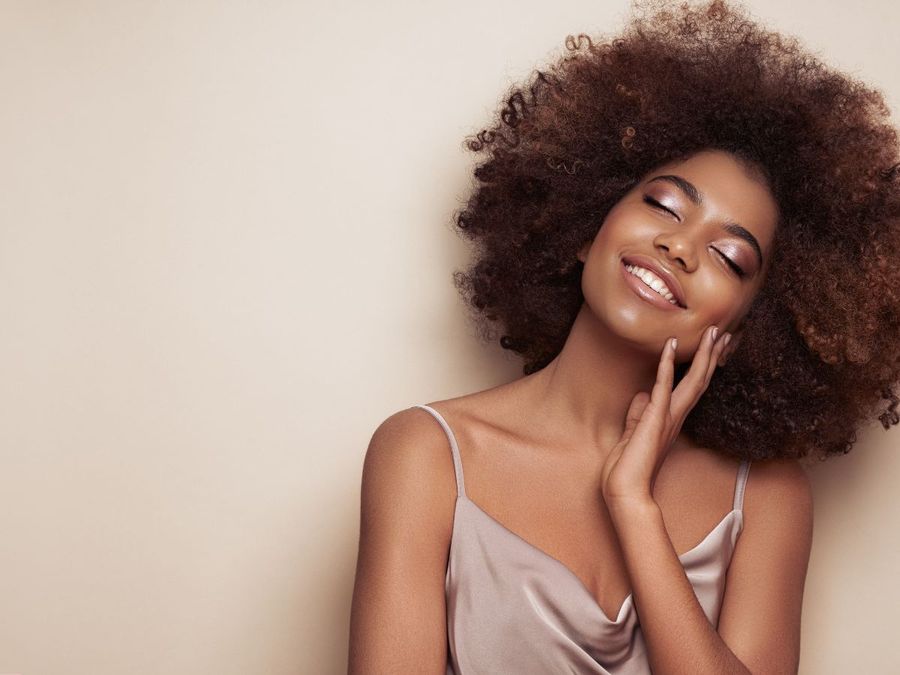
A middle part is doing quiet structural work in this shoulder length afro, splitting that dark brown volume evenly so the shape reads round instead of lopsided. Thick, coily hair is the starting requirement; finer textures will collapse under the same blowout. Oval faces carry this much width without strain, and a longer face benefits from the side volume. Ask your stylist for: shoulder length voluminous afro, blowout finish. The blowout styling lifts the coily texture into a soft, dense cloud, and a pick run through the roots each morning keeps the height from settling flat. Budget for a salon visit, since the shape is built, not improvised at home.
Collarbone Length Natural Curls With Headband, Close-Up Take
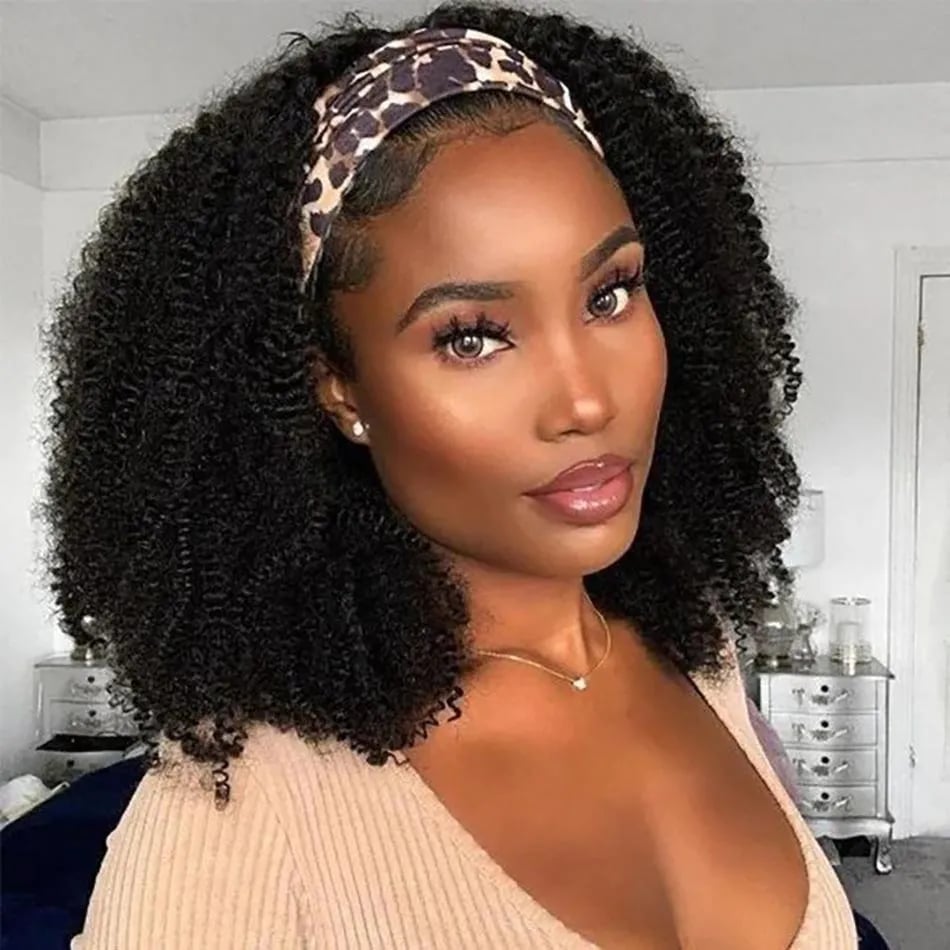
How do you make a headband look intentional instead of like you just got out of the shower? It starts with the hair underneath. These thick, curly collarbone-length black curls are naturally defined, with a middle part that keeps the volume even, and the leopard-print headband sits just behind the hairline. Ask your stylist for: collarbone length natural curls with a statement headband. The key is layering the cut so each curl clump has room to form without tangling into its neighbor. Apply a satin headband over dry, styled hair to avoid flattening the root. A trim every eight to ten weeks keeps the ends from splitting, which preserves the definition.
Chin Length Air Dried Natural Curls
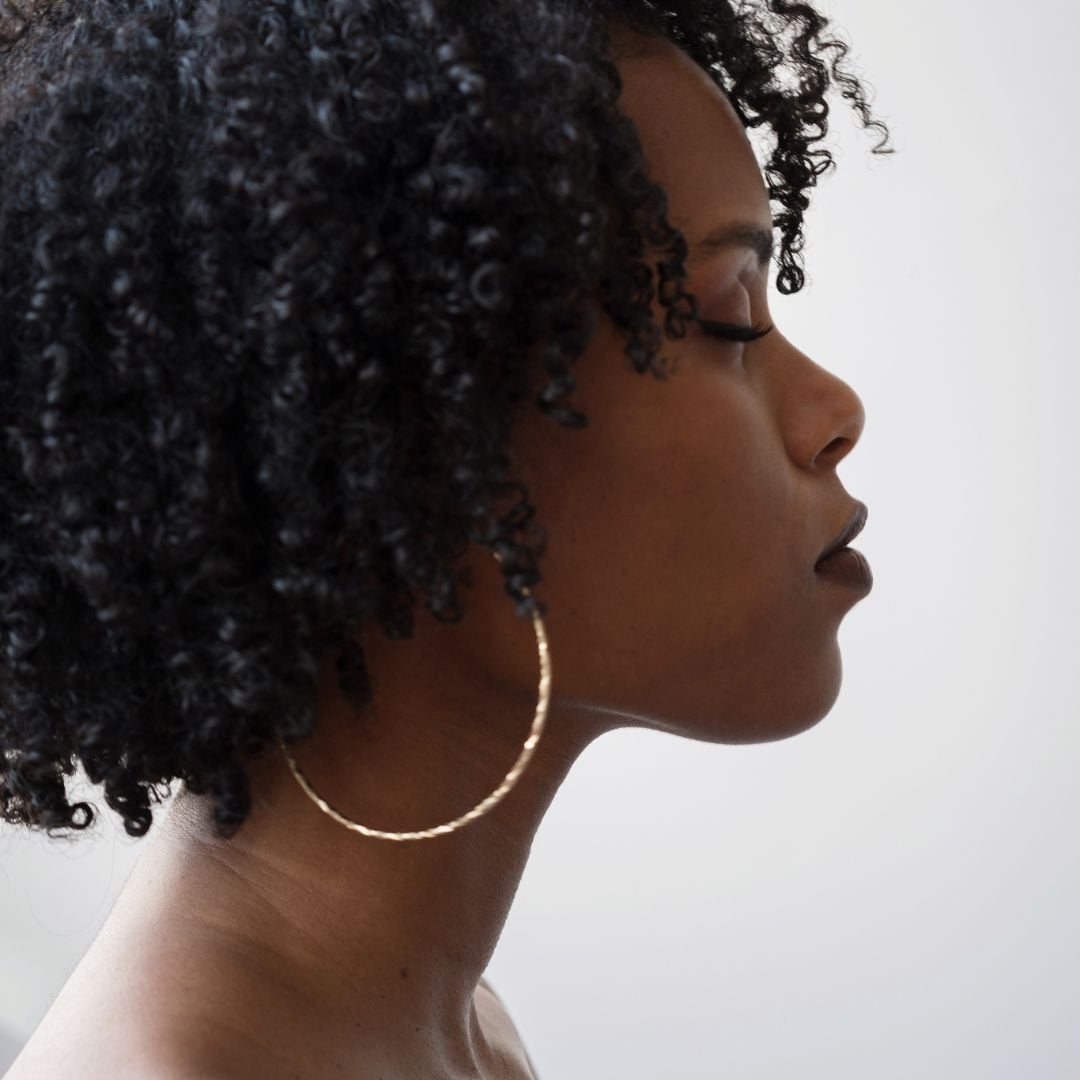
Chin length is the least forgiving curly length, because every layer shows and shrinkage eats an inch without warning. This cut keeps thick black curls at the jaw with a middle part, and the air dried finish means the definition has to come from the cut itself. Ask your stylist for: chin length air-dried natural curls. At home, a diffuser on low heat sets the curl pattern without the frizz a rough towel causes. Expect a trim every six to eight weeks; past that, the shape sags at the sides and the ends frizz first.
Collarbone Length Defined Curls Side View
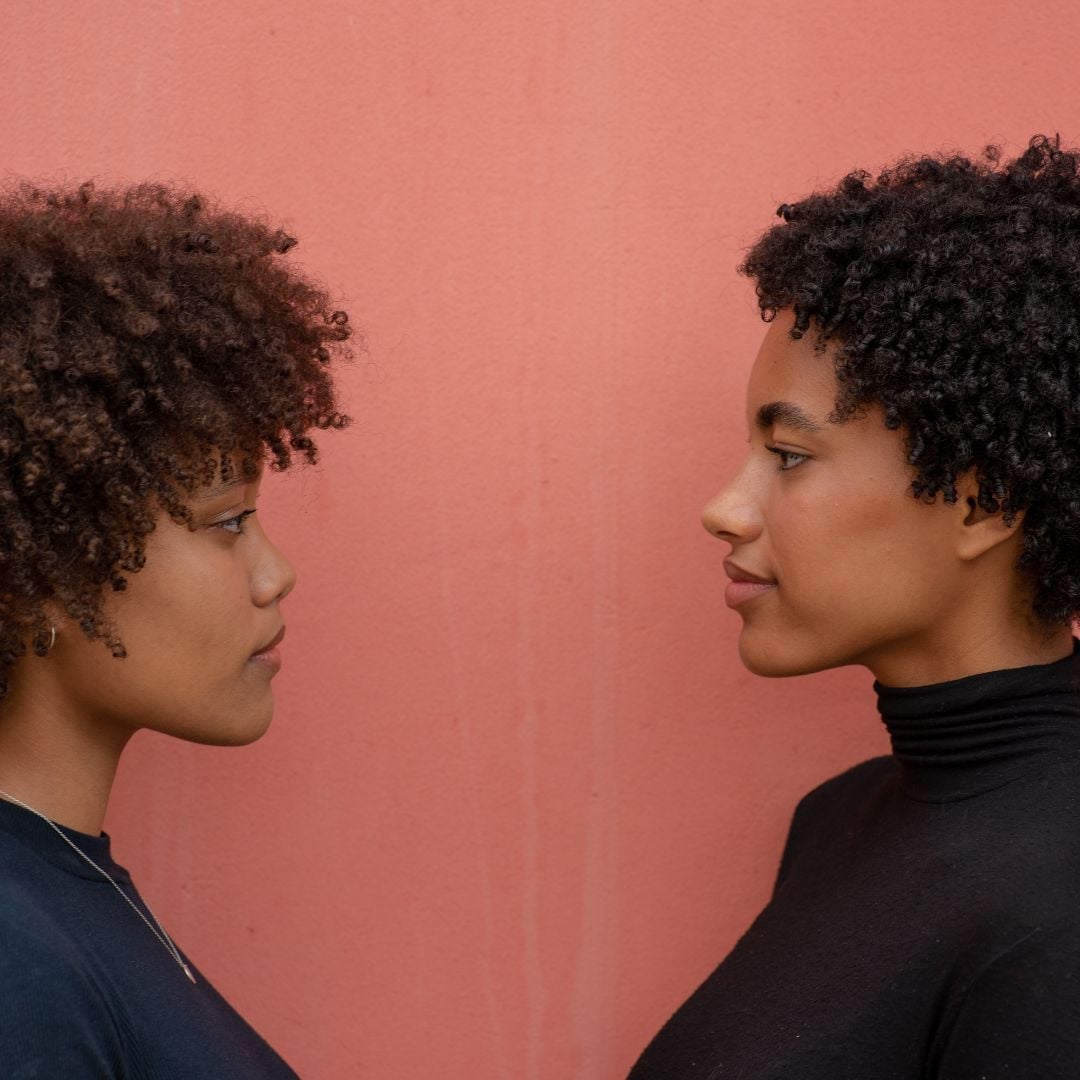
Collarbone length hits a useful mark in transitional weather: enough length to pull back when the wind turns, short enough that humidity does not drag the curl out by afternoon. These black curls are layered, air dried, and parted in the middle, with the definition holding through the mid-lengths rather than just at the ends. Ask your stylist for: collarbone length defined curls, middle part. The middle part suits most faces and keeps the shape symmetrical from any angle. For spring and early fall, this is the length that works for a wedding, a workday and a weekend without restyling between them. A leave-in on damp hair and a twist through each section before drying does the definition work; a trim every eight to ten weeks keeps the line clean.
Shoulder Length Defined Curls Blowout
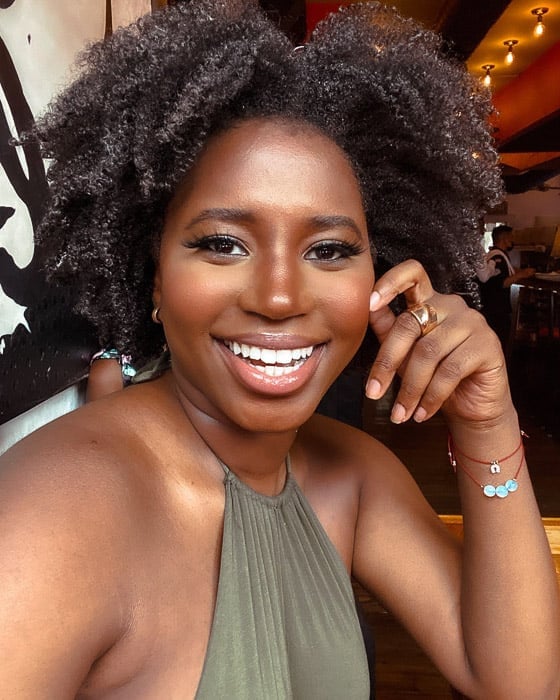
Keep the diffuser on medium heat and stop the moment the curls set: that is the rule that separates a defined blowout from a stiff one. Over-drying is the usual mistake with shoulder length curly hair, and it leaves the ends brittle while the roots still hold water. Ask your stylist for: shoulder length defined curls blowout, soft face-framing. The layers here are cut so the black curls fall forward around the face and do not sit in one block. A middle part keeps the volume balanced on both sides. The drawback is time: a full blowout on thick hair runs long, and a water-and-leave-in refresh between wash days only stretches it so far.
Shoulder Length High Ponytail Blowout
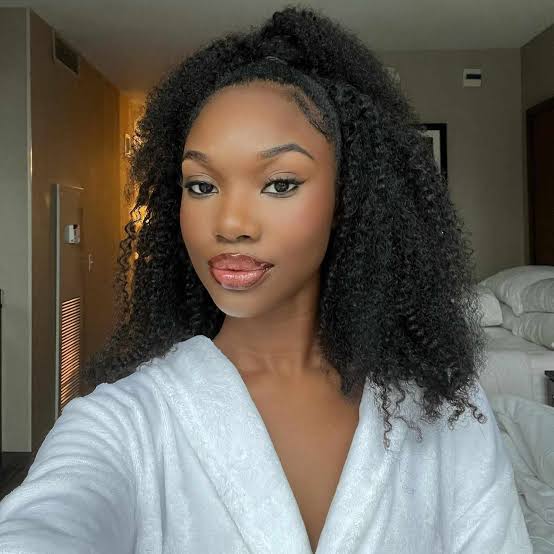
How do you keep a high ponytail from deflating an hour after you leave the house? The answer here is a salon-level blowout that builds volume at the crown before the hair is pulled back. Thick, curly black hair at shoulder length gets a middle part, then the front sections are blown smooth and secured into a high ponytail, leaving a few face-framing pieces loose.
Ask your stylist for: shoulder length high ponytail, face-framing pieces. This is not a DIY look. The blowout requires a round brush and a concentrator nozzle, plus a strong hold hairspray to keep the base from slipping. A boar bristle brush smooths the surface without pulling out curl. The ponytail holds for a full day if the hair was properly dried first, and the style works for both everyday errands and active occasions. Trims every eight weeks keep the length even.
Defined Coily Curls With Side Parting
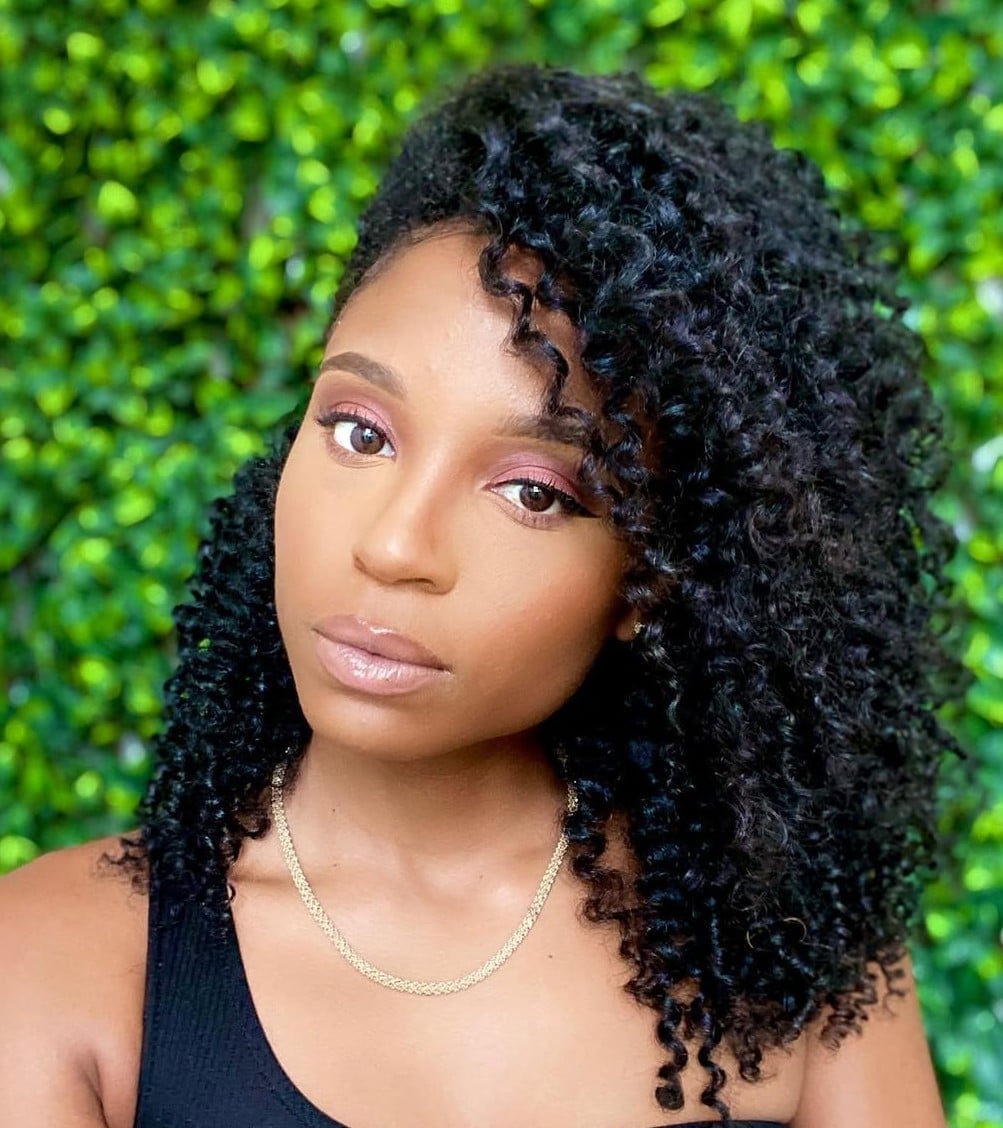
The side parting drives this design. Moving the part from center to one side changes how volume sits, with more weight and shape on one side and a flatter finish on the other. Shoulder-length, black coily hair is cut with short layers so the curls stack instead of stretching. Ask your stylist for: shoulder length defined coily curls, side parting. To get close to this at home, apply a curl-defining cream to damp hair and scrunch upward, then either air dry or use a diffuser on low heat. The cream and the natural coil provide the hold, so gels that harden are not needed. A trim every eight to ten weeks keeps the layers from growing into a wedge.
Shoulder Length Braids and Twists With Accessories
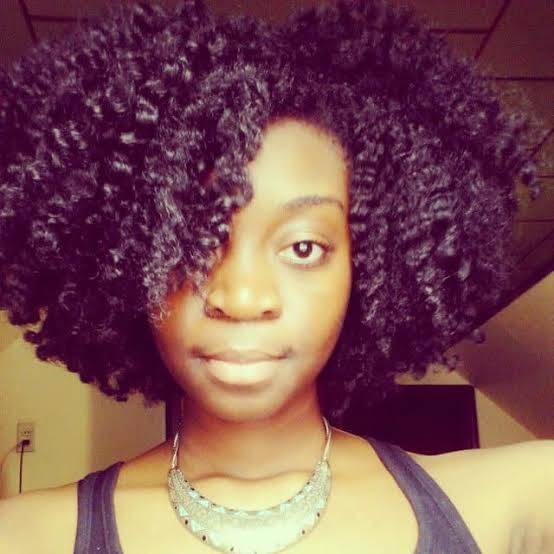
The gold accessories are the anchor here, but the braids and twists underneath are doing the real work. Shoulder-length, thick coily hair with warm brown undertones is sectioned into a middle part and then braided and twisted into a pattern that holds the decorative gold pieces in place. Ask your stylist for: shoulder length braids and twists, with gold accessories. This is a salon staple for special occasions, but it also works as an everyday protective style if you commit to the upkeep. The season matters: these braids last longer in cooler weather when the scalp sweats less. Re-braiding every four to six weeks is standard, and the scalp needs regular moisturizing to prevent itchiness between sessions.
Chin Length Afro With Geometric Braids
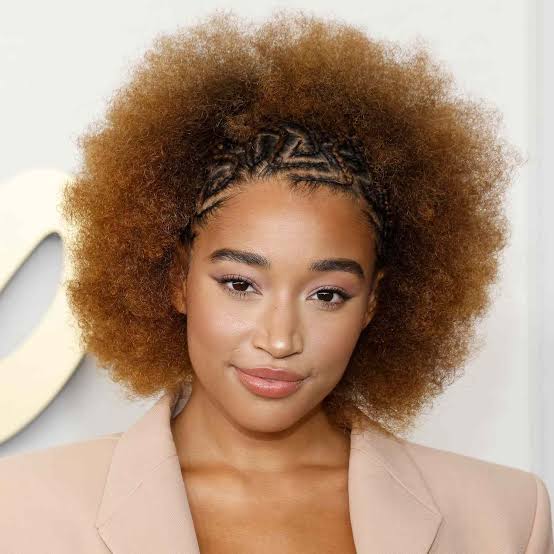
Compare this to a plain chin-length afro: the geometric braids add a precision that natural styling alone cannot achieve. Thick, curly brown hair is shaped into a full afro at chin length, then the front section is divided into clean, straight braids that create a sharp contrast against the soft texture. Ask your stylist for: chin length afro with geometric front braids. The drawback is the time investment: those straight lines require a steady hand and about two hours of salon time. The braids hold for roughly two weeks before the edges start to blur, and the afro itself needs a trim every six weeks to keep the shape round and even.
Collarbone Length Wavy Hair With Balayage
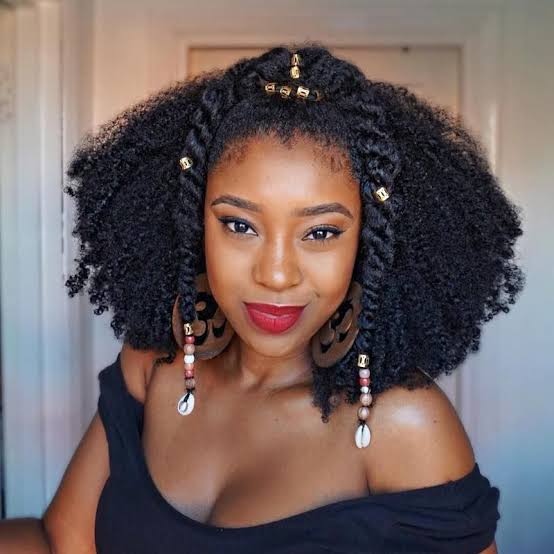
How does balayage behave on wavy hair that is not fully straight and not fully curly? It needs careful placement so the lighter pieces land where the wave bends, not where it breaks. Thick, dark brown hair at collarbone length has soft, air-dried waves, with face-framing layers and curtain bangs that sweep outward. Ask your colorist for: collarbone length wavy hair, balayage, curtain bangs. The hand-painted sections start a few inches from the root, which means the grow-out is soft for about ten weeks before you need a toner refresh. The waves are best left to air dry with a curl-enhancing cream; a diffuser speeds things up without destroying the pattern. The bangs need a trim every four to six weeks to stay in the curtain shape.
Long Black Hair Updo With Braided Crown
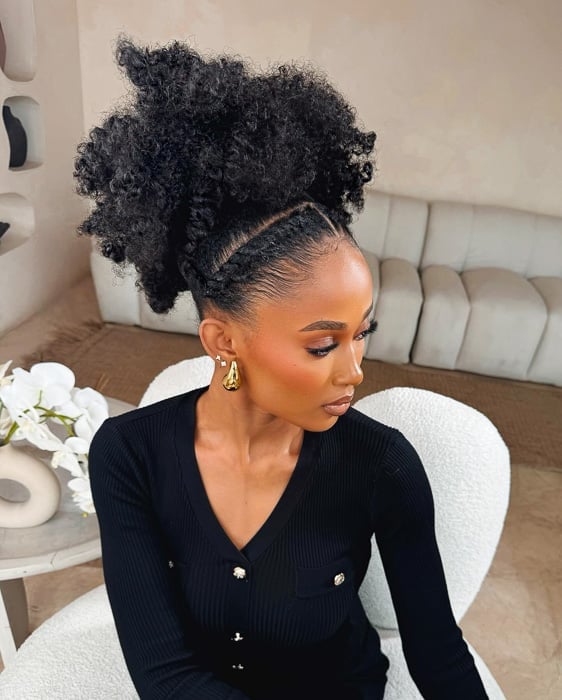
The braided crown here is not a thin overlay. It is a substantial band of intricate plaiting that anchors the whole structure, with the rest of the thick, coily black hair pulled into a voluminous puff at the back. This long hair updo works best when your hair has enough density and length to hold the braids taut; finer or shorter coils will not produce the same presence. Ask your stylist for: long hair updo with braided crown and back puff. A firm-hold gel slicked along each braid section keeps the lines crisp, while bobby pins crossed in an X pattern secure the puff so it does not shift. The middle parting adds symmetry, which makes this style a solid fit for oval and heart-shaped faces.
Short Black Mohawk With Stacked Buns
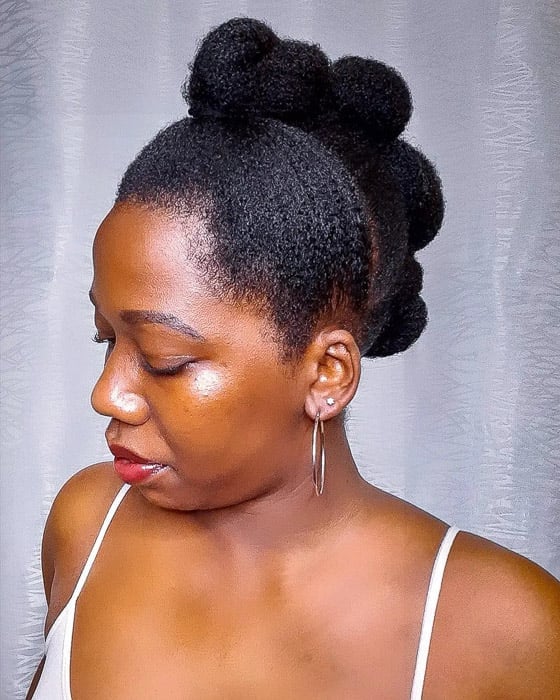
Stacked buns running down the center of a short mohawk create a sculptural line that relies entirely on precision. The thick, coily black hair is shaped into a middle parted front and a vertical row of buns at the back, shown from the side. Ask your stylist for: short mohawk with stacked buns. This is a salon-only project: the buns need even tension to stay upright, and the symmetry is not something you can eyeball at home. The real drawback is maintenance. The fade requires a barber visit every two to three weeks, and the buns themselves demand a strong hold gel and periodic re-pinning to keep their shape.
Textured Top Short Cut With Faded Sides
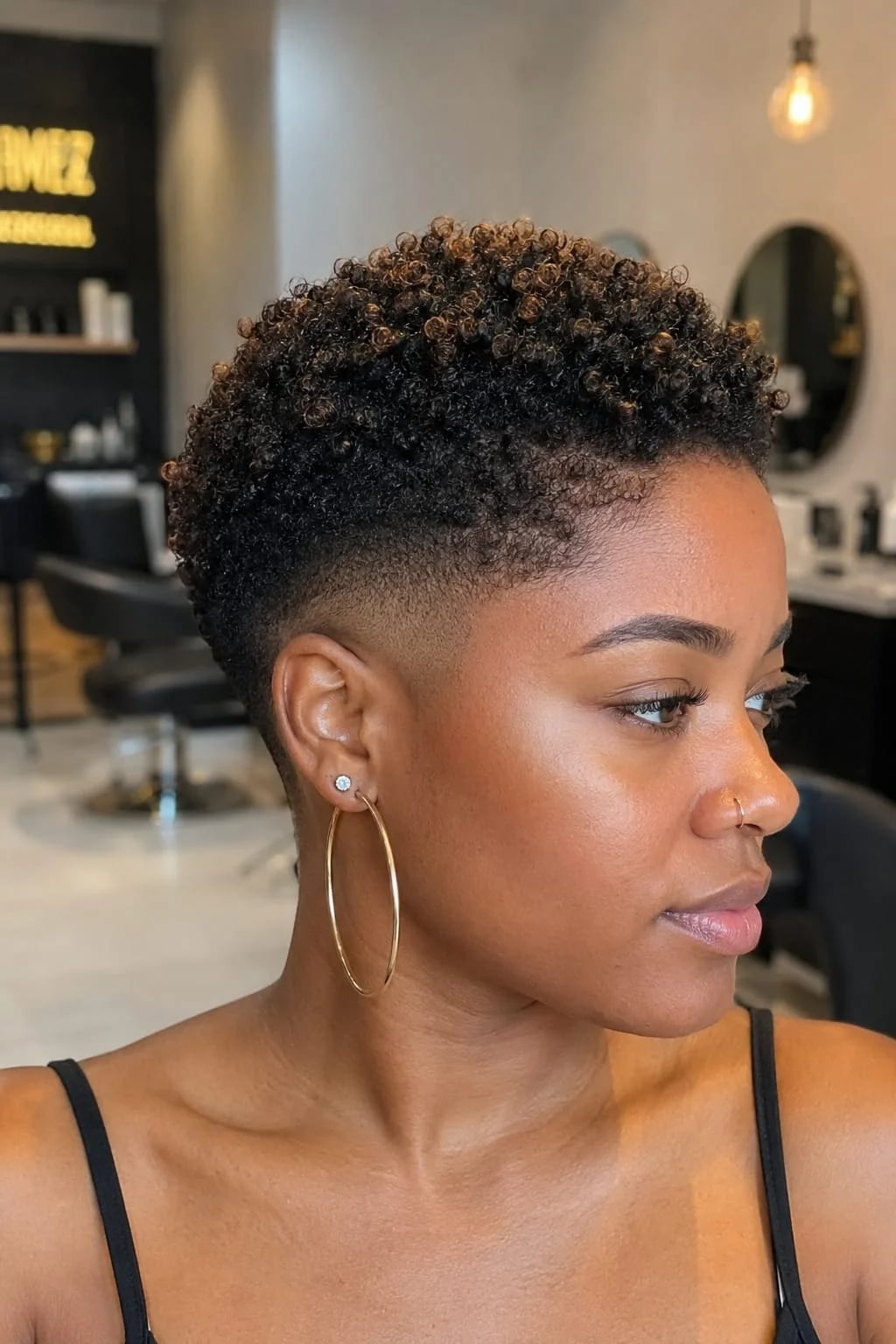
When the temperature climbs, a short cut with tapered sides and a textured top becomes the low-fuss option that still looks deliberate. The tightly coiled dark brown hair on top is styled with a side parting and subtle lighter highlights that read as dimension, not contrast. Ask your stylist for: short cut with textured top and faded sides. A pomade or wax applied to damp hair and worked through the top coils gives definition without crunch. The fade needs a touch-up every two to three weeks to keep the transition clean, so factor that into your barber schedule.
Voluminous Mid-Back Air Dried Afro
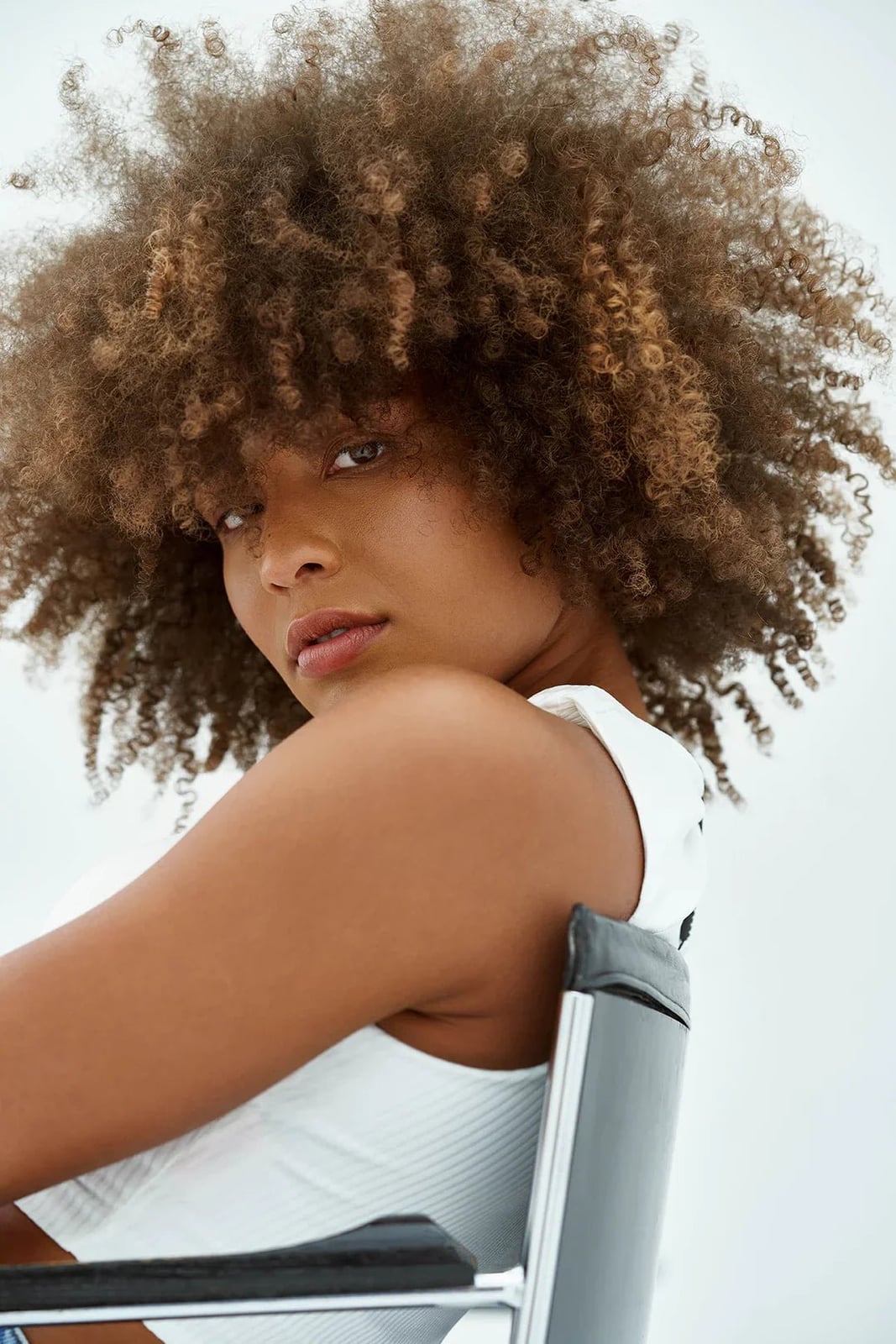
A voluminous afro that reaches mid-back does not happen by accident. It starts with a cut that respects the natural shape of 4b curls. The thick, dark brown hair is left air-dried, with no parting visible, and the density creates a rounded silhouette that balances oval faces well. Ask your stylist for: mid-back voluminous air-dried afro. To keep the shape from collapsing, use a wide-tooth comb or pick only when the hair is fully dry, and work from the ends upward. A moisturizing spray applied every other morning prevents the curl from feeling dry, which is the main upkeep concern at this length.
Glossy Shoulder Length Defined Curls Blowout With A Woman With Thick
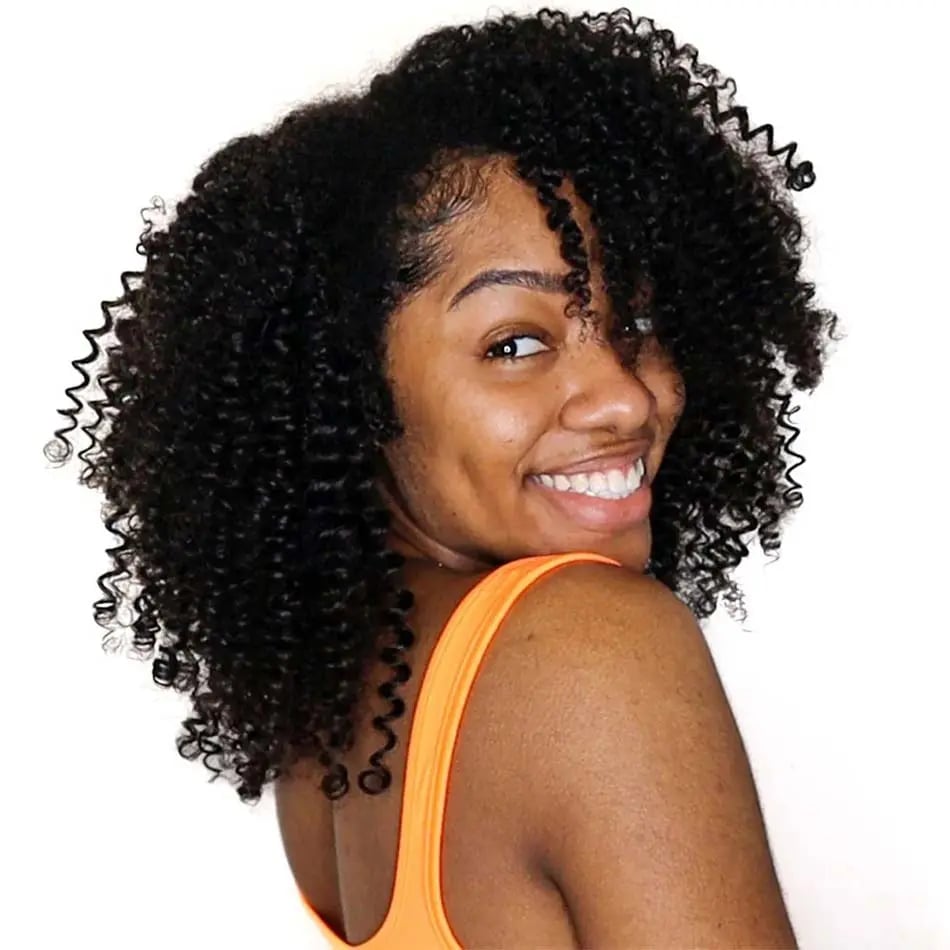
A glossy blowout on shoulder-length thick curly black hair delivers definition without sacrificing volume, but the technique matters. The middle part and well-defined coils require a diffuser on medium heat and a shine serum applied to damp hair before drying. Ask your stylist for: shoulder length glossy defined curls blowout. The drawback is that this is a salon-level finish: getting the same even gloss and frizz-free hold at home demands a concentrated dryer and practice. A trim every eight to ten weeks keeps the ends from catching, which preserves the curl pattern.
Final Thoughts
For low-maintenance styling, stick with air-dried shapes and a trim every ten to twelve weeks to keep the line clean. For intricate braids or pinup updos, a stylist who specializes in natural hair saves you the frustration of a DIY detour.
- Trim split ends every 10-12 weeks to maintain shape and health.
- Deep condition weekly to retain moisture and enhance curl definition.
- Use satin or silk scarves or pillowcases at night to protect coils.
- Refresh styled curls with a water-based leave-in conditioner daily.
Embrace your 4b texture with confidence and creativity.

